Senior Viewpoint: Heighten Your Health Span at Your Local Senior Center, Kevin McGrath

senior fitness, increasing your health span, healthy senior lifestyle, U.P. holistic business, U.P. holistic wellness publication

An old college friend recently told me he was shocked to see I had written an article for Health & Happiness’s Senior Viewpoint column. But after we spoke just a short while longer, he acknowledged that we both are now in our sixties.

Aging, after all, is something that naturally occurs over time. Our minds often are reluctant to accept the changes in our bodies until something happens that brings the aging process to the forefront. Aging takes place in our bodies every day of our life, whether we are aware of it or not.
According to the Mayo Clinic, staying healthy for the maximum number of years and keeping age-related diseases such as osteoarthritis, diabetes, heart disease, and Alzheimer’s to a minimum is key to a full and rich long life.

This full and rich long life is considered your health span. Your health span differs from your life span, which refers only to how long you live. Health span refers to qualify of life as opposed to duration of life.

The old view of aging, as Dr. David Sinclair of Harvard Medical School puts it, was that our bodies became like an old car that just starts to wear out and break down. The new view he describes is that our bodies are much more complicated than a car. Experiments and research have now shown we have genes call surtuins, a promising development regarding aging.

These surtuin genes can make you fitter with proper exercise and diet. They also occur naturally in the body. More research still needs to be done on surtuins, but medical researchers are excited about their early results. Activating and enhancing these genes may be the health span-promoting way of the future.

The basic key to healthy aging is a healthy lifestyle.

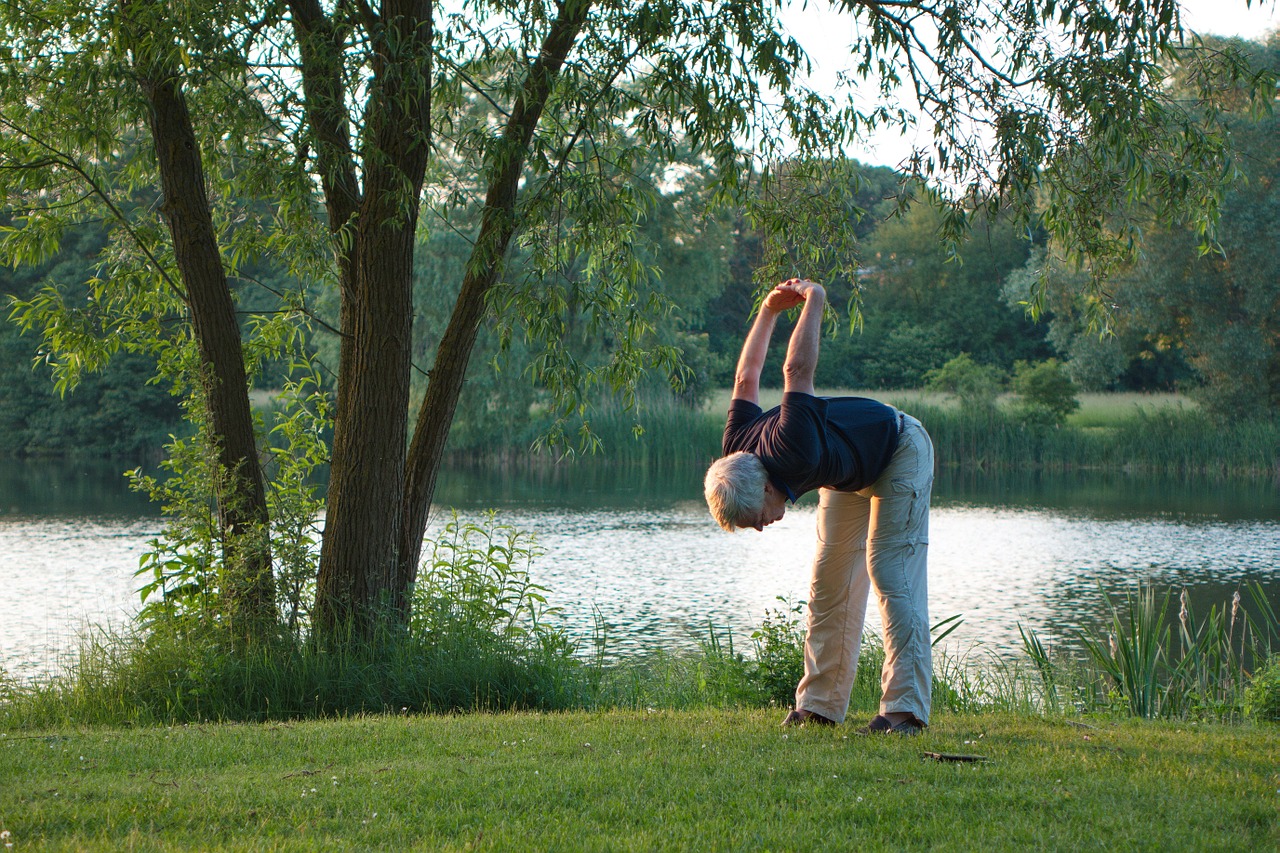
Eating a variety of nutritious foods, practicing portion control, and including physical activity in your daily routine can go a long way toward healthy aging. The Department of Health and Human Services recommends that healthy adults include aerobic activity and strength training in their fitness plans.

The Mayo Clinic says starting a fitness program may be one of the best things you can do for your health. After all, physical activity can reduce your risk of chronic disease, improve your balance and coordination, help you lose weight, and even boost your self-esteem. Plus, these benefits typically can be achieved regardless of your age, gender, or current fitness level.

Finding the fitness program that best suits your needs is essential. In my own case, I always was very active practicing Vinyasa yoga, playing in basketball and volleyball leagues, as well as participating in Zumba classes. I needed to find a way to keep the intensity up without overdoing it. Injuries can create a major setback, so it’s important to prioritize avoiding them.

If you’re in the area, a good place to start is the Marquette Senior Center, where they have a slew of options. Maureen McFadden, the center’s manager, can steer you in the right direction depending on your abilities and desires.

I’ve attended the Hi-Low Group Fitness class now for just over a year where instructors Paula, Lynn, Sandy, and Diane alternate higher impact aerobic routines with other cardio routines, mixing in weight training, other floor exercises, and stretching for an excellent hour-long workout. The class is held three times a week in Marquette’s Baraga Gym, which offers plenty of space for the twenty to forty individuals who attend regularly.
senior fitness, increasing your health span, healthy senior lifestyle, U.P. holistic business, U.P. holistic wellness publication
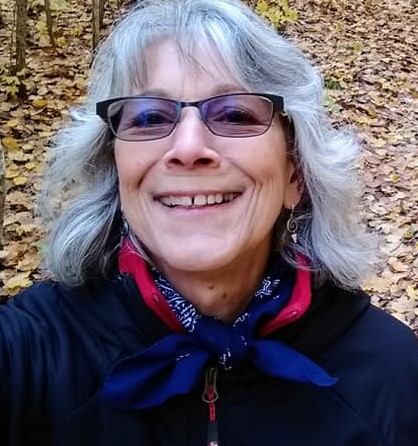
Kay Mitchell

Regular Kay Mitchell, who’s been attending these classes for about ten years, keeps coming back because she likes the “great high-intensity workout.” She says the instructors are awesome and make exercise fun. I wholeheartedly agree.

Another reason Kay continues to attend week in and week out is the friendships she has developed with others in the group. Anyone who has ever been part of a team sport, military squad, or any group that works hard to achieve a goal being physically active can understand the sense of camaraderie that develops when people share a common purpose.

Another important factor to consider is brain aging. Brain aging can be traumatic not just for the individual but also his/her family and loved ones. Alzheimer’s and other forms of dementia have become the sixth leading cause of death in the United States.

Dr. Lewis Lipsitz of Harvard Medical School claims reducing cardiovascular risk factors through mental and physical exercises is key to reduce or slow brain aging. Use it or lose it. Oftentimes as we grow older, we tend to slow down, but all the latest studies show this is the time to increase your activities in those ways that work for you. The priority has now become, as Dr. Sinclair puts it, “keeping people younger for longer as opposed to keeping people older for longer.”

Most people don’t want to live longer if they can’t do much of anything. If our quality of life is good and we can live longer too, that’s icing on the cake. So get active if you aren’t already. And a good place to start is your local Senior Center.

Kevin McGrath can be found step touching on the grape vine of life.

Excerpted from the Spring 2022 issue of Health & Happiness U.P. Magazine. Copyright 2022, Empowering Lightworks, LLC. All rights reserved.
Creative Inspiration: Overcoming Limbo with Courageous Creativity, Roslyn Elena McGrath

creativity, tips, therapeutic creativity, holistic wellness, U.P. holistic business, U.P. holistic wellness publication, creative inspiration

As we move into U.P. spring, it’s hard to know just how gradual this movement may be, how long a gray, muddied limbo between snowy wonders and warm blossoming may go on, and how many restrictions, challenges, and losses we may need to weather through this time. These possibilities alone might nudge us to descend into the doldrums.

But we don’t have to feel diminished by any of this. We can choose to expand our world by exercising our innate creative capacities. In my years teaching visual art in public schools, I saw over and over again how by a certain age, most kids would decide they were good at an art or not. That inner critic can loom so large that many who did not see themselves as “the artist,” “the singer,” “the musician,” etc., might never participate willingly in such activities again.

Do you have to excel at fishing to go fish? At cross-country skiing to go ski? Creativity is part of human nature, and much-needed to come home to ourselves, reduce stress, and increase self-expression and novelty. And if anything is going to combat the stay-at-home same-old same-olds, it’s novelty!

So no matter how rusty, shoddy, or splendid you may believe your creative abilities are, you can take some time this season, even for a few minutes at a time, to juice up your life through your creativity.

If you feel at a complete loss as to where to begin, check out what kinds of guided creative experiences might be available to you locally or online, and pick one that sparks your curiosity.
If you already know of something creative you enjoyed doing as a kid, consider exploring a do-able version of it that excites you now.

If you create regularly but feel you’re in a bit of a slump, try a new art form.

It’s likely to take you in a new direction and/or spice up your old one.

If any of these suggestions make you nervous, that might just indicate you’re on the right track! As artist Henri Matisse once said, “Creativity takes courage.”

If an act is truly creative, it’s a step into the unknown, so there will be plenty of opportunities for your inner critic or inner curmudgeon to try to hold you back. But you can decide which part of you is in charge, and go for it anyway, if only for the pure daring of it!

So, here are some solid do’s and don’ts to help you along the way:

DO create a regular routine of creative time. Don’t wait for inspiration to descend from on high. While it‘s wonderful when that happens, research shows habitual creative time not only increases how much you create, but also helps you generate new creative ideas. So if you’re not creating regularly, put it in your calendar, repeatedly, even if for short bursts of time after prepping in advance.

DONT try to critique or refine your creation at the outset. There will time for that later. The beginning is the time for the rough sketch, the raw draft, the stumbling notes. It’s the time when a field full of possibilities is being explored. Newly-born humans don’t walk, and newly-started projects don’t usually seem like masterpieces. Nurture this tender stage. And if you choose to share this part of your process, only do so with those you can trust one-hundred percent to cheer you on.

DO open up to new experiences. They can trigger new creativity, even if seemingly unrelated.

DO your best to open up your senses more fully to what’s around you. Listen, look, smell, feel, sense with greater attention, and you may find new inspiration even in familiar surroundings, as well as feel more fully present and alive.

DO shake things up if you get stuck–create in a new or even unusual location, do a repetitive non-creative task, or go for a walk. In fact, the connection between walking and creativity has been confirmed by research. According to a 2014 Stanford University Study, a person’s creative output goes up an average of 60% when walking, whether indoors or out. (And a little personal confirmation—ideas for this article came to me while out on a walk.)

DON’T become overwhelmed by a big idea or project you may have come up with. Chunk it down into manageable steps, and even micro steps if needed.

DO remember that everything man-made once existed in imagination only, and honor that magical capacity within yourself and others.

DON’T listen to the naysayers in your head or your life. Be bold, and put your attention on your freedom to choose to create instead.

DO remember that creativity includes more than fine art. It can also be how you put together a meal, a gift, a room, a schedule, resolve a challenge….

DON’T use the truism above to justify shying away from a creative activity that intrigues you.

DO hang around with other creative people. Creativity can be contagious!

DON’T imagine what “others” might think or say about your creation. It’s none of your business anyway. Your job is to nourish your creative faculties.

DO get enough sleep. The brain requires adequate sleep to process ideas and to function well. And the rest of you needs sleep to be able to carry out your creative ideas effectively.

Roslyn Elena McGrath supports fulfilling your innate potential through soul and intuition-based sessions, classes, and products at EmpoweringLightworks.com, and publishing Health & Happiness U.P. Magazine.

Excerpted from the Spring 2022 issue of Health & Happiness U.P. Magazine. Copyright 2022, Empowering Lightworks, LLC. All rights reserved.

Green Living: Finding Carbon Capture Champions, Steve Waller

Identify carbon capture champions, green living, U.P. holistic wellness publication, U.P. holistic wellness

There are champion trees quietly lurking in your neighborhood and your favorite forest. You probably never noticed them. They usually hide in the background, obscured by summer leaves. You didn’t know how to see them but now, before they hide again, it’s time you find and appreciate them. Winter’s ending. Get outdoors before the leaves sprout. Take the kids with you. They can help.

I’m sure you’ve heard that trees capture carbon dioxide (CO2) from the air. Half of dry wood is pure carbon from CO2. When you see trees, you are seeing captured CO2. Trees are carbon! Ten pounds of dry wood contains 5 pounds of pure carbon from CO2 (the rest is mostly oxygen and hydrogen). The magic of chemistry changes pure black carbon to all the beautiful colors of wood. But no matter the warm woody color, 50% of dry wood, by weight, is carbon captured from atmospheric CO2. Wood floors, furniture, cabinets, even house framing, are all 50% carbon.

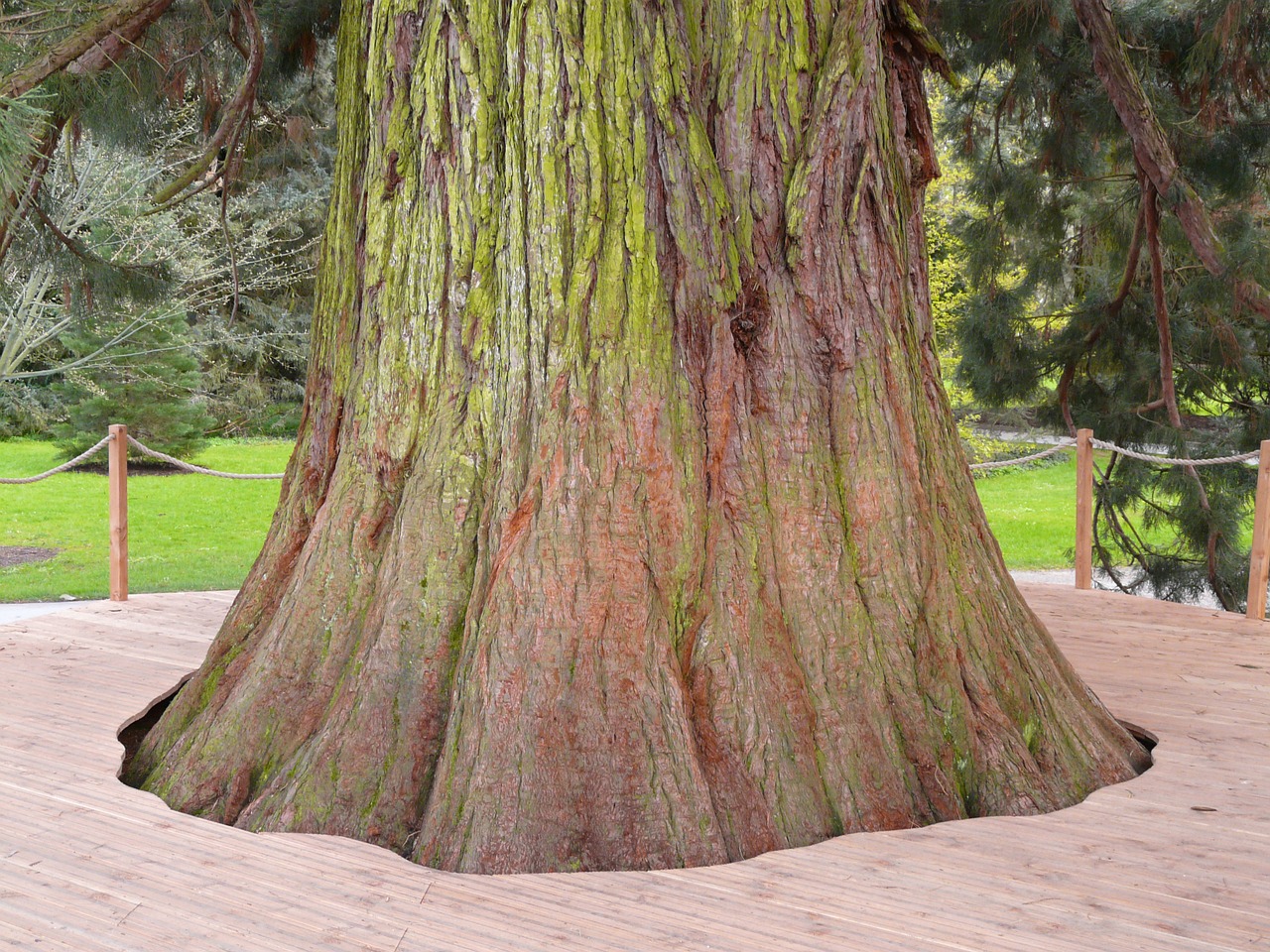
You don’t need any math, measures, botany, or a degree in silviculture. Carbon capture champions are simply the heavyweights! Find the absolute heaviest-looking trees in your neighborhood. Height or girth is less important. Total weight is what counts. Other trees may be taller, but carbon champions have mass. The absolute heaviest looking trees store the most carbon.

How much CO2 do trees remove from air?

Take the weight of a tree’s carbon and multiply it by 3.67. Example: 500 pounds of carbon (from 1,000 pounds of dry wood) times 3.67, means trees remove 1,835 pounds of CO2 for every 1,000 pounds of dry wood. A single champion tree could weigh 15,000 pounds—that’s a lot of captured CO2!

You can spot champions from a distance, hiding among average trees. Champion branches are exceptionally thick, wide, and dark, easy to see even when hiding in the shroud of wimpy, wispy, young, leafless, wanna-be trees. Kids can easily spot big bold trees. That’s why you bring kids along.

Once you’ve found a potential champion, your phone camera can record the shape, size, and GPS location. You can even add a caption, so name it! Kids can help with that too. Don’t ID it to scientific species. Give it a name that means something to you. What does it remind you of? “Big boy”? “Mother tree”? “Large Leaner”? “Uncle Fred”? “The Sentinel”? Use your imagination. Then keep looking. You’ll discover more. Which is the absolute heaviest? Your pictures can help you rank them in weight order. Compare with friends to find your local grand champion. It’s fun.

You may find that some of your heaviest trees aren’t in the woods.

Most, but not all, of the big forest trees have been logged. There are still some heavyweights hidden in protected areas, but your nearest champion could be a huge street tree in town, or an old farmyard tree that’s been growing for a century or more. Keep looking as you hike around and also as you drive your electric car. You never know when or where you’ll discover another champion.

It takes many decades to become a carbon capture champion. Recent studies found that big trees still capture carbon faster than young trees. That’s why carbon capture champions are so important for our climate future. Carbon champion trees are old but valuable, and need recognition. They capture and keep hundreds of years of CO2 out of the air. An old maple can store 300+ years of CO2.; white pine, 400 years; hemlock, 500 years; white cedars, over 1,000 years! Find the champions. Name them. Protect them. They’re helping you fight global warming.

Steve Waller’s family lives in a wind- and solar-powered home. He has been involved with conservation and energy issues since the 1970s and frequently teaches about energy. Steve can be reached at Steve@UPWallers.net.

Excerpted from the Spring 2022 issue of Health & Happiness U.P. Magazine. Copyright 2022, Empowering Lightworks, LLC. All rights reserved.