Blog

Senior Viewpoint: The Heart of the Brain—Losses & Gains

anti-aging, U.P. wellness publication, U.P. holistic health publication, U.P. health magazine, U.P. holistic health magazine, U.P. wellness magazine, holistic health in the U.P., holistic health in MI's Upper Peninsula, wellness publication in MI's Upper Peninsula, tips for seniors

Are you concerned your brain’s ability may decline as you age, or that it already has?

If so, you’re far from alone. This is one of the most common current concerns about aging.

The Cedar Tree Institute of Marquette recently presented Heart of the Brain, a four-hour workshop addressing the unique nature of individual brains, and the impact of this uniqueness on one’s everyday life. Participants gained insights into the roots of memory and problem solving at different stages of life, with practical techniques and specific practices to improve mental functioning and decision-making.

Heart of the Brain, a unique program created by Layne Kalbfleisch, M.Ed., Ph.D., is an amalgam of psychology, neurology, pediatrics, behavior modification, education, art, prayerfulness, and intuition. Kalbfleisch designed this program to help participants learn basic principles about the brain’s function and plasticity–how it adapts, remembers, creates, and imagines in childhood and across life; the difference between good and bad stress; and new skills to keep it healthy, enhance memory, and support skills and talent in the individual.

Usually aging is seen as loss.

However, that’s not necessarily true. The brain, with its principle of plasticity, over time brings a tradeoff between declarative memory (names, dates, and other straightforward facts) and non-declarative memory (recollection of how to do things automatically, such as drive, swim, bike, etc.). With repetitive structures to daily life in place, elders may bring more openness, and approach their lives more creatively.

Cedar Tree Institute Executive Director Jon Magnuson notes, “I’ve seen this with people I’ve worked with in counseling—the ability to see options one hadn’t when younger, coming to a different way to look at one’s life. In the faith community, I’ve found it’s your children and elders who are the most creative, and that those in the middle age range are more likely to have become hardened and rigid.”

Kalbfleisch’s years as an educational psychologist, cognitive neuroscientist, and educator give her a unique background to approach brain function challenges from several perspectives at once. She is the founder of 2E Consults ® LLC, and works with doctors, psychiatrists, educators, physical therapists, and other professionals to help them function as a team to solve problems and ensure support from all sides for her clients.

“Teachers, doctors, psychologists, scientists–they all live in separate universes,” Kalbfleisch said.

“I bring information from learning science into people’s lives, uncover the root of problems, and help people understand them and find ways to work on them. The evaluation processes are standard, but I use the results more holistically to target change,” she said.

Kalbfleisch studies the relationship between talent and disability, and how the human brain supports ingenuity and problem-solving throughout a lifetime.  “I work across the lifespan,” she said. “I work with young children through those suffering from age-related changes to memory.”

Kalbfleisch helps clients use their natural assets to solve problems. She looks at the client’s weaknesses and strengths in functioning, and helps them understand and change unwanted behaviors. “Natural resources can be disguised as a burden,” she said.

Here are some of Kalbfleisch’s recommendations to help optimize your own brain’s function:

Make Music 

People who have training in music and who engage in music on a regular basis are being shown to have brains that are more resistant to distraction. Don’t play an instrument? Sing! This helps your brain to integrate and exercise, powerfully impacting its abilities.

Sleep Well

Deep, REM sleep lets your brain rest, sort, and sift, providing hygiene for your brain. Have trouble sleeping?  Fit more zzzs in with a nap. Research is showing naps support better cognitive processing.
Exercise – Staying active helps keep the parts of the brain that facilitate memory from aging as fast as the rest of the brain, so find and continue the forms that work for you.

Exercise

Staying active helps keep the parts of the brain that facilitate memory from aging as fast as the rest of the brain, so find and continue the forms that work for you.

Engage Socially 

Having a social life and engaging with others supports the aging brain by protecting against inflammation and supporting the processes that allow you to grow new brain cells in response to social experiences and activities. For bonus points, talk about your feelings. This exercises your ability to empathize, a key factor in connecting with others, which in turn improves your quality of life.

Kalbfleisch is affiliated with Pediatrics at George Washington School of Medicine and Health Sciences in Washington, D.C., and in the College of Education at Northern New Mexico College, Espanola, NM. She has been featured on CNN with Dr. Sanjay Gupta, SiriusXM Doctor Radio, The Coffee Klatch – Special Needs Radio, Rhode Island PBS ‘School Talk’ and as a columnist writing on brain science and education for the Fairfax County Times. To learn more, visit 2E Consults at the2e.com. Layne Kalbfleisch can be reached at (505) 316-0285 or 2econsults@gmail.com.

Thank you to article contributors Layne Kalbfleisch, Vicki Londerville, Jon Magnuson, and Roslyn McGrath.

Reprinted with permission from the Fall 2019 issue of Health & Happiness U.P. Magazine, copyright 2019. All rights reserved

Green Living: Working Toward Well-Being, by Steve Waller

well-being, green living, sustainability, U.P. wellness publication, U.P. holistic health publication, U.P. health magazine, U.P. holistic health magazine, U.P. wellness magazine, holistic health in the U.P., holistic health in MI's Upper Peninsula, wellness publication in MI's Upper Peninsula

Ah, the good life!

We crave it. We work for it. We envy it. Can we define it? Would we know if we are already living it or is it always on the horizon, just out of reach? As Alice in Wonderland asks, “Would you tell me, please, which way I ought to go from here?” “That depends a good deal on where you want to get to,” said the Cheshire Cat. And if you don’t care where you get to, it doesn’t matter which way you go.

To get to the good life, to live the dream, you have to know which way to go. You need clear targets and a way to know how to reach them. A common assumption is that more wealth equals the good life, that a winning lottery ticket hits the bullseye. That’s the wrong direction.

Defining the good life is so vital that it has been the subject of scientific studies for decades.

In science, the good life is often called well-being, and is broken into subjective well-being–your emotional feelings of happiness, and objective well-being–measurable conditions affecting the quality of daily life.

The measurable conditions of well-being are by no means absolute, but certain elements are accepted as necessary: good living standards, robust health, a sustainable environment, vital communities, an educated populace, balanced time use, high levels of democratic participation, moderate income, and access to and participation in leisure and culture. These are measurable targets to move toward. We create our well-being by the choices we make, but one of the elements requires special effort.

Environmental sustainability,

an element we absolutely depend on for the rest of our well-being, is not something individuals or even communities can easily control. The environment is too large for a local community. Subtract any part of an environmentally sustainable source of clean water, clean air, and healthy food from the other elements and well-being, regardless of income, would be essentially impossible. It’s just that critical.

Local organizations are crucial to local environment, but what actually sustains us is not local. Air, water quality, energy, and resources are bigger than a local community. We need to become educated on the environment beyond backyards and local communities. The environment is the global biological machine that supports the world.

Do you know anyone who has read the United Nations Sustainable Development Goals (SDG) report (summarized here: https://www.un.org/sustainabledevelopment/blog/2019/05/nature-decline-unprecedented-report/)? Probably not. That SDG report indicates the state of the world’s wildlife and focuses on most factors of well-being. It is the most comprehensive report on the planet. It also says we have work to do, changes to make, and fast.

Individual citizens are almost powerless to influence or control global environmental sustainability. Even when we try, our efforts are feeble in the face of opposition, and inferior to the scale of what needs to be done. Instead, we need to concede that the solution rests with powerful people. Yes, we need to defer to, no, encourage and empower the rare people who can connect with others around the world, and can affect the policies and practices that encourage environmental sustainability.

Become educated in the big picture.

There are abundant free reports online to educate you and help you focus on effective strategies. Know what your government is or is not doing. Get involved. You can’t influence environmental stability alone, but you can join powerful organizations that can lobby and act on your behalf. Contribute to the big influential organizations. That money is not an expense, it’s your tax-deductible investment in the good life. Make choices. Take actions. It’s your well-being we are talking about.

Steve Waller’s family lives in a wind- and solar-powered home. He has been involved with conservation and energy issues since the 1970s and frequently teaches about energy. He and a partner own a U.P. wind/solar business called Lean Clean Energy. He can be reached at Steve@UPWallers.net.

Reprinted with permission from the Fall 2019 issue of Health & Happiness U.P. Magazine, copyright 2019. All rights reserved

Bodies in Motion: Sweet Wisdom in Fawn Pose by Crystal Cooper

U.P. wellness publication, U.P. holistic health publication, U.P. health magazine, U.P. holistic health magazine, U.P. wellness magazine, holistic health in the U.P., holistic health in MI's Upper Peninsula, wellness publication in MI's Upper Peninsula, yoga, fawn pose

The shifting of the seasons whispers the secret of change. However alchemizing these times may be, empowering tools abound. Despite tumultuous feelings that may be prompted by external entities within, our own force for change exists. Slowing down, creating space, and prioritizing energy for self-care are sustaining ways to positively take control. Seeking alternatives to stressful reaction in these times of flux, we can shift our focus to being kind, gentle, and sweet with ourselves and others. We can seek further alternative solutions by looking to nature and healing traditions for guidance and wisdom. One who manifests the medicine of gentle kindness is the fawn. To embody these virtues, we can look to yoga.

Fawn pose is an informal derivative of deer pose. Intuitively seeming more inward and sweetly nurturing in nature, fawn pose involves a gentle forward fold over bent legs. It welcomes a stretch of the hips, and a moment of supported rest.

Imagined as a spring creature, the symbolism of fawn speaks to the promise of new beginnings. With their delicate, growing legs, the essence of patience and tender determination can be gleaned. Looking at the world with big, innocent eyes, the fawn instills peace through its perspective. We can take these lessons into our yoga practice to find even more inspiration.

Fawn pose is a seated, grounding position that provides a supported and connected feeling to earth. It is said that our life of emotions is stored in the hips, and being at the center of our body, it is easy to feel the many tensions we may hold there. Hip opening poses offer the opportunity to breathe fresh air and circulation into the deep parts of us. Physically, the stretching can feel intense, and past emotional pains can rise to the surface.  Included in the pose is a twist, known for increasing circulation, gently cleansing organs, and aligning the spine. Moving into autumn, when energy flow can become stagnant in the body, twists are ideal for stimulating the kidneys to keep systems vital. A relaxing and comforting forward fold is the final placement in fawn pose, allowing a moment of calm and stillness.

An initial step in beginning a yoga practice is to connect breath and body while allowing silence. It is wise to begin with a moving, energizing sequence such as sun salutations for strengthening and to prepare the body for flexibility. Moving into a cooler season, it is even more important to warm up before getting into stretching poses. However, because it is such a gentle pose, it would not be harmful to begin with fawn. To allow more ease for stiff or inflexible areas, sitting on a pillow or folded towel can make seated positions more accessible.

By sitting on the ground, the connection between the earth and the sitz bones of the buttocks is realized. One can almost press against the ground, allowing the spine to be tall, and with a big inhale, lift through the crown of the head.

Letting the knees fall out to the sides, the bottoms of the feet are brought together. With the left leg remaining in this position, the right is rotated, still bent, in the opposite direction so that the right foot is outward. The left foot rests on the top of the right leg. The right hand is placed on the right foot and the left is placed on the left knee.

Using the hands to press, the torso of the body is gently twisted to face straight over the right leg. A deep inhale and exhale here opens and relaxes the shoulders while the top of the head remains tall.  Remaining here, the spectrum of ease or difficulty present in the stretch may be observed. With another big inhale, growing even taller through the spine, and bending at the hips to protect the low back, one comes into a forward fold toward the right leg. The true limits of flexibility must be respected here, but also met to encourage growth.

While in the pose, breath and positive change is invited into those deep, dark emotions that may have been held in place here. Lightness is invoked. It is time to be easier on ourselves.  Breathing into the places being stretched, from the legs, hips, kidneys, up the spine, and into the chest through the shoulders, rejuvenation is allowed. Playing with the lightness to be found in this pose, and with the face perhaps leaning close to the foot—kiss (or blow one to) your toes!  Bless your path: how far you’ve come, all the places you’ll go. The forehead may be rested upon the groin, or each cheek feeling a kiss from the earth. Once the pose has been fully enjoyed on this side, the legs are switched to the other side, mirroring the placements.

In connecting with fawn pose, one may instill grace in the approaching autumnal period of preparation and rest. By including it in your yoga practice, the peace and lessons gleaned may synergize throughout life. With new or unknown endeavors, it is all right to be cautious and go slow.  But as the fawn would also teach, it is important to be curious and playful! Experiment within the pose to find new opening: while still sitting straight, you can bend side-to-side, lift the arms and bend, let the head lean to each side for opening through the neck, lift the pelvis up to stretch the front thighs, or go into a related pose, such as fire log or pigeon. Lighten up, be gentle, and harbor a delicate communion with the surrounding beauty that is.

Crystal Cooper has called Marquette, MI home for a decade. Her communion with the northwoods deepened upon beginning yoga in 2013. Passionate about natural healing modalities as well as personal and global sustainability, Crystal advocates yoga and other resiliency-promoting actions within the community.

Reprinted with permission from the Fall 2019 issue of Health & Happiness U.P. Magazine. All rights reserved.

Positive Parenting: 6 Tips for a Great Start Back to School, by Angela Johnson

U.P. wellness publication, U.P. holistic health publication, U.P. health magazine, U.P. holistic health magazine, U.P. wellness magazine, holistic health in the U.P., holistic health in MI's Upper Peninsula, wellness publication in MI's Upper Peninsula, positive parenting, back-to-school tips, back-to-school advice for parents

Back to school is an exciting time.

However, without the proper preparation, it can also become stressful for both you and your children. Here are six tips from your local Great Start Collaborative on how you can give you and your children a great start to the school year!

1. Keep a Regular Sleep Routine

Routines help children feel comfortable. A week or so before school begins, start to readjust bedtime schedules to be more in line with the school day schedule. Establishing a good school year bedtime routine where your children go to bed at the same time every night will help them feel rested, relaxed, and ready to learn!

The time allotted to provide your child with a relaxing bedtime routine will vary some, but on average, you want to work in thirty minutes to an hour. After this, there should be no more electronics. According to the National Sleep Foundation, spending time on electronics within an hour of going to bed negatively affects quality of sleep.

One great option to include as part of your child’s bedtime routine is quality reading time. This can be either you reading a story to them, and/or your child silently reading to him or herself. Another nice thing to do at bedtime is spend a few minutes tucking your child in and actively listening to them. Your child’s bedtime routine might also include picking out his or her outfit for the next day, and/or organizing his or her backpack, and will certainly include basics like putting pajamas on and brushing teeth.

Sleep is fundamentally important to your child’s success in school and in life, so take the time to adjust your child’s sleep schedule to the school year and you will prevent a lot of unnecessary stress.

The American Academy of Sleep Medicine guidelines, which are approved by the American Academy of Pediatrics, are as follows:

Ages 4-12 months: 12-16 hours (including naps)
Ages 1-2 years: 11-14 hours (including naps)
Ages 3-5 years: 10-13 hours (including naps)
Ages 6-12 years: 9-12 hours
Ages 13-18 years: 8-10 hours

2. Provide Healthy & Easy Food Options

In addition to making sure our children are getting plenty of rest, it’s important they fuel up with good food for their busy day of learning. I think most of us would agree that the best meals in a busy family household are the ones that are both healthy and easy! To make sure this happens, all you need is a little meal prep and weekly planning. A little something that has worked well for me over the years (my girls are 14 and 19 now). . . keep a bowl with fresh, easy-to-grab fruit out on the kitchen table. When it’s easy like that, they really do go for it!

3. Go School Shopping

Obtain a class list of required supplies for your child, and plan a special trip to pick everything out. The right tools are important for your child’s success at school. While you’re at it, make sure he or she has few new clothing items for back to school too. Having enough socks, shirts, and a good pair of shoes, etc., will alleviate a lot of laundry stress for you, and also help your child feel confident and organized for their first day of school.

4. Visit School & Talk to the New Teacher

This one is pretty straightforward and simple, but important nonetheless. Usually some type of open house is held so you can go check the school out and meet the new teacher before school year starts. Try to make this happen for your child, as it will help them to feel more connected and ready for the new school year.

5. Know your Transportation Plan

Again, this might seem like a minor detail, but it is important for you and your child to understand what transportation to and from school will be like. It’s a basic thing, but important to work out and discuss with your child so they feel comfortable with how they will be getting to and from school.

6. Slow Down & Make Time for Balanced Living

We live in a fast-paced society, so it takes a conscious effort to slow down and not fall victim to the stress associated with such a speedy tempo. It is important to both your health as a parent and your child’s as well to not overschedule the family.

Take care of yourself as the parent. Listen to what you need to maintain peace and balance, and give yourself some time for that each day.

Listen to your children. Give them your full, undivided, quality attention each day. Give them free-play. Set limits on technology. Eat a meal together. Play a game together. Just be together.

Powerful times to listen and connect with your children are right after school, during dinnertime and at bedtime.

Best wishes to you and your family in the 2019/2020 school year!

*The Marquette-Alger GSC welcomes any professionals and/or parents/caregivers that touch the lives of children in our community, from pregnancy to eight years old. Our next meeting will be Monday, September 16 at MARESA from 11:30-1:30. (Lunch is provided). Please RSVP with Angela @ 906-869-0566 or ajohnson@maresa.org.

Angela Johnson, Great Start Collaborative (GSC) Director for Marquette and Alger Counties, works at Marquette-Alger Regional Educational Service Agency (MARESA). The Great Start Collaborative (https://www.maresa.org/early-on/marquette-alger-great-start-collaborative/) works in communities throughout the state to ensure Michigan is making progress towards four priority early childhood outcomes.

Reprinted with permission from the Fall 2019 issue of Health & Happiness U.P. Magazine, copyright 2019. All rights reserved.

Community Improvement: YOOPtopia in Action, by Roslyn Elena McGrath

U.P. holistic businesses, U.P. wellness publication, U.P. holistic health publication, U.P. health magazine, U.P. holistic health magazine, U.P. wellness magazine, holistic health in the U.P., holistic health in MI's Upper Peninsula, wellness publication in MI's Upper Peninsula

What do you think makes the U.P. a great place to live?

And what do you think would help make it, and its ability to impact the world in a positive way even better?

In addition to all of the U.P.’s natural charms, what’s struck me most during my twenty-five years of U.P. living, (with thirteen of them spent connecting with many in the process of publishing Health & Happiness U.P. Magazine and six on previous publications), is how many people, businesses and organizations strive to act on their particular vision of how this beautiful area and world can become a better place—what I call a “Yooptopia.”

The huge growth I’ve witnessed in purpose-driven businesses, holistic wellness, and non-profit organizations has inspired me to highlight this by founding YOOPtopia in Action. Thus far, this has taken shape in an online home showcasing good-for-you-and-the-planet U.P. businesses, organizations, and events for both residents and visitors, plus a seasonal meet-up for members.

At www.Yooptopian.com, you’ll find a guide to good-for-you-and-the-planet businesses, organizations, and activities in our beautiful Upper Peninsula. Eco-friendly, holistic, altruistic, and fun events, products, services, and volunteer opportunities, plus selected articles from Health & Happiness U.P. Magazine, and personal and business membership opportunities await you there, and in highlights at Facebook.com/Yooptopian. I also hope you’ll share with us your own positive visions, accounts, and responses to Yooptopian projects in action found there.

While no person, business, or organization is perfect, in their individual ways, YOOPtopia in Action members are taking steps to help improve our world. By frequenting these businesses, supporting these organizations, and following and sharing YOOPtopia in Action’s site and Facebook page, you can amplify their impact while making healthy choices for yourself, your family, your community and planet, which ultimately is what Health & Happiness is all about.

As an additional part of Health & Happiness’s community support, in a few short months, we’ll be making our annual donation to a local U.P. children’s organization, plus sharing a feature article on it in our next issue. At www.Yooptopian.com, you can tell us which organization you think we should choose and why. And be sure to subscribe to the site for upcoming opportunities to vote for your choice!

Together, we make things better!

Roslyn Elena McGrath of Empowering Lightworks LLC offers real world options for helping to collaboratively create a more uplifting world through her personal growth and inspiration books, workshops, private sessions, products, YOOPtopia in Action, and this magazine. Visit http://www.yooptopian.com, healthandhappinessupmag.com, and http://www.EmpoweringLightworks.com for more info.

Reprinted with permission from the Fall 2019 issue of Health & Happiness U.P. Magazine, copyright 2019. All rights reserved.

Fall Prevention through the “Matter of Balance” Program, UPCAP (Upper Peninsula Commission on Area Progress)

fall prevention for seniors, senior balance, U.P. holistic magazine, U.P. wellness publication

Falls are the number one cause of injury, hospital visits due to trauma, and death from an injury among people age 65 and older.  There are many factors that can increase the risk of falling such as past falls, trip hazards, balance problems, improper footwear, poor vision, medications, rushing, memory problems, and so much more. Falls among older adults is a serious issue, but there are many ways to reduce the risk of falling. UPCAP, the U.P.’s Area Agency on Aging, recommends anyone with a fear of falling or who has a history of falling attend a “Matter of Balance” class.

This nationally recognized, evidence-based program was developed at Boston University. The classes are designed to benefit older adults who have sustained a fall in the past, or those who have a fear of falling. People who develop a fear of falling often limit their daily activities which can result in physical weakness, making the risk of falling even greater.

A “Matter of Balance” has been shown to reduce the fear of falling and increase activity levels among older adults.

It includes eight 2-hour sessions (either once a week for eight weeks, or twice a week for 4 weeks) for a small group of 8-12 participants led by two trained coaches. After attending these classes, participants gain confidence by learning to view falls as controllable.

They also set goals to increase physical activity, giving them increased strength and balance. Participants also learn to make changes at home to reduce fall risk. This may be something as simple as the placement of a rug or a cord.

UPCAP and many community partners offer Matter of Balance classes throughout the U.P. You can visit http://www.upcap.org and click on the Events link to see if an upcoming workshop is in your area. If you don’t see one, please dial 2-1-1 to and ask to be put on the waiting list for the “Matter of Balance” workshops.

Once you are on the waiting list, you will be contacted when a workshop is scheduled in your area. If your group or organization is interested in hosting a “Matter of Balance” class, please contact Tonya LaFave at UPCAP at 906-786-4701.

Green Living: Our Debt to Trees, Steve Waller

green living, importance of trees, U.P. holistic magazine, U.P. wellness publication

Summer rises slowly from the northern forest floor. Buds burst into bouquets, injecting their sweet smell into our sterile yards and homes. Last year’s leaves slowly decompose and feed the fruits, nuts, and spices that we harvest and stock on store shelves. We feed our families tree parts.

Pancakes are covered in tree sugar. Dates, figs, olives, palm oil, cinnamon, allspice, pimento, nutmeg, and cloves all come from trees. Cocoa trees are used to make cocoa and chocolate. The berries of coffee trees yield our blessed coffee beans. Our homes are made of wood—walls, cabinets, flooring. Wood warmed our ancestors for thousands of years. Burning coals generated enough heat to extract precious metals from rock. The paper this article is printed on was a tree.

Tree seeds, apple pips, and plum stones have delicious edible tissue.

Animals including mammals (us) and birds eat the fruits and discard the seeds. Pine cones are hoarded by red squirrels. Bears help disperse seed by raiding squirrel caches. Trees feed an entire army of insects who spend their summer gnawing away at the leaves and stems.

Most showy flowering trees are insect-pollinated. Wind-pollinated trees, like evergreens, take advantage of increased wind speeds high above the ground. That is why so many pine cones are near the tree tops.

green living, importance of trees, U.P. holistic magazine, U.P. wellness publication

Many trees are interconnected through their root system, forming a colony. Interconnections are made by a kind of natural grafting or welding of vegetal tissues. The networking was discovered by injecting chemicals, sometimes radioactive, into a tree, and then checking for its presence in neighboring trees. They are networked. They share resources and communicate with each other. Read The Hidden Life of Trees (Peter Wohlleben) for amazing details.

We plant trees for beauty and shade from the hot sun. Trees form wind breaks, hold moisture and soil after heavy rains. They cool the air like air conditioners, and are homes to birds and mammals. New subdivisions look bare and sterile until young trees invade the neighborhood.

green living, importance of trees, U.P. holistic magazine, U.P. wellness publication

In the cold winters of the north, trees must grow rapidly in the short summer season when the temperature rises and the days are long. Light is limited under their dense cover and there may be little plant life on the forest floor, although fungi may abound.

The tiniest tree is a dwarf willow (Salix herbacea) found in arctic regions, maxing out at only three inches tall. A coast redwood (Sequoia sempervirens), named Hyperion after a person in Greek mythology, is no less than 380 feet tall.

I was recently on a road trip, cruising through the dry treeless southwestern states. The lack of trees amplified the heat and wind, keeping the land dry and barren. Animals, even birds, were rare. I felt relieved and most at home when I re-entered the land of trees, where the streams could flow, plants grow, and the wind is broken.

There are an estimated 3.04 trillion trees—

half in the tropics, a quarter in the temperate zones and the rest in the northern evergreen forests. About 15 billion trees are cut down annually, and about 5 billion are planted. In the 12,000 years since the start of human agriculture, the number of trees worldwide has decreased by 46%.

green living, importance of trees, U.P. holistic magazine, U.P. wellness publication

Many butterflies, moths and all other critters that feed mostly on trees are actually made of trees! We are what we eat. We eat trees. We too are rearranged tree stuff!

We should love our trees. We depend on them. Our lives would be miserable without them. We need to understand and support trees better. We owe them appreciation and respect.

Steve Waller’s family lives in a wind- and solar-powered home. He has been involved with conservation and energy issues since the 1970s and frequently teaches about energy. He and a partner own a U.P. wind/solar business called Lean Clean Energy. He can be reached at Steve@UPWallers.net.

Reprinted with permission from the Summer 2019 issue of Health & Happiness U.P. Magazine, copyright 2019. All rights reserved.

Medicine Wheels: South Direction, Jude Catallo & Scott Emerson

Medicine Wheel, holistic wellness, U.P. well-being magazine, U.P. wellness publicatioin

Know this. If your healing intention is pure, you can’t make any mistakes.

The use of the Medicine Wheel and its four compass points in the spiritual and healing practice of the indigenous peoples of the western hemisphere of Earth stretches back at least 5000 years(1) – probably much longer. This is actually the traditional and original “Western medicine”—a knowledge and practice almost lost to those of us living today. Although some of the details of different tribes’ medicine wheels differ from North to Central to South America, the major concepts appear similar. For example, among some indigenous North American people, the Bear is the archetype for the West instead of the Jaguar found in South America, but both embody fearlessness as a core attribute.(2)

Each direction is associated with one of the four energetic bodies that make up the human energy field:

the particle or physical world (the body), the realm of emotions and thoughts (the mind), the realm of myth (the soul), and the world of spirit (energy). In North America, the Lakota Sioux also associate each direction with the time of day, the time of year, and the time of life.(2)

For many thousands of years, the shamans of the Americas have used each direction of the Medicine Wheel as an interdependent doorway to unique perceptual levels, or states, in order to recover an individual’s true essence, personal power, energy, and inner wisdom for healing.

The Laika people, isolated in the Peruvian Andes Mountains, seem to have a well-preserved and undistorted record of the use and meaning of their Medicine Wheel.(3) Thus we use their version in our personal energy medicine and integrative medicine practice.

Sun in sq.

The physical world (the body) is associated with the SOUTH direction and is represented by Serpent.(3) In North America, the Lakota Sioux word for the South direction is Iktokaga, and is associated with noon, summer, and adolescence.(2) This is the material level of perception where most of modern medicine resides—in anatomy, physiology, biochemistry, surgery, and pharmacy. It is the realm where reality is 99% matter and only 1% spirit. This perspective is where everything is exactly as it seems or is measured without any judgment or emotions.

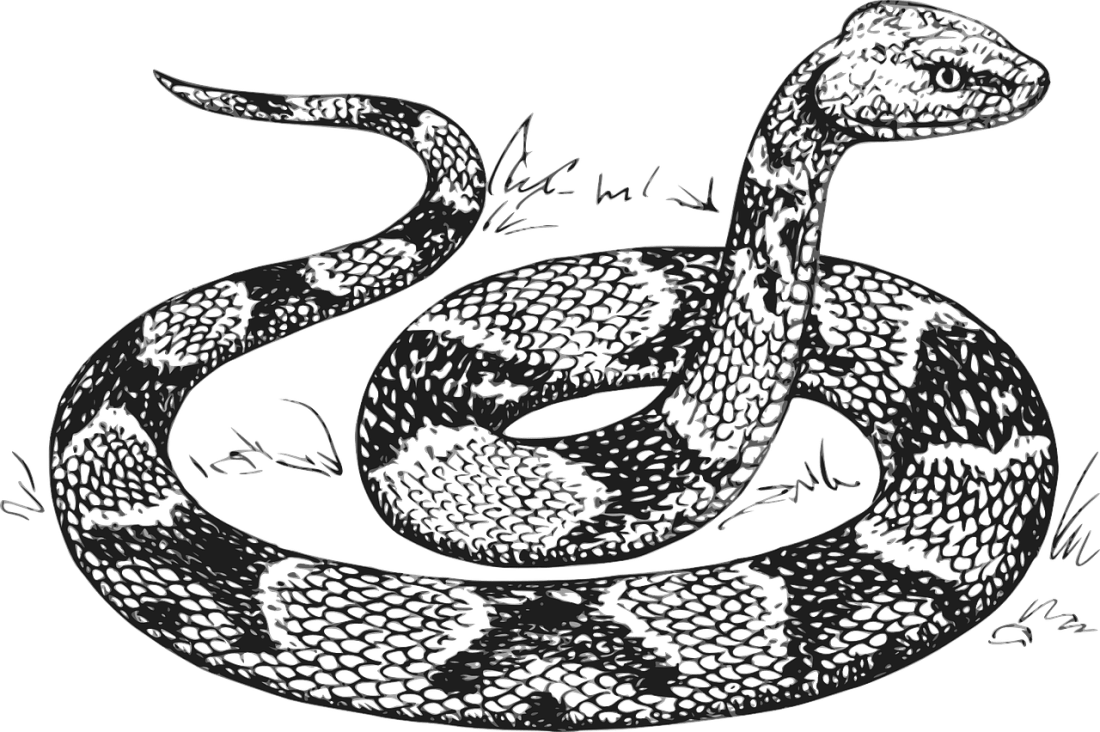
Serpent symbolizes knowledge, scientific method, and healing with physical solutions in order to treat diseases and injury. Serpent also sheds its skin and grows a new skin underneath, and so is continually both shedding its past and healing itself. The innate healing intelligence of the body that is gradual, incremental, and pulsed is the domain of the Serpent.

Operating from Serpent level is especially helpful for getting us through immediate trouble. Our reptilian brain is in charge and works from survival instincts, doing without over-analyzing or getting emotionally distraught about it.

snake-48155_1280

The downside of this perspective it is that it is heavily biased toward the physical or particle aspect of reality, which is very comfortable for most of us. It is easy to get stuck here and lose track of the authentic essence of our soul. We can begin to believe that the roles we play in this life—mother, brother, care-giver, etc., are the true self. We can hang on to toxic beliefs and reflex patterns of thoughts that may have been useful to get us through a crisis in the past, but now no longer serve us. They now create suffering and have become destructive for us as well as others.

Each direction is accompanied by four essential teachings.

The Four Teachings of the South are: Non-Judgment, Non-Suffering, Non-Attachment, and The Beauty Way.(3) Look at everything with beginner’s eyes. Avoid indulging or projecting pain. Let go of the labels you have stuck on yourself. Perceive loveliness even in the midst of ugliness. Move upon the Earth in beauty. Bring beauty into every interaction.

Each direction also offers a unique perspective on any aspect of your life that you feel you are ready to change in order to affect personal healing: the South—things with which you strongly identify; West—things from which you are mentally differentiating yourself; North—things you newly integrate into your life; and East—transcendence and full integration into your luminous energy body.

Movement around the directions and perspectives of your Medicine Wheels over time possesses great power for spiritual growth. To have the most power, they should be done by you privately, electronic gadget-free, in a special natural setting, and accepting the Earth’s wild card role in the process. The days of a new or a full moon, or solstices and equinoxes are preferred. It is most important that your ceremony be within a sacred space.

You can create sacred space as a healing bubble around your chosen Medicine Wheel site by “calling” to the four direction master archetypes (S-Serpent, W–Bear, N–Hummingbird, E–Eagle, as well as down—Mother Earth and up—Father Sky). With humility and gratitude, ask for their power and assistance in your personal healing work.

Medicine Wheel, holistic wellness, U.P. wellness publication, U.P. holistic health magazine

We have found soft rattling or drumming and offering tobacco gifts to the “spirits of the site” greatly facilitate this “calling.” Use a compass if you’re not certain of directions. The creative and intimate process of constructing your Medicine Wheel in a natural setting, using natural items found at your chosen site, quiets the mind and creates a highly meditative state. In sacred space there is no time, and you can trust your instincts and synchronicity.

Healing work with the Medicine Wheel begins with honoring the South direction and creation of a mandala in the sand, snow, or grass. Find one or two sticks to represent roles with which you currently identify, and that you mentally are ready to let go. Choose two additional objects (stones, acorns, pine cones, etc.) representing two of the “Teachings of the South” that you feel you are ready to mentally accept.

Place these objects in the South portion of your Medicine Wheel and leave them overnight on your mandala. Return the following day. Powerfully blow the mental and emotional attachment of your roles into the chosen sticks, but retain the lessons the role has taught you. Put them into the West space of the mandala. Place one or both of the “South teachings” objects into the West space as you also move these teachings firmly into your awareness. Savor in stillness how this feels.

If you can’t honestly do this, leave one or both in the South space for future Medicine Wheel work.

Leave and return the next day. Feel if any further movement is possible (roles, teachings). Collect your role sticks and teaching objects. Destroy your Medicine Wheel. Leave no trace! Close sacred space by thanking and releasing the four archetypes as well as Mother Earth and Father Sky.

Within the next two weeks, build a fire safely somewhere in open sacred space, and ceremonially throw your role sticks into the fire as you stomp your foot, intending for your mental attachment to them to be destroyed. Retain the objects representing “teachings” as daily reminders, and to be used in the next Medicine Wheel.

Now take the time to see how these mental and emotional changes begin to work in your life until your next Medicine Wheel ceremony, honoring the West direction.

Footnotes:
(1) Scherrer, D., Native American Medicine Wheels; Stanford University, 2015 & Medicine Wheel / Medicine Mountain National Historic Landmark; Wyoming State Historic Preservation Office (SHPO Website) 2017
(2) Oklevueha Native American Church
(3) Four Winds Society, Light Body School, Shamanic Energy Medicine Training

Jude Catallo and Scott Emerson, MD of Timelesshealing.org are both graduates of The Four Winds Society: Shamanic Energy Medicine Intensive Apprenticeship 2017 – ongoing; members of the Oklaweva Native American Church 2016 – ongoing; and Andean Cosmic Vision Apprenticeship, Don Theo Paredes 2003 – ongoing.

Reprinted with permission from the Summer 2019 issue of Health & Happiness U.P. Magazine, copyright 2019. All rights reserved.

Spotlight On… Alicia Smith, Owner of Acupuncture of Marquette 

Tell us what happens at Acupuncture of Marquette.
Basically, we do a health intake with all different kinds of questions and develop a complementary health treatment plan using acupuncture. Sterile, non-reusable needles are used on the meridians, which are pathways through the body affecting the nervous system.


How does acupuncture work?
Acupuncture looks at the whole body as an ecosystem and helps balance it. In Eastern theory, acupuncture points are being chosen to balance the body’s chi or life force energy. It’s also fascia-related – the interconnected tissues of the body send electrical impulses throughout. One area can impact another. Western medicine describes acupuncture as increasing blood circulation, and decreasing inflammation and tight muscles. And acupuncture may remove blockages, for example blood stasis, phlegm accumulation, stomach accumulation.

Groups of qualities (yin/yang) are considered in deciding where we need to balance you. Yin is water, fluid, slow-moving, fleshy, cooling; yang is fast-moving, hot, dry, loud. It’s a way to compartmentalize what is not in balance in the body. Someone with a very red face, maybe constipation, is considered to have yang excess and yin deficiency. Post-menopausal symptoms also indicate yin deficiency.

Certain acupuncture points have certain qualities.

Acupuncture can have a local quality – you may have tennis elbow and we are providing acupuncture there, but this also affects digestion because it’s on the large intestine meridian. Acupuncture points work on the body both distally and locally. For example, we can work with headache issues by moving energy away from the head and bringing it to the hand. This helps a lot with stress.

There are all different types of acupuncture needles – some longer, some shorter, different diameters. I tend to be gentler, using them without having to go so deep into people. I think a good acupuncturist meets the person’s energy where it’s at, addressing the person’s disposition and issue.

There are also different theories on how acupuncture treatment should be created. Some use abdominal diagnosis, palpating the stomach. Others use their sense of smell, seeing the skin color, taking the pulse, looking at the palm, feeling temperature differences, and/or running their hands up and down meridians to see where blockages are.

What do your clients most commonly come in for?
Often pain—back, neck, arm. Also infertility issues, anxiety, depression, PTSD syndrome. We can work on back pain and anxiety at the same time.

Acupuncture is a viable treatment option. It’s non-invasive, with no side effects beyond possibly feeling tired. In today’s world of medicine, much more invasive procedures are often used. Now more medical professionals are recommending acupuncture before prescribing surgery.

What do your clients like about it?
They feel very relaxed afterward. They feel comfortable in my clinic because the building is a house. It’s personal. They feel safe talking about what’s going on, being in a traditional setting rather than one where a medical record is created that follows you through life and could potentially be used against you. If you’re diagnosing using Chinese medicine, the insurance companies typically don’t understand it.

What kinds of benefits does it offer?
All ages can benefit from acupuncture. It doesn’t interact with medications. That’s why I really like this natural form of medicine. It’s very safe when done by a qualified professional, not a weekend class attendee. Acupuncture creates an environment in your body to help it heal.

If you don’t feel right, or are in a slump, potentially even just one treatment could help you. It can help with transitioning with the seasons, grief, over-consumption of anything that’s throwing you off in some way so you haven’t felt right since. It can help you safely move off of pain medication.

Some will take the input and heal faster. Some acupuncture points will go double-duty and work on additional things such as infertility or depression. There’s also a set of points that help the system as a whole. Doing acupuncture, you’re opening all the meridians. They’re interconnected, so your body’s going to do what it needs to do.

What are your qualifications and experience?
I went to Bastyr University in Seattle and did my internships, Bachelors, and Masters degrees. I took the pre-med program at NMU, and am on the verge of completing my PhD through the California institute of Integral Studies in San Francisco. I’ve been in practice since 2013.

What made you decide to become an acupuncturist?
I was dissatisfied with the Western medicine approach… Once I made the switch to Bastyr, I found acupuncture seemed to make sense. I wanted to work with my hands and practice a form of healing that did no harm… I found through my research that acupuncture has been around for a very long time and has a whole culture behind it. This was humbling, to embark on learning a system of medicine that had helped people heal for centuries.

What do you enjoy most about your practice?
I enjoy seeing all different types of people and treating all different types of conditions. I see a lot of first-time acupuncture patients. Here it’s newer, whereas it was very common in Seattle. I really like my patients, and living in the natural environment of the U.P., offering personalized care in a comfortable, cool, little clinic.

Why should someone come to Acupuncture of Marquette?
For pain and stress relief, balance, like when you feel you need a tune-up, wellness care, so life can be even better. When you fall off your wheel and need some support. When you want to find non-invasive, non-pharmacological help.

What else should people know about acupuncture?
It doesn’t hurt, and it’s not scary. It’s really relaxing. It’s a different type of medicine from a different paradigm and culture—not a pill in a bottle, not an injection with fluids in it. The dangers of trying it with a board-certified acupuncturist are very minimal.

Acupuncture has been around for a very long time. America is a melting pot, and this type of medicine is a gift we should embrace. It may seem to you that it’s different, that it’s strange, that maybe it doesn’t work, but have you actually tried it?

Reprinted with permission from the Summer 2019 issue of Health & Happiness U.P. Magazine, copyright 2019. All rights reserved.