Healthy Cooking: Hearty, Warming Stew, Val Wilson

vegetable black bean stew recipe, healthy cooking, Val Wilson, UP holistic wellness publication

When the weather is cold outside, it’s good to warm your insides with a hearty vegetable black bean stew.

Black beans are an excellent source of protein. High in zinc, iron, potassium, calcium and several B vitamins, black beans are great for your heart, kidneys, adrenal glands, liver, and brain, and can help stabilize your blood sugar. They are also high in antioxidants, which protect your cells from damage from free radicals.

Beans have been studied to show their anti-cancer properties. They contain the photochemical diosgenin which has been shown to stop cancer cells from multiplying. Plus, they contain isoflavones, which help prevent certain cancers and heart disease.

Squashes are full of fiber and high in antioxidants and minerals. Squashes boost your immune system, improve digestion, strengthen bones, can help lower high cholesterol and high blood pressure, eliminate inflammation, regulate metabolism, and optimize blood sugar levels.

Rutabagas are high in anti-carcinogenic properties, vitamins, A, B, and C, potassium, phosphorus, and calcium. They help aid digestion, and help detoxify the body. Rutabagas also feed and nurture the spleen, pancreas and stomach.

The rutabaga is a root vegetable, which is a very important category in your diet. Just as the name implies, root vegetables are the root of the plant. Energetically this is very significant. The denser root part of the plant is compact and has a downward movement, considered yang energy. The yang energy is your strengthening energy. It helps build your core to be strong.

Vegetable Black Bean Stew

1/2 purple onion (diced)
2 cups sweet potato (peeled and cut in cubes)
1 cup rutabaga (cut in cubes)
1 cup butternut squash (cut in cubes)
1 cup Brussel sprouts
1 cup mushrooms (chopped)
1 (15 oz.) can black beans (drain & save liquid)
1 1/2 cups water
1 T. tahini
1 tsp. sea salt
1/2 tsp. turmeric
1/2 tsp. cumin
¼ tsp. chili powder
1/4 cup bean water
2 T. arrowroot

Sauté the diced onion in a little olive oil and a pinch of sea salt in a soup pot until it’s soft and translucent.

Add the sweet potato, rutabaga, squash, and Brussel sprouts on top of the onion. Put each vegetable in its own area, similar to pieces of pie. Add the mushrooms on top of the vegetables.

Pour the 1 1/2 cups water over the vegetables and bring to a boil. Cover and reduce to a simmer. Simmer for 15 to 20 minutes until vegetables are fork-tender.

Add the tahini, sea salt, turmeric, cumin, chili powder, and drained black beans. Dissolve the arrowroot in the 1/4 cup of remaining bean water, pour over the other ingredients, and stir all together. As the arrowroot gets warm, it will thicken the stew.

Serve hot and enjoy!

Chef Valerie Wilson has been teaching cooking classes since 1997. She offers weekly, virtual cooking classes that all can attend. Visit http://www.macroval.com for schedule, cookbook purchases, phone consultations, or her radio show, and follow her on Facebook at Macro Val Food.

Excerpted from the Winter’23-’24 issue of Health & Happiness U.P. Magazine, copyright 2023, Empowering Lightworks, LLC. All rights reserved.

Healthy Cooking: Pumpkin Power for Fall, Val Wilson

healthy cooking for fall, UP well-being publication, UP holistic business

Pumpkin is one of the first food crops that humans consumed in North America. It is believed to have originated in Central America about 7,500 years ago; however it looked nothing like the orange pumpkins we see today. It was much smaller, had a hard outer skin, and a bitter taste. Food can change a lot in over 7,000 years, and I am grateful that today’s pumpkins are softer and much sweeter to the taste.


Pumpkins contain a sufficient amount of beta carotene which the body converts to vitamin A, known for improving eye sight and helping you see better in low light. And just like so many of the foods I use in my cooking, pumpkin is very high in vitamin C, helping to boost your immune system. It’s also a great source of potassium, fiber, iron, folate, and antioxidant vitamin E. Plus, pumpkin is one of the best foods for your lungs due to its carotenoids—lutein and zeaxanthin.

Brown rice is a whole grain and a complex carbohydrate. It’s important to consume complex carbs for their high fiber content and to give our body energy. Tofu is an excellent source of protein and high in both calcium and iron. Putting the two together in the following dish creates a well-balanced meal with different textures and wonderful flavors with the addition of creamy, sweet pumpkin sauce. 

Pumpkin Sauce over Brown Rice, Tofu & Vegetables

4 cups cooked brown rice
2 cups carrots (diced)
2 cups broccoli (cut up)
1 lb. fresh, firm tofu (cut in cubes)
1 T. olive oil
1 T. tamari
1/4 tsp. sea salt

Pumpkin Sauce
1 cup cooked pumpkin
1/4 cup rice non-dairy beverage (or your favorite non-dairy beverage) 
2 T. tahini
1 tsp. sea salt
1/2 tsp. onion powder

Steam the carrots until soft, about 5 minutes, and put in bowl. Steam the broccoli until soft, about 7 minutes, then add to bowl. Put cubed tofu on cookie sheet, add the olive oil and tamari, and mix all together to cover all the cubes with the seasoning. Then lay the cubes in a single layer and bake at 350° for 20 minutes until tofu is browned. Add tofu, cooked brown rice, and the 1/4 tsp. sea salt to bowl and mix all together.


Put pumpkin sauce ingredients in a food processor and puree until smooth. Pour the sauce over all ingredients in bowl and mix all together. Serve right away while warm, or refrigerate and serve cold.

Chef Valerie Wilson has been teaching cooking classes since 1997. She offers weekly, virtual cooking classes that all can attend. Visit http://www.macroval.com for schedule, cookbook purchases, phone consultations, or her radio show, and follow her on Facebook at Macro Val Food.

Excerpt from the Fall 2023 issue of Health & Happiness U.P. Magazine, copyright 2023, Empowering Lightworks, LLC. All rights reserved.
Healthy Cooking: Tasty Fuel for Playing (Hiking) in the Woods, Val Wilson

tasty fuel for hiking, healthy cooking, UP holistic wellness publication

Some of my fondest memories from when I was a kid are of playing in the woods with my cousins at my grandparents’ farm in Carney, near Escanaba in the U.P. Fast forward to now, when I am an adult and still enjoy playing in the woods, only now we call it hiking.

To have plenty of energy for long hikes in the woods, it is a good idea to take snacks with you for when you get hungry. Snacks should help give you energy for hiking (playing), not deplete your energy. Sugary snacks are not a good idea because the sugar will eventually catch up with you and actually make you more tired. Instead, you can make your own snacks with healthy sweeteners that will give you plenty of energy.

Carbohydrates give your body energy, not protein.

Protein helps build muscles and is slow digesting, making you feel fuller so you don’t get too hungry on your hike. A good snack will have both carbohydrates and protein. In fact, add the third vital nutrient for humans, fat, and you’ll have the perfect snack.

The following recipe has all three. The rolled oats, brown rice syrup and raisins in the snack are your carbohydrates. They digest slowly, giving you a slow, steady supply of glucose to give you energy. The peanut butter provides your protein and fat. Peanuts are a legume. They are high in pantothenic acid, B vitamins, iron, manganese, and vitamin E. Peanuts also contain resveratrol, an antioxidant that helps prevent heart disease and cancer.

When I am playing (hiking) in the woods, I carry these peanut butter snacks in my back pack. They travel well, help give me energy when I need it, and taste great.

Peanut Butter Energy Snacks

1 cup peanut butter (or your favorite nut butter)
1/2 cup brown rice syrup (or 1/4 cup maple syrup)
1 1/2 cup rolled oats

Optional: 1/2 cup sugar-free chocolate chips, or 1/2 cup raisins, or ¼ cup of both,
or 1/2 cup unsweetened baking cocoa

Puree the rolled oats in a food processor into smaller pieces, not to the point of creating flour. Put peanut butter, brown rice syrup, and chopped rolled oats in a mixing bowl. Add chocolate chips and/or raisins, or cocoa if you like. Mix everything together and form into small balls.

Refrigerate and then put in bags for traveling. Once the balls have set, they are hard enough to take with you as you hike.

*Cocoa or chocolate chips may make this snack melt more easily when carried with you on a hot day.

Chef Valerie Wilson has been teaching cooking classes since 1997. She offers weekly, virtual cooking classes that all can attend. Visit http://www.macroval.com for schedule, cookbook purchases, phone consultations, or her radio show, and follow her on Facebook at Macro Val Food.

Excerpt from the Summer 2023 issue of Health & Happiness U.P. Magazine, copyright 2023, Empowering Lightworks, LLC. All rights reserved.
The Co-op Corner: Play with Your Food, Marquette Food Co-op

Marquette Food Co-op, play with your food, UP holistic wellness, UP holistic well-being publication

Cooking can sometimes feel like a chore, but it doesn’t have to be! By inviting play and exploration into your cooking, you can turn it into a fun and creative activity. Here are some of our favorite ways for finding play in preparing your food:

Visit the farmer’s market: Visiting a farmer’s market can be a great source of inspiration for cooking. Seeing all the fresh produce and talking to the farmers can spark ideas for new recipes. You might find yourself drawn to a particular ingredient or combination of flavors that you wouldn’t have thought of otherwise.

Try a new recipe with an unfamiliar ingredient: Cooking the same dishes over and over again can get boring. Creating a dish with an ingredient you’ve never used before can be a fun challenge. Use an interesting vegetable, herb, or spice as your starting point, and search online for a recipe that features it.

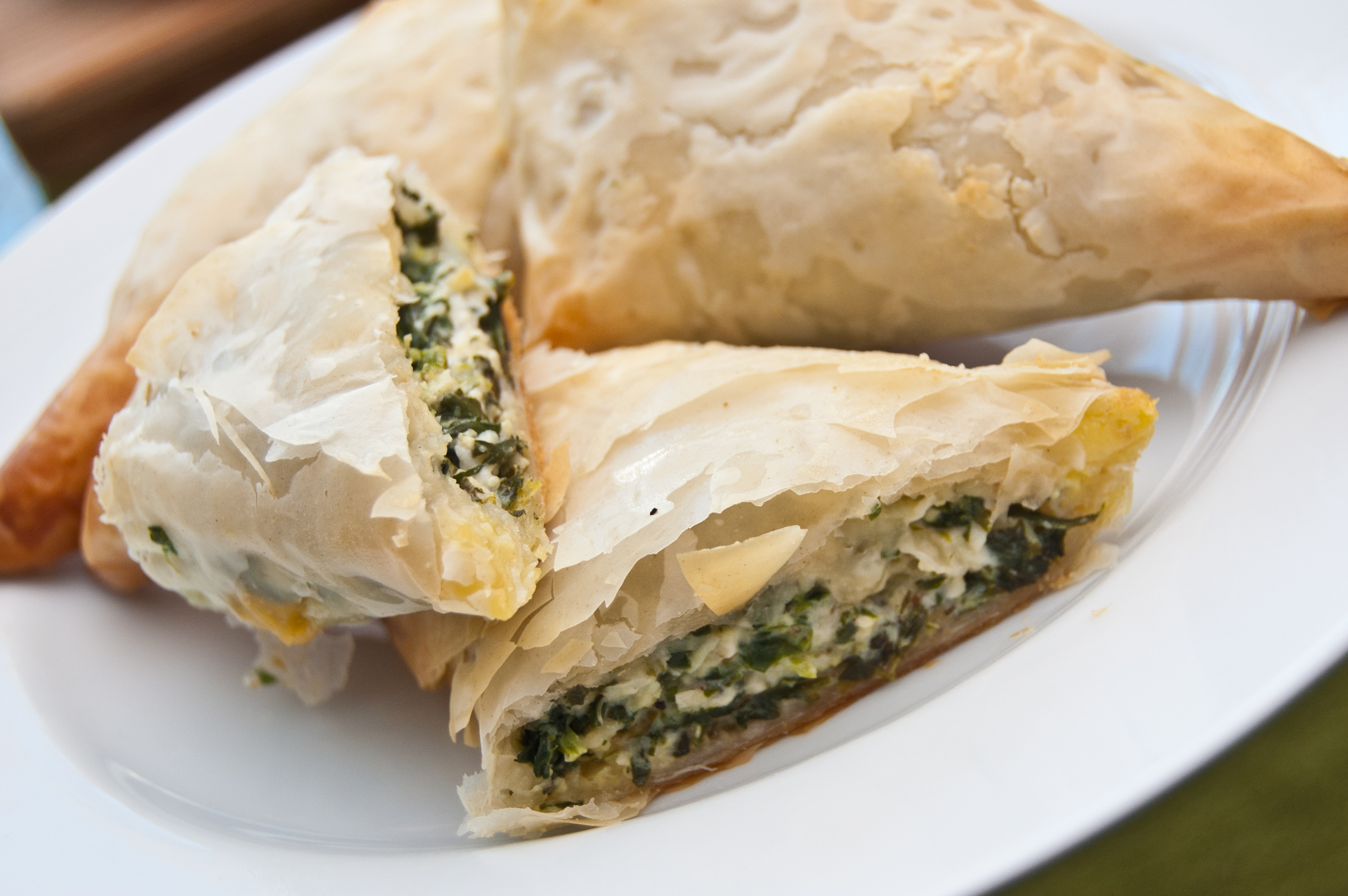
Host a food-based party: Themed parties can be a blast, especially when the theme is food-related. Consider hosting a party where everyone brings a dish from a particular cuisine, or an ingredient to create a dish such as Greek spanakopita, burritos, samosas, or pizza. This can be a great way to try new foods and learn about different cultures.

Have a family cooking night: Cooking with family members can be a bonding experience. Assign everyone a role, such as chopping vegetables, stirring the pot, or setting the table. You can even make it a competition by seeing who can come up with the most creative dish using a particular set of ingredients.

Take a cooking class: The Marquette Food Co-op offers public and private cooking classes. We share a full range of food experiences, from half-hour food demos to multi-course feasts. We can host bridal showers, birthday parties, business team building meetings, or friend groups looking for a unique culinary experience. Visit https://marquettefood.coop/outreach/ for more information.

By finding play in cooking, you can make it a more enjoyable and fulfilling experience. Whether you’re exploring new ingredients, trying new recipes, or cooking with loved ones, there are many ways to inject some fun and creativity into the process. Give it a try and let us know what you make!

Spanakopita Recipe

Have a spanakopita making party! Everyone brings an ingredient, helps prepare the pie, and can leave with leftovers! This dish freezes well, so it’s perfect to make ahead and bake as needed, straight from the freezer.

Ingredients

  • 1/2 package fillo dough (thawed)
  • 3 eggs
  • 3/4 lb feta cheese
  • plenty of butter – about 1 lb
  • 3 C chopped fresh spinach or 20 oz. frozen cooked spinach
  • 1/2 medium onion chopped
  • 1/4 C dried dill

Directions

Whisk eggs in a separate bowl and set aside.

Mix together the chopped spinach, onion, feta cheese, and dill. Pour the whisked eggs over spinach mixture and mix. Smell the mixture. If the dill scent is not the first thing you smell, add a little more dill. Set mixture aside.

Melt the butter in a separate dish. While the fillo dough is still rolled up, cut it into equal thirds. Take two and set aside wrapped in a damp cloth to keep the dough from drying out. Unroll the dough. Place one sheet of dough down and with a basting brush, lightly butter the dough. Place another sheet on top of the buttered one and repeat. Do this with 5 sheets of fillo dough.

Take about 2/3 cup of the spinach mixture and place it at the bottom of the 5 sheets of fillo dough. Shape the mixture into a right triangle so that one corner of the “spinach triangle” is in line with a corner of the dough. Proceed to fold the mixture into the dough in a “flag fold” fashion. When you reach the end, butter the end to the wrap, and lightly butter the top of the wrap. Continue doing this until all fillo dough is used.

Place wraps on a lightly buttered cookie sheet and bake at 375 degrees for 45 minutes or until golden brown.

*Article sponsored by the Marquette Food Co-op

Excerpt from the Summer 2023 issue of Health & Happiness U.P. Magazine, copyright 2023, Empowering Lightworks, LLC. All rights reserved.

Healthy Cooking: Super Spring Greens Medley, Val Wilson

healthy cooking, spring greens medley, UP holistic wellness publication, UP holistic business

Spring is in the air, the perfect time for colorful flavorful dishes featuring leafy green vegetables. After months of the colder, heavier energy of winter, spring’s uplifting energy is reflected in the food we eat. Sour is the signature flavor for spring, and lemon juice lends that sour taste to any dish. Foods with this sour flavor feed and nurture our liver, gallbladder, and nervous system as do leafy green vegetables.

Often the vegetables we buy have greens attached that we end up tossing out because we don’t know what to do with them. The nutrient-dense greens that grow upwards from root vegetables have upward, expansive energy and naturally bitter flavor. Their upward energy opens us up physically and emotionally to get ourselves moving in the warmer weather.

The greens featured in my recipe below are full of health benefits.

Turnip greens are very high in potassium, an excellent source of vitamins A, C, and E, and excellent for gut health and digestion. They’re also high in dietary nitrates, which help with cardiovascular functioning and reduce the risk of strokes, hypertension, and coronary heart disease.

Dandelion greens are great for detoxing the liver, purifying the blood, eye health, and healthy skin. They also contain over 500% of your daily requirement of vitamin K, which is important for healthy brain function, a strong metabolism, blood clotting, and improved bone health, reducing your bone fracture risk.

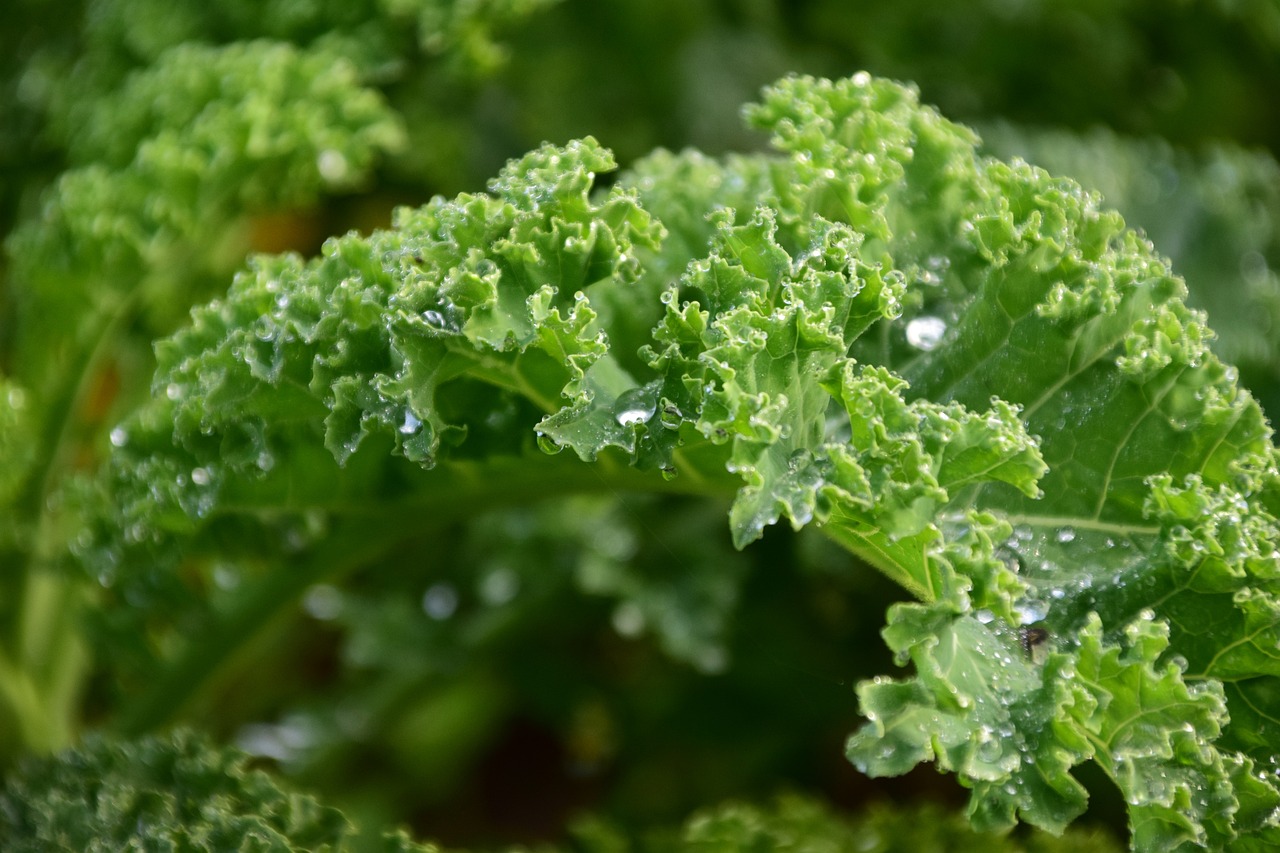
Kale is in the cabbage family and has anti-cancer properties. It’s very high in calcium, iron, vitamins C and K, and anti-inflammatory properties, and is great for your heart.

Fennel is one of the signature vegetables of spring. This licorice-tasting vegetable is great for your digestion. It contains a compound called anethole which is found to inhibit smooth muscle spasms in the intestinal tract, helping to eliminate gas or treat stomach cramps, which may help soothe indigestion, colic, stomach ulcers, and irritable bowel syndrome.

Spring Greens Medley with Turnips and Sweet Potato Miso Sauce

4 cups water
2 cups cooked brown rice
1 purple onion (thin half-moons)
1/2 fennel bulb (sliced thin)
4 cups kale (cut up)
2 cups turnip greens (cut up)
1 cup dandelion greens (cut up)
10 cloves black garlic (cut up or or reg. minced)
4 oz. mushrooms (cut up) Use your fave variety
2/3 cup vegetable water from recipe
2 T. brown rice vinegar
1 turnip (cut in matchsticks)
1/2 tsp. sea salt

Sauce

1 sweet potato (approx. 3 1/2 cups, peeled & cut up)
3/4 cup vegetable water from recipe
2 T. lemon juice
1 T. mellow white miso or chickpea miso
1/4 tsp. sea salt

Bring 4 cups of water to a boil. Boil turnips for approximately five minutes until soft. Remove turnips and boil the sweet potato for approximately 10 minutes until soft, then remove from water. SAVE THE WATER TO USE IN THE RECIPE AS VEGETABLE WATER.

Sautée the onions in a little olive oil and sea salt on medium heat until soft and translucent. Remove onions and add fennel to the middle of pan. Sautée with a pinch more of sea salt until soft.

Put mushrooms, garlic, kale, turnip greens and dandelion greens on top of the fennel and onions. Add 2/3 cup vegetable water, 2 T. brown rice vinegar, and 1/2 tsp. sea salt. Cover and simmer for approximately ten minutes until greens are soft.

Turn off heat, add turnip to the pan, and mix all together. Put the sauce ingredients in a food processor and puree until smooth. I recommend serving the sautéed vegetables over brown rice. Drizzle sauce over the top and enjoy!

Chef Valerie Wilson has been teaching cooking classes since 1997. She offers weekly, virtual cooking classes that all can attend. Visit http://www.macroval.com for schedule, cookbook purchases, phone consultations, or her radio show, and follow her on Facebook at Macro Val Food.

Excerpted from the Spring 2023 issue of Health & Happiness U.P. Magazine. Copyright 2023, Empowering Lightworks, LLC. All rights reserved.
Healthy Cooking: Hot Soup for Cold Days, Val Wilson

healthy cooking, healthy winter soup recipe, UP holistic wellness, UP holistic wellness publication, UP holistic business

Nothing will warm you up on a cold winter day better than a nice hot bowl of soup. Soup is such a versatile dish. It can be served as an appetizer before a meal, be the main course, or even just a snack.

When you make a soup with red lentils, you have the added bonus of a thick creamy texture because red lentils break down when they are cooked. Red lentils are an excellent source of protein, high in fiber, iron, calcium, zinc, selenium, phosphorus, manganese, and B vitamins.

Whenever you cook beans or lentils, add a small piece of kombu. This incredible nutrient-dense sea vegetable helps strengthen your intestinal tract and aids in digesting the lentils, helping to eliminate the gas some experience when eating beans and lentils.

Burdock root is an excellent strengthening root vegetable native to Michigan.

You may have come across it while hiking in the woods. It is the plant with the huge leaves and round burs that get stuck on your pant legs. You can dig up the plant and eat the root, but most prefer to just buy it from the store.

Burdock is great for your skin, can cleanse the blood, is good for your digestion, and can help eliminate toxins from the body. It’s best known for helping people with diabetes as it contains inulin, the nutraceutical that helps stabilize blood sugar levels.

Burdock root has a unique bitter, earthy taste. It is always best paired with a sweet vegetable such as the sweet potato in the soup recipe below. The seasonings paprika, curry, and cumin give a little spice to the soup without making it too spicy. They spices are warming spices, helping to keep you warm during the cold winter months.

Red Lentil Burdock Root Soup

10 cups water
1 (2 inch) piece of kombu
2 cups red lentils
1 onion (diced)
4 cups sweet potato (peeled and cut in cubes)
2 cups burdock root (cut in thin rounds)
3 celery stalks (diced)
1/4 cup minced kale
1 T. olive oil
3 tsp. sea salt
2 tsp. thyme
1 tsp. paprika
1/2 tsp. curry
1/2 tsp. cumin

Directions

Put the water and kombu in a soup pot and bring to a boil. Remove the kombu once it’s soft. Cut in small pieces and put back into pot. Add the red lentils and let water come back up to a boil. Add the vegetables, one at a time, letting the water come back up to a boil in-between adding each vegetable. Once all vegetables are in the soup pot, reduce to low, and simmer for twenty minutes. Turn off heat and add the seasonings. Stir everything together and serve hot.

Chef Valerie Wilson has been teaching cooking classes since 1997. She offers weekly, virtual cooking classes that all can attend. Visit http://www.macroval.com for schedule, cookbook purchases, phone consultations, or her radio show, and follow her on Facebook at Macro Val Food.

Excerpted from the Winter ’22 – ’23 issue of Health & Happiness U.P. Magazine. Copyright 2022, Empowering Lightworks, LLC. All rights reserved.

The Co-op Corner: Recipe For Success Program Receives Funding to Continue Food Education Across U.P., Marquette Food Co-op

food education program, nutritional support, healthy cooking, Marquette Food Co-op, UP holistic wellness, UP holistic business, UP wellness publication

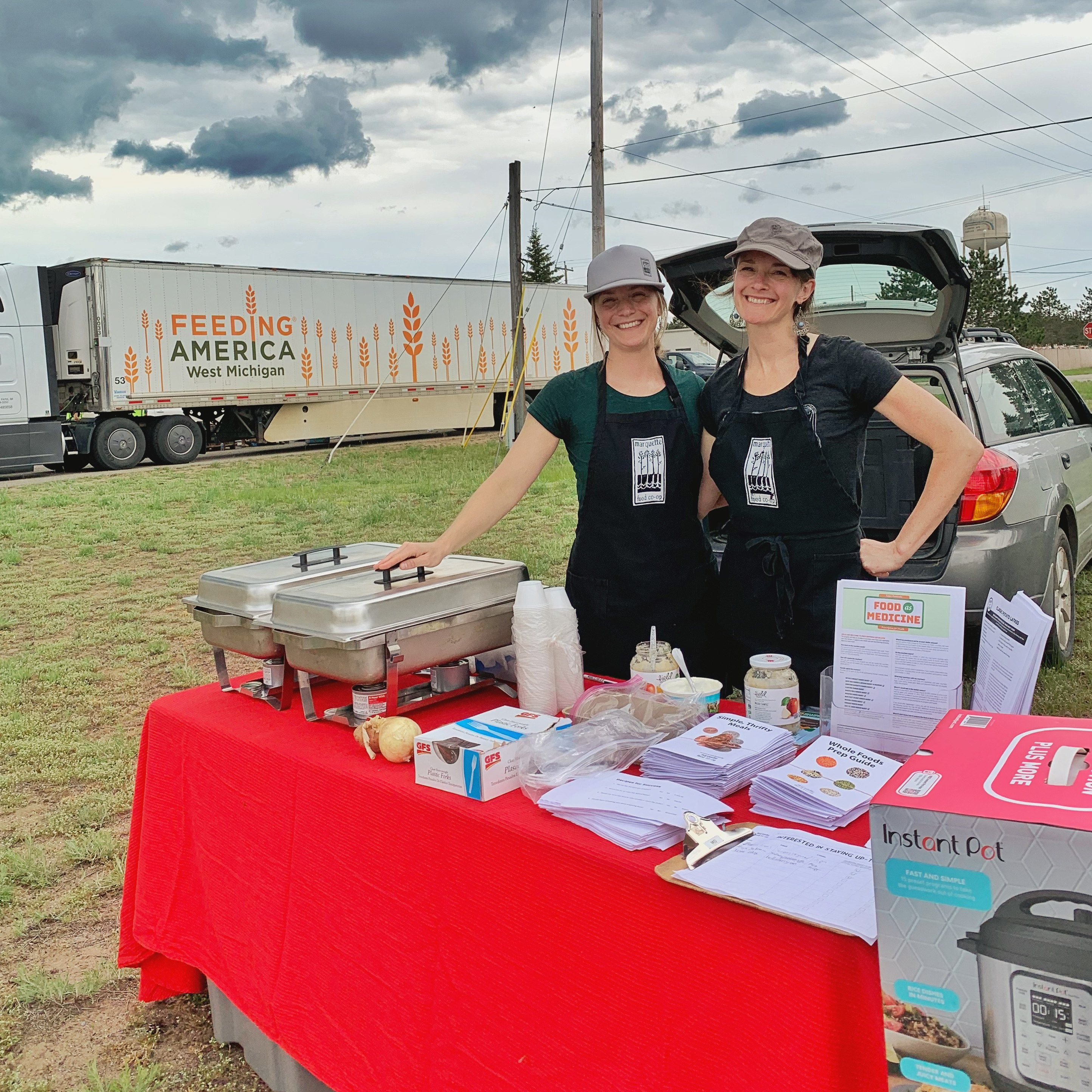
MFC Outreach Director Sarah Monte (right) and Education Coordinator Amanda Latvala (left) at a Feeding America distribution site this summer.

Feeding America West Michigan (FAWM) sends monthly trucks to locations all around the Upper Peninsula to distribute food to people in need. FAWM recently performed a detailed assessment of their mobile pantry distribution program and learned that attendees wanted to learn more about how to prepare healthy meals with the ingredients they were receiving. FAWM, the Marquette Food Co-op (MFC), and the Northern Michigan University Center for Regional Health (NMUCRH) teamed up to create a food education program that would specifically serve attendees of the mobile pantry distribution.

Funding from the Superior Health Foundation has enabled the team to create this multi-faceted project with a virtual and in-person food education component that links food educators across the Upper Peninsula. Seven mobile pantry locations whose attendees indicated strong interest in food education were selected for live food demos or sampling. These locations include Marquette, Ishpeming, Newberry, Sault Ste. Marie, Manistique, Norway, and Ontonagon.

Comprehensive kitchen equipment kits were put together so that our partners had the tools necessary to prepare and serve the food.

At mobile pantry distributions throughout the summer and fall, our partners prepared food in certified kitchens and brought it to the pantry distribution so attendees could taste the prepared recipes. Depending on the location, our team of food educators would demonstrate recipe preparation, or move from car to car serving the featured recipe and chatting about how they prepared it.

This is a particularly fun and challenging partnership, as what food will arrive on the truck often isn’t known until twenty-four hours before the event. FAWM notifies the food educators of the products, and the team gets to work finding the right recipe that features food participants will be taking home that day. Recipients get a copy of the recipe so they can recreate the meal at home.

The MFC and Food for Life Nutrition services developed a suite of recipes tailored to the items most often delivered via the mobile pantry, so the demo team has resources ready to go. These recipes are housed on the NMUCRH website. NMUCRH also worked with the MFC to put together video demonstrations to accompany the recipes. These demonstrations and recipes are available to anyone and can be found at nmu.edu/ruralhealth/recipes.

The MFC provided staff for the demos at the Marquette and Ishpeming locations.

We used our experience with food demonstrations offsite to create equipment kits for each team of food educators at each location. NMUCRH, as an organization that serves the entire Upper Peninsula, travels frequently and was instrumental in dropping off the kits to our partners.

Preliminary evaluations indicate that the recipes are a big hit. For example, out of the 128 evaluations at the Marquette location, 115 people indicated they would make the recipe at home, with another 11 saying maybe they would make the dish at home. 119 people stated they would share the food and/or recipe with other people. It’s not just the participants enjoying the event. As one food educator said, “I loved getting to interact with so many people, cracking jokes and chatting with them. This filled my cup.”

We are thrilled to announce renewed funding for the Recipe for Success Program and are looking forward to another year of bringing food education to sites across the Upper Peninsula. Be sure to visit the NMUCRH site above to learn more about our partners and to try out some of the recipes in your own home!

*Article sponsored by the Marquette Food Co-op

Excerpted from the Winter ’22 – ’23 issue of Health & Happiness U.P. Magazine. Copyright 2022, Empowering Lightworks, LLC. All rights reserved.

Healthy Cooking: Antioxidant-Rich Wild Rice, Val Wilson

wild rice pilaf, health benefits of wild rice, healthy cooking, UP holistic wellness publication, UP holistic business

Wild rice is known for its rich, black color and mild, earthy flavor, but did you know that it is a fantastically healthy food that can help slow the signs of aging?

Its high antioxidant levels, thirty times higher than other rices, can help do this and offer many other health benefits. Antioxidants neutralize free radicals, the dangerous by-product of cellular metabolism that may cause healthy cells to mutate or turn cancerous. Our bodies may form free radicals from eating refined processed food, smoking, drinking, environmental pollutants, eating sugar, and taking pharmaceutical drugs.

When you eat wild rice, the high antioxidant content may help neutralize the free radicals that accumulate under the skin, which can cause wrinkles and other blemishes. It is important to note that white rice has no antioxidant capabilities. 
     
Wild rice offers other wonderful health benefits too. It has high fiber content, which can help improve digestion, is good for the heart, and may help reduce the risk of colon cancer. Wild rice’s high phosphorus, vitamin K, and zinc levels are good for strong bones, bone mineral density, and healthy joints. Wild rice also contains vitamins A, C, E, B6, niacin, calcium, iron, magnesium, selenium, and omega-3 fatty acids. Wild rice is best cooked with other brown rices to create a nice chewy texture, sweet, earthy flavor, and colorful combination. 

Wild Rice Mushroom Pilaf

1/4 cup wild rice 
1/4 cup short grain brown rice 
1/4 cup long grain brown rice 
1 1/2 cups water
1/2 onion (diced) 
2 garlic cloves (minced) 
2 cups chopped assorted mushrooms (shiitake, maitake, cremini, or your favorite) 
1 carrot (diced) 
2 celery sticks (diced) 
1/2 cup walnuts (chopped) 
2 T. minced parsley 
2 T. raisins (optional) 
toasted sesame oil 
tamari 
1/2 tsp. thyme 
1/4 tsp. rosemary 
1/4 tsp. sage 
1/4 tsp. sea salt

Directions

Put the rices and water in a pot and bring to a boil. Reduce to the lowest possible temperature, cover, and simmer for one hour until all the water has been absorbed. Sauté the onion in a little toasted sesame oil and tamari until soft and translucent. Put the sautéed onions in a large mixing bowl. Using the same pan, sauté the carrots in a little toasted sesame oil and tamari for a couple of minutes until they are browned and add to the bowl. Sauté the mushroom and celery the same way, then add to the bowl.

Chef Valerie Wilson has been teaching cooking classes since 1997. She offers weekly, virtual cooking classes that all can attend. Visit http://www.macroval.com for schedule, cookbook purchases, phone consultations, or radio show, and follow her on Facebook at Macro Val Food.

Excerpted from the Fall 2022 issue of Health & Happiness U.P. Magazine. Copyright 2022, Empowering Lightworks, LLC. All rights reserved.

Healthy Cooking: The Art of Blueberry Pie, Val Wilson

There is nothing as sweet as wild blueberries picked fresh in the UP! The challenging part is not eating all of them as you pick so you still have enough to make a pie. The beautiful flakey crust and rich blue color can make that pie look like a work of art!


There are many health benefits in these little sweet berries. Blueberries are full of antioxidants, which are important for getting rid of free radicals in our bodies that can cause disease. What gives those beautiful blueberries their blue color is the antioxidant anthocyanins which studies have shown can help prevent neuronal diseases, cardiovascular illness, cancers, diabetes, and other inflammatory diseases. 


Containing vitamin K, iron, calcium, and zinc, blueberries are good for your bones. They also contain vitamins C, A, E, magnesium, folate, manganese, and beta carotene, and are high in fiber and protein. Plus research has shown consuming blueberries can help increase the rate of muscle strength recovery and muscle repair if you suffer from exercise induced muscle damage (EMID). And the wild berries are reported to have more of the healthy antioxidants and, in my opinion, more sweetness. 


In the following recipe I use whole grain flour. I prefer spelt or kamut flour. If you want to create a gluten-free crust, I would suggest using oat flour. Any flour will work to create the crust for this recipe. 


Blueberry Pie*

Crust 
3 cups whole grain flour 
1/2 cup olive oil 
1/2 cup water 
Pinch of sea salt 

 
Filling 
5 cups blueberries 
1/2 cup brown rice syrup 
2 T. lemon juice 
5 T. arrowroot 
1 tsp. cinnamon 

To make the crust, mix together all the ingredients until you get a firm dough that will hold together. Divide into two equal parts, form into round discs, and cover in plastic wrap. Put in the refrigerator for a couple of hours, then roll out the crust between two pieces of plastic wrap and put in an oiled pie pan.

For the filling, put all of the ingredients in a sauce pan, then cover and heat on low. Once the filling starts to heat up, the blueberries will release their natural juices. Once this occurs, mix everything together. As it heats, the arrowroot will thicken the filling.

Pour filling into bottom crust. Roll out the top crust in the same way as the bottom crust. Place the top crust over the pie and pinch the edges to create a decorative edge. Bake at 350 degrees or one hour. Let cool before cutting.


*Recipe from Chef Val’s new cookbook Simply Healthy Scrumptious Desserts

Chef Valerie Wilson has been teaching cooking classes since 1997. She offers weekly, virtual cooking classes that all can attend. Visit http://www.macroval.com for schedule, cookbook purchases, phone consultations, or radio show, and follow her on Facebook at Macro Val Food.

Excerpted from the Summer 2022 issue of Health & Happiness U.P. Magazine. Copyright 2022, Empowering Lightworks, LLC. All rights reserved.

Healthy Cooking: Sweet Greens & Carrots, Val Wilson

healthy cooking, cleansing spring foods, healthy spring recipe, carrots and sweet greens, holistic wellness, U.P. holistic business, U.P. holistic wellness publication

Spring is the time our bodies go through a natural cleansing. We have just spent months indoors, typically eating more heavy foods seasoned with more fat to help keep us warm. When spring comes, it’s time to lighten up your cooking and include cleansing green foods.

Green foods contain chlorophyll, which has many healing properties such as detoxing the liver. The liver, gallbladder, and nervous system are organs to focus on feeding and nurturing during the spring. Chemically similar to hemoglobin, a protein that is essential in red blood cells as it carries oxygen around a person’s body, chlorophyll also can help with wound healing, cancer prevention, and is good for your skin.

Kale and collards greens are in this category of green foods. Both are high in vitamin C, protein, and iron. Celery helps to cleanse the blood, which brings one’s energy up to help with the busier time of spring. 

Carrots are a great vegetable to add color and sweetness to any dish. In the recipe below, the sweetness of the carrots and raisins help balance out the bitterness of the greens. Also known for helping to purify the blood, carrots are high in vitamin A, calcium, and phosphorus. Seasoning this dish with lemon juice and brown rice vinegar brings in the signature flavor of spring—sour. 

Sweet Greens & Carrots

2 cup carrots (pencil-cut) 
2 cups celery, including leaves (diced) 
Olive oil
Sea salt 
1/2 cup raisins 
2 cups collard greens (diced) 
4 cups kale (diced) 
4 cups summer Napa cabbage (diced) 
1/4 cup water 
1 T. tamari 
1 T. brown rice vinegar 
2 T. lemon juice
1/4 cup toasted sunflower seeds 

In a large pot, sauté the carrots in a little olive oil and a pinch of sea salt for a couple of minutes. 

Move the carrots to the side of pot. Add the celery and another pinch of sea salt to the middle of the pot and sauté for a couple more minutes.

Layer the raisins, collard greens, kale, and cabbage on top of sautéed vegetables. 

Add the 1/4 cup water, tamari, and brown rice vinegar. Cover and simmer on low for 15 minutes, until vegetable are soft. 

Turn off the heat and add the lemon juice and sunflower seeds.

Mix everything together and serve warm.

Chef Valerie Wilson has been teaching cooking classes since 1997. Visit http://www.macroval.com for schedule, cookbook purchases, phone consultations, or radio show, and follow her on Facebook at Macro Val Food.

Excerpted from the Spring 2022 issue of Health & Happiness U.P. Magazine. Copyright 2022, Empowering Lightworks, LLC. All rights reserved.