Senior Viewpoint: Choosing the Right Assisted Living Facility

choosing the right assisted living facility, senior viewpoint, senior needs, UP holistic wellness publication

Moving into an assisted living facility is a major change for you or your loved one. New environment, people, routines—all require significant adjustment to this hopefully long-term phase. So you’ll want to be confident in your choice of a facility.
 
The future resident’s clinical needs, personal preferences, and budget need to be considered first and foremost. Discussion is needed so everyone involved understands these priorities. 
 
The over-30,000 U.S. assisted living facilities vary greatly in size, cost, culture, food, specialization, and perks.

Factors to consider when selecting one include:

Location: Is the facility near family and friends? Is it in the type of setting preferred, i.e. urban, rural, suburban?
 
Licensing: Is the facility currently licensed? Licensing gives more consumer protections and a place to turn to should complaints arise.
 
Track Record: Check with family or friends who have experience with the facility, your state or local long-term care ombudsman program, and inspection reports (for state-licensed facilities). The latter two can be found through http://theconsumervoice.org/get_help, or by calling (866) 992-3668.
 
Staffing & Expertise: What training, education, and experience does the staff have? Is ongoing training provided? Are state or national background checks done on all employees? What is the ratio of staff to residents? (This can be as high as five or six to one in group homes, or as low as MI law requirements of 15 to 1 during waking hours and 20 to 1 after.)
 
How many hours is a registered or licensed practical nurse on duty? What services do they provide? Will the same staff person consistently help the resident with personal care? (This is optimal.) Can a private duty companion or medical support person be hired?
 
Infection Control & Prevention, Cleanliness & Safety: What are the facility’s infection control and prevention practices? How does this rate in their government inspection reports? Are both common and private areas kept clean? How are medical and other emergencies handled? Are there security devices and staff? Fire drills? Is there a sprinkler system and smoke detectors throughout the facility? Can the facility verify its financial security?
 
Needs, Preferences & Routines: Is the type of care you or your loved one might need for a certain medical condition now or in the future available at the facility? Does the facility determine when more services are needed by the resident, or the resident and their family? How often is this service plan assessed? Will the facility accommodate routines that are important to the resident? What’s the policy on personal belongings and pets? What transportation is available to residents? Are there places of interest residents can safely walk to nearby?
 
Payment & Policies: Review the contract or agreement carefully so you understand exactly what will be provided and what fees will need to be paid, including any security deposit or entrance fee. What are the refund and grievance policies? Does the facility participate in Medicaid? Is there a written schedule of fees for extra services and activities? What might cause these fees to change, and how much advance notice is given?
 
What are the resident’s rights and responsibilities? What is the grievance procedure? What would cause a resident to be discharged?  You can take the initiative to make changes to the contract or require more specificity before signing a contract or agreement.
 
Dining: How’s the food quality? Are special dietary needs accommodated? How often are menus rotated? May residents eat in their rooms? Can guests join them at meals?
 
Activities: What kinds of health, wellness, spiritual, and entertainment programs are provided and how often? Are there opportunities to attend activities in the community?

Review the resources listed below for detailed guidance on these and other factors. Visit facilities you’re considering repeatedly, including unannounced. Bring your questions and checklists. Speak with a wide variety of staff members and residents. Take your time reviewing any written materials.

And take a deep breath. You can do this!

Resources

Excerpted from the Winter’23-’24 issue of Health & Happiness U.P. Magazine, copyright 2023, Empowering Lightworks, LLC. All rights reserved.

Senior Viewpoint: Playing with the Masters, H&H

benefits of intergenerational play, UP holistic wellness, senior viewpoint, UP holistic wellness publication

Did you know the young can help keep you young?

According to Jennifer Crittendon, Assistant Director of the University of Maine Center on Aging, research has shown that spending time with kids benefits your cognitive, emotional, and physical health. It also can give you a sense of purpose, which can help minimize depression. (1) Another study showed older people who volunteered with youth had greater life satisfaction than peers who did not. In fact, a study has even shown that babysitting grandparents have a 37% lower mortality risk than adults of the same age who have no “caring responsibilities.” (2)

Research has also shown that spending time with children and adolescents improves seniors’ communication, self-esteem, decision-making skills, and memory; results in feeling they’re assisting the next generation and making a difference for our future society; and causes them to feel appreciated and valued.(3)

And with good reason! As civicsplus.com describes, children mentored by seniors benefit through improved academic achievement, feeling loved and enjoying dedicated attention, emotional bonding, gaining confidence through non-judgmental companionship, and being exposed to the knowledge and demeanor of older adults. (4)

A University of Oxford study by Professor Ann Buchanan of the Department of Social Policy and Intervention showed “a high level of grandparental involvement increased the well-being of children.” Their study of more than 1,500 children showed that those with a high level of grandparental involvement had fewer emotional and behavioral problems. The influence of positive role models is crucial as children tend to model the behaviors they see.(5)

But perhaps most importantly for seniors, children are masters of play!

And play relieves stress; boosts creativity and mental function; fosters empathy, compassion, trust, and intimacy with others; and increases your energy, vitality, and even resistance to disease.(6)

If you are fortunate enough to have grandchildren in your life, whether your own or others’, below are some tips to keep things fun and play-full. And if you don’t have young ones around, seek out opportunities at your local school, library, or community center!

  • Don’t be afraid to be silly.
  • Let mess fall where it may, so fun can take precedence! Clean-up can always be taken care of afterward.]
  • Be flexible. If they want downtime, go with it. If the museum you passionately wanted to share with them has them yawning, move on to something else.
  • Laugh together.
  • If you’re related, tell them stories of their mom or dad.
  • Find ways to be together even if you’re apart—phone, Zoom, online games, letter writing….
  • Don’t just give things, do things. Shared experiences will benefit both of you more than giving and receiving gifts.(7)

Not sure how to best spend your time together? Here are some ideas to get you started!

Indoors

  • Draw family tree – can share stories as they ask questions
  • Make a fort
  • Ask 20 questions about each other, alternating back and forth
  • Play cards
  • Make holiday decorations
  • Do kid-friendly crossword puzzles together
  • Have a tea party
  • Take turns reading from favorite books together
  • Draw portraits of each other
  • Bake together
  • Have a dance party
  • Make ice cream sundaes
  • Cook dinner together
  • Decorate T-shirts with tie-dye or puff paint
  • Play dress-up–walk around in costumes or put on a play
  • Play board games
  • Put on a puppet show
  • Color together
  • Have movie night with special snacks
  • Have a spa day
  • Make gifts for parents
  • Play Legos
  • Teach each other a hobby
  • Make a racetrack for toy cars with cardboard and masking tape
  • Make special drinks such as specially flavored lemonades or milkshakes

Outdoors

  • Walk
  • Plant flowers
  • Bikeride
  • Picnic
  • Paint rocks
  • Play hide ’n seek
  • Make a birdhouse
  • Go to a zoo
  • Go bowling
  • Draw with sidewalk chalk, including hopscotch and tic-tac-toe
  • Play mini golf
  • Visit a Farmer’s market
  • Go to the park
  • Blow bubbles—even in winter! Can make from simple online recipes
  • Go to a public pool
  • Take a class together—painting, cooking, pottery, art, movement, music….
  • Go berry or apple picking
  • Make a sandcastle together
  • Visit a museum
  • Go bowling
  • Go fishing
  • See a game
  • Go out to dinner
  • Go to a movie (8)

1 https://www.aarp.org/home-family/friends-family/info-2018/adult-kid-benefit.html

2 https://tinybeans.com/benefits-for-kids-to-spend-time-with-grandparents/

3 https://www.civicplus.com/blog/pr/six-benefits-of-intergenerational-parks-and-rec-activities

4 https://www.civicplus.com/blog/pr/six-benefits-of-intergenerational-parks-and-rec-activities

5 https://tinybeans.com/benefits-for-kids-to-spend-time-with-grandparents/

6 https://www.helpguide.org/articles/mental-health/benefits-of-play-for-adults.htm

7 https://shebuystravel.com/how-to-be-the-fun-grandparent/

8 https://mommypoppins.com/boredom-busters/activities-for-grandparents-to-do-with-kids

Excerpt from the Summer 2023 issue of Health & Happiness U.P. Magazine, copyright 2023, Empowering Lightworks, LLC. All rights reserved.
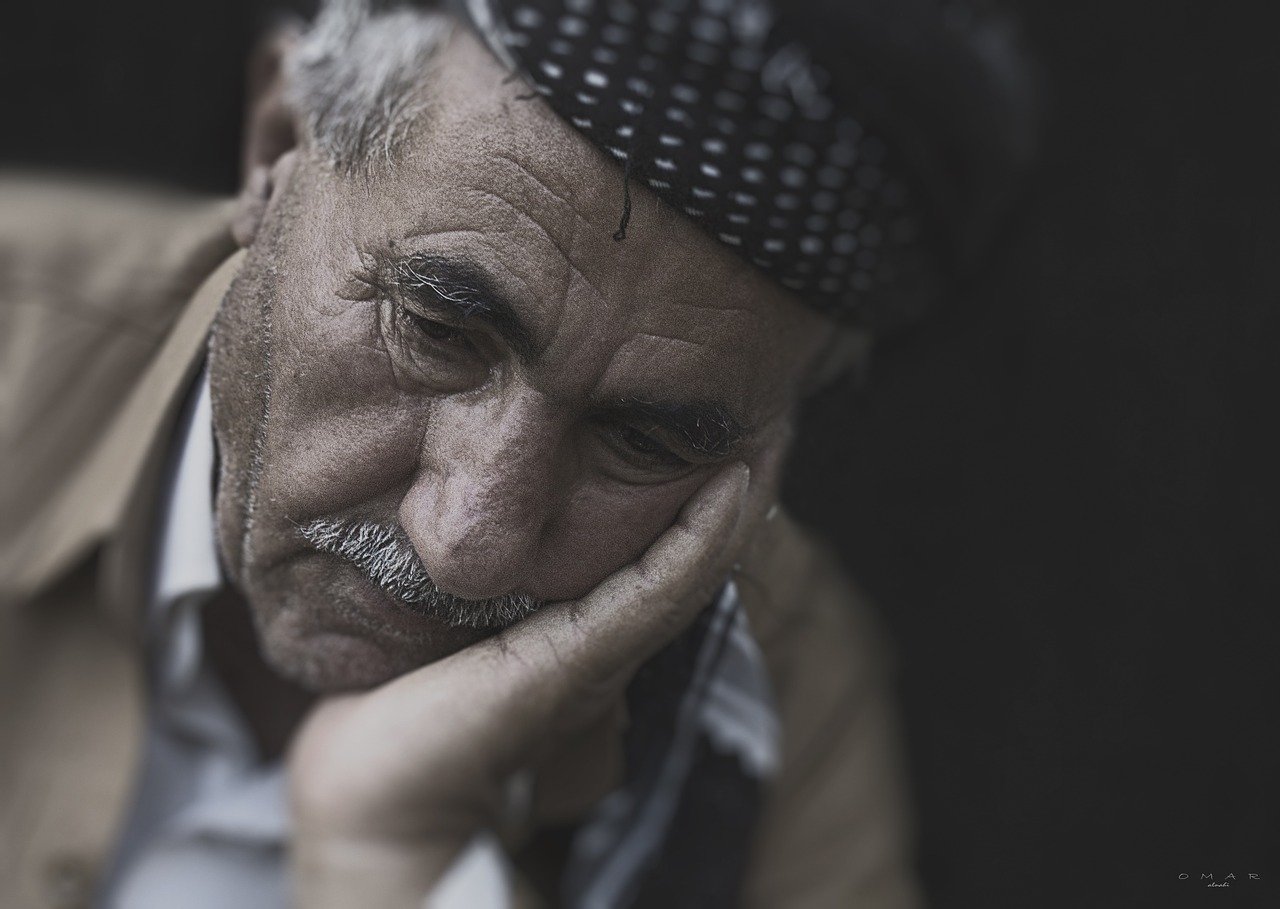
Senior Viewpoint: Successful Aging, Kevin McGrath

successful aging, senior viewpoint, gifts of aging, tips for successful aging, UP holistic wellness, UP holistic publicatioin

When you think about aging, what you are actually thinking about is being alive.

Oftentimes people tend to allow corporations and their advertising campaigns to define what aging is through all of the anti-aging and look-younger products that are being pushed at us in the media and markets, indirectly telling us that the aging process isn’t desirable. Whether it’s gray hair, wrinkles, or reduced energy levels, capitalistic business tries to take advantage and convince us to spend money to change ourselves.

Of course, you’re entitled to spend your own money how you want, but be sure it’s on your own terms. Looking younger isn’t being younger, but if that’s what works for you, then spend away! Just don’t let the ad campaigns make you feel inferior, because you’ve developed considerable amounts of experience through your life’s adventures that give you greater insight and wisdom to deal with challenges than a younger person, who may be overwhelmed by them.

Having more free time in retirement can enable older adults to do things they’ve only dreamed about.

Whether it’s going on trips to places on your bucket list, starting a new career in something that’s always interested you, spending more quality time with loved ones, or taking a course at a nearby college or online. You could even teach a course in something you’re good at as an enrichment class for others to expand their skill sets, or attend an enrichment class yourself.

Having more time also offers you the ability to volunteer with different organizations that fit your fancy. Many these days are in desperate need, creating a win-win scenario.

In addition to more time, seniors may also have greater disposable income due to Medicare and Social Security guaranteeing basic health insurance and a minimum income. Senior discounts are also a very nice perk to advancing in years, as they can be found nearly everywhere.

Of course, your mental and physical fitness level is a big influence on how much you might tend to enjoy your later years.

Here are some tips from the National Institute on Aging for aging “successfully,” to help you stay healthy and deal with potential cognitive challenges:

  • Learn a new skill.
  • Follow a daily routine.
  • Plan tasks, make to-do lists, and use memory tools such as calendars and notes.
  • Put your wallet or purse, keys, phone, and glasses in the same place each day.
  • Stay involved in activities that can help both the mind and body.
  • Volunteer in your community, at a school, or at your place of worship.
  • Spend time with friends and family.
  • Get enough sleep, generally seven to eight hours each night.
  • Exercise and eat well.
  • Prevent or control high blood pressure.
  • Don’t drink a lot of alcohol.
  • Get help if you feel depressed for weeks at a time.

There’s no point in trying to fight aging—we either advance in years or not, and until that final day arrives for each and every one of us, it would be wise to make the most of the advantages we’ve earned over the years.

Kevin McGrath is schlepping toward retirement and is looking forward to his next adventure on the highway of Life.

Source: https://www.nia.nih.gov/health/memory-forgetfulness-and-aging-whats-normal-and-whats-not

Excerpted from the Winter ’22 – ’23 issue of Health & Happiness U.P. Magazine. Copyright 2022, Empowering Lightworks, LLC. All rights reserved.

Senior Viewpoint: Social Isolation Coping Tips from Marquette’s Senior Center, Akasha Khalsa

social isolation coping tips, senior viewpoint, Marquette Senior Center

For many older adults, the continuing COVID-19 pandemic has caused a great deal of stress and isolation as separation from their families and friends is still necessary for their safety. Grandmothers and grandfathers must stay removed from their grandchildren despite the ache, uncles and aunts are unable to stop by and visit, and this situation has been quite hard on everyone.

Maureen McFadden, a social worker at the Marquette Senior Center, said she has seen a great deal of clients who have developed anxiety during the pandemic, and that issues relating to isolation affect perhaps half of the approximately 1300+ people the senior center serves. Knowing the struggles faced by her clients, McFadden focuses on three crucial areas to help cope with any sadness or anxiety stemming from the isolation as we gradually move toward herd immunity through vaccinations.

Firstly, she recommends that older adults engage in at least fifteen to twenty minutes of physical activity each day so their bodies get moving to keep them physically and mentally healthy.

Some older adults may be hesitant to attempt exercise.

Perhaps they worry about slipping on ice if they exercise outside, or falling inside the home. If this is a concern, McFadden recommends exercises that can be done while sitting in a chair.

If interested, seniors can seek instructional guides for chair exercises at their local senior center or public library. Such organizations will often mail guide materials directly, or offer curbside pickup.

Along with exercise, McFadden focuses on a second area to promote wellbeing: socializing safely. If seniors plan visits with friends or family members during this time, McFadden recommends following CDC guidelines for a safe interaction. This includes social distancing, wearing a mask, and meeting outside when weather permits.

There are also alternative platforms for social interaction which older adults can access with a basic understanding of technology, or with the help of a family member or friend. The Michigan Department of Health and Human Services is currently offering a service called GetSetUp Michigan, which includes free virtual small group classes on topics such as how to schedule and host Zoom videoconference meetings, and how to get started with Gmail, as well as information on COVID-19 vaccines.

“We’ve noticed that a lot of people have been kind of branching out of their comfort zones during this pandemic, and they want to try to use this technology,” McFadden said. “So, the GetSetUp Michigan is a really wonderful free resource for older adults because it helps teach them those independence skills in regards to technology.”

These skills enable seniors to attend social gatherings online.

For example, the Marquette Senior Center currently hosts virtual tai chi classes through Zoom. Plenty of other centers offer similar services. Those interested can reach out to local public libraries and senior centers. If desired, older adults can also reach out to religious organizations to see what kinds of events or outreach programs they may have planned.

Last but not least, McFadden said seniors must focus on nutrition. Some may have varying issues acquiring meals due to a number of barriers. She recommends utilizing resources such as Community Action Alger-Marquette or Meals on Wheels to get access to proper nutrition.

“We have to make sure we’re feeding our bodies well during this time, especially if you’re suffering from a financial instability due to the pandemic,” McFadden said.

Keeping these three central concerns of exercise, safe socialization, and nutrition in mind will help seniors cope with the difficult and stressful situation in which we find ourselves. Luckily, many resources are available, and older adults are encouraged to take advantage of them to assure their own wellbeing.

Akasha Khalsa is a student at Northern Michigan University, where she studies English literature and French. She is currently employed as a desk editor for the North Wind Independent Student Newspaper.

Excerpted with permission from the Spring 2021 issue of Health & Happiness U.P. Magazine. Copyright 2021, Empowering Lightworks, LLC. All rights reserved.

Fall Prevention through the “Matter of Balance” Program, UPCAP (Upper Peninsula Commission on Area Progress)

fall prevention for seniors, senior balance, U.P. holistic magazine, U.P. wellness publication

Falls are the number one cause of injury, hospital visits due to trauma, and death from an injury among people age 65 and older.  There are many factors that can increase the risk of falling such as past falls, trip hazards, balance problems, improper footwear, poor vision, medications, rushing, memory problems, and so much more. Falls among older adults is a serious issue, but there are many ways to reduce the risk of falling. UPCAP, the U.P.’s Area Agency on Aging, recommends anyone with a fear of falling or who has a history of falling attend a “Matter of Balance” class.

This nationally recognized, evidence-based program was developed at Boston University. The classes are designed to benefit older adults who have sustained a fall in the past, or those who have a fear of falling. People who develop a fear of falling often limit their daily activities which can result in physical weakness, making the risk of falling even greater.

A “Matter of Balance” has been shown to reduce the fear of falling and increase activity levels among older adults.

It includes eight 2-hour sessions (either once a week for eight weeks, or twice a week for 4 weeks) for a small group of 8-12 participants led by two trained coaches. After attending these classes, participants gain confidence by learning to view falls as controllable.

They also set goals to increase physical activity, giving them increased strength and balance. Participants also learn to make changes at home to reduce fall risk. This may be something as simple as the placement of a rug or a cord.

UPCAP and many community partners offer Matter of Balance classes throughout the U.P. You can visit http://www.upcap.org and click on the Events link to see if an upcoming workshop is in your area. If you don’t see one, please dial 2-1-1 to and ask to be put on the waiting list for the “Matter of Balance” workshops.

Once you are on the waiting list, you will be contacted when a workshop is scheduled in your area. If your group or organization is interested in hosting a “Matter of Balance” class, please contact Tonya LaFave at UPCAP at 906-786-4701.

Senior Viewpoint: Hands of Time, by Esther Margaret Ayers

“Do wrinkles hurt?”

The eleven-year-old boy asked it suddenly as we sat together on the piano bench. I had asked the student to observe my hands on the keys, showing him the proper position: curved fingers, the wrist forming a level bridge from hand to forearm.

“What?” I was caught off guard, unable to think of a simple reply. With three fingers and a thumb, he stretched the thin skin on top of one of my hands. It obligingly yielded, rising in a pale tent of tissue. He released it, and the tent slowly collapsed. “Old people have such cool skin,” he murmured.

“Okay, buster,” I retorted, gently batting his hand away. “Your turn to try this.”

I was thirty-two years of age at the time. I certainly didn’t accept the notion of myself as old. This was the first occasion a student had even hinted at such a thing. After his lesson was over, I briefly contemplated my hands, then set the moment aside. I was, after all, a young wife and mother, a teacher, a graduate student; I had no time to think about Time.

In my forties, a single parent, I continued to teach piano in addition to my full-time job as a vocal music teacher. My students continued to teach me, too.

One student, in her fifties, studied with me for eight years. She had grown up in a poor rural family, but had always wanted to play the piano. Over the years she mastered the basics, learned to play hymns and popular songs of her youth. Yet she loved the classics and we began to learn the much beloved Adagio Cantabile from Beethoven’s Sonata Pathétique. She learned the notes and rhythms readily, but neither of us could understand why certain passages were so difficult, why it didn’t sing. We labored in some frustration until one day she sighed, “Maybe it’s my hands. You’re still young; you wouldn’t understand. But I’m getting older.”

I tried to brush it off. “Oh, we all have different hands. You’ll be playing in your seventies.”

“No, look at my hands. I think it’s the arthritis.”

I looked—really looked—at her hands, seeing them for the first time. I saw the swelling and redness. I had been so focused on the music and the instrument, I had been looking right past her hands. How could I have been so blind?

I took her hands in mine. She encouraged me to feel the knobs forming at her joints. “It’s probably from the laundry.”

“Laundry?”

“Yes, that’s what the doctor thinks. I was the oldest of nine kids. My job was to hang wet laundry outside on the line. He thinks it’s a miracle I can play the piano at all, but says it’s good for my hands.”

I closed my eyes, picturing the little girl in the woods near Big Bay, her bare fingers freezing in the winter wind as she pinned up the family washing.

“Shall I play it again?” she asked.

Yes, please. Tears ran down my face this time as she played the timeless melody.

It’s been twenty years since the woman with arthritis suggested I was too young to understand, and 30 years since that boy cast me as an ‘old’ person. I still work full-time: mornings are for writing, afternoons for piano teaching. Over the years, I’ve had hundreds of students of all ages, all with something to teach me.

This fall, a new student began lessons with me, a professional woman in her forties, with a good ear and a ready laugh. She took lessons as a child. As a yoga instructor, her posture is already perfect. Her fingers curve beautifully over the keys. However, when she plays the Arabesque, I hear a brittle, tense tone. I observe how her wrists and arms are locked.

I say, “Watch me play for a moment.”

“Oh,” she exclaims, after a few measures. “You make it look so easy. Your hands move so naturally.”

“Here.” I pat the bench of my piano. “Come sit beside me. Let’s draw some circles with our wrists and elbows.”

It’s true my presbyopia makes me fiddle with myriad sets of glasses, which amuses my young students. But I wouldn’t trade the eyes I have now for anything; I see more clearly, with more openness.

It’s true my ears don’t work as well as they once did, especially that left one. But I hear my students better, for I have finally learned how to listen to them.

And even I will admit I have “old hands.” But these hands are still learning—from my own teacher, now in her mid-seventies, who guides them in making even more beautiful the music I still desire.

Esther Margaret Ayers (known to her students as Esther LaVoy Barrington) lives and writes in Marquette. She has taught piano from her home studio near McCarty’s Cove since 1983.

Reprinted with permission from Health & Happiness U.P. Magazine, Winter 2017 – 2018 Issue, copyright 2017. All rights reserved.

Senior Viewpoint: Elders + Youth Increase Happiness Quotient, by Barb Dupras

What can be sweeter than a tender, intimate moment shared between a grandchild and the grandparent, or a senior and a young one? This contact not only brings delight to the child but also a cherished moment for the senior. Why is this so important, especially in today’s world, and how can we nurture or create these experiences today?

Generations ago, having extended family was part of life; those relationships grew and developed over a lifetime. In today’s world, with people living thousands of miles away from each other, it is more difficult to maintain those relationships in a close way. The intimacy and learning can be lost.

There is now more awareness of the importance for the younger generation to learn about the different stages of life through contact with the elderly. And because of the age difference, children learn important social skills. So activities have been created to give children who wouldn’t ordinarily have this opportunity time with older adults.

There are a variety of such options here in the U.P. Some churches’ youth programs include trips to nursing homes, particularly around the holidays. A children’s group calls Bingo at Valenti Nursing Home once a month. Foster Grandparents in Gladstone, sponsored by Escanaba’s Community Action Board, brings grandparents into schools to play with and read to children. The Bridges program, run by Pathways Community Mental Health, pairs at-risk youth with developmentally disabled adults in weekly meetings with activities. Marquette’s Peter White Public Library offers the Book Babies program, in which seniors/adults read to youngsters. Big Brothers/Big Sisters of Marquette always has openings to match seniors/adults with young people needing that relationship.

Interesting programs across the country are also bringing generations together. One such is All Seasons Preschool in Minnesota. The preschool is housed inside a senior living building, providing daily opportunities for those precious relationships to flourish. All Seasons Preschool’s philosophy is that “. . . quality of life is enhanced when all generations live and work together.” Daily activities with seniors include storytime, active games, cooking, and rhythm band.

Being around the seniors brings out the best behaviors in the children. Just being aware of another’s needs leads children to modify their behavior around the seniors. For example, those who were usually overly active slowed down. Children also learned about the differences in older people – wrinkled skin, white hair, can’t see/hear well, memory problems – learning empathy as a result. Long term studies have also showed improved vocabulary and advanced social skills result from these relationships. All Season Preschool has been so successful overall that developers interested in replicating this model elsewehere have been contacting the school.

As much as the younger generation needs the wisdom and patience of the older generation, the older generation needs the innocence and vitality of the young ones. At All Seasons Preschool, seniors who didn’t usually participate in activities came out of their shells once the children were present. Spending time with children helps to alleviate boredom, loneliness, and feelings of helplessness. How can you be depressed when a lively young one is in your presence?

Margaret Mead stated, “Somehow we have to get older people back close to growing children if we are to restore a sense of community, a knowledge of the past, and a sense of the future.”

As this country values independence, too many people feel dependence is a weakness. Seniors concerned about being a burden on their families do not ask for help. As a result, they tend to isolate, become detached. If we are to handle the increasing proportion of seniors in a life-giving way, we need to prioritize bringing them back into community. Too many seniors are lonely and alone, and too many children are deprived of this vital connection. Playing with electronics is not a substitute for a loving intimate relationship with a wisdom-filled older person.

Those interested in learning more about inter-generational activities may want to explore Generations United (www.generationsunited.org), the only national membership organization devoted to the well-being of the younger and older generation and building bridges between them. More such ideas are also described at http://www.legacyproject.org. Legacy Project is a “big picture learning and social innovation project” that includes community building through activities connecting generations.

So what do grandparents in our community have to say? One grandma who has a close relationship with her young granddaughter discussed the difference between parent-child and grandparent-grandchild relationships. Parents are often distracted with their own worries or have limited time. This grandmother feels that because she is not responsible for her granddaughter 24/7, she is more relaxed, focused and present; she can be at her best with her.

Several grandmothers told me they love to play pretend with their grandchildren. One described how her grandson loves to come into bed with her in the morning to play pretend octopus, whale or other sea creatures or animals together, which builds imagination along with learning. She also loves to sing with her grandson, making sure to sing in his range so he’ll be more comfortable singing along. She also feels it’s important to continue the stories of the past. She tells stories that came from her mother, and talks about what it was like growing up in a different era to educate her grandson on his lineage.

Grandparents have the unique opportunity to pass along their wisdom – in whatever way it comes through. If you are fortunate enough to have a grandchild, have fun nurturing your relationship with him or her, and know you play an important part in shaping a little life!

Barb Dupras is a retired Senior Center social worker and an energy healing practitioner who enjoys living on the Chocolay River

This article was reprinted with permission from the Summer 2014 issue of Health & Happiness U.P. Magazine, copyright 2014. All rights reserved.

Senior Viewpoint: Going Through Extremes, by Barb Dupras

One thing I love about the U.P. is the unpredictability of the weather.  As they say, if you don’t like the weather, wait five minutes.  I also love the contrasting seasons.  But this winter’s subzero temperatures have shown us what it feels like to be in such an extreme condition.  Our bodies deal with these temperatures in their own ways, but people of later years need to pay particular attention in order to stay safe and healthy in this type of weather. Extreme summer temperatures also can be an issue.  This article will describe ways to help the elderly with challenging winter and summer temperatures .

Changing weather affects conditions that are common in seniors such as arthritis.  Do you ever wonder why joints seem to hurt more at certain times, especially when there is a change in the weather?  Dr. Mark Gourley of the National Institute of Health explains that the pressure in the joints changes as the weather changes.  Think of the tissues surrounding the joints as balloons.  When the air pressure decreases, the balloon expands a little, putting pressure on the joints which can create discomfort.  Some say they can predict changing weather by pain in their joints and they are right!  Dr. Gourley suggests the following to ease the discomfort when the temperature goes down:

  • Keep warm by bundling yourself in several layers from head to toe.
  • Be sure your home is kept warm and also preheat your car before entering it.
  • Warm your clothing by putting it in the dryer before dressing.
  • Sleeping with an electric blanket can be helpful.
  • Drinking hot liquids also keeps the body warm.
  • Before going out in the cold, exercise the affected joints.
  • Maintaining a regular movement program is helpful for loosening stiff joints while helping to prevent winter weight gain and the stress this can add to painful joints.

Respiratory problems such as rheumatoid lung disease and asthma can be affected by breathing extremely cold air.  If you have any condition that affects your lung capacity, wearing a face mask and/or covering your mouth to help warm the air you breathe may help you cope with frigid temperatures.

Often seniors fear slipping and falling on ice.  For those with osteoporosis, this is of even greater concern because more porous bones can fracture easily.  It’s probably best to stay indoors when conditions are icy.  If you need to venture out, prepare yourself.  Putting ice grippers on the bottom of boots, shoes and canes is a wonderful way to help prevent falls.  Call your local medical supply store to inquire about these.

Over time, burrowing inside to escape low temperatures can negatively impact one’s mood. Depression can affect anyone, but seniors are especially at risk in winter as they’re less active and more confined to their homes.  The lack of sunlight in our area during winter can also be a factor. If you or your loved one typically feel low in the winter, you may want to try using a full spectrum light for a period of time daily to improve mood and energy level.  I use the Verilux Happy Light, which can be found online.

Planning stimulating indoor activities before winter hits can also assist. Really delve into your interest.  Stained glass?  Painting?  See what online and community classes are available to you.

Keeping in touch with loved ones is also uplifting.  Try Skyping, a free video conference call over the computer with your loved ones.  Look into different ways to keep in touch.

Another way to beat the blues is to exercise.  Whatever your activity level, even if you’re in a wheelchair, find a program that suits your needs and keeps your body moving.

So plan for a better winter – make an intention!!   Hindsight is always good, but foresight is even better!

Now for the other side of the weather spectrum – heat!  Seniors frequently have a medical condition or are on a medication that can affect the body’s cooling system and ability to perspire. Certain psychotropic medications can also affect a person’s ability to feel extreme heat.  It’s important to check on senior loved ones frequently during this time. Here are some guidelines that may be helpful:

  1. Make sure the senior rides out the heat in an air-conditioned environment – if not at home, then at the senior center, neighbors home, library, etc.
  2. Encourage your senior loved one to drink plenty of water.
  3. Check on your loved one twice a day.  If you are at a long distance, you can Skype to know he or she is safe.  Seeing your loved one sometimes is better, as one can hide distress in the voice.
  4. Have a back-up plan and transportation arranged in case the power goes out.
  5. Check on those seniors in your neighborhood who may not have family or anyone close to do so.

To keep yourself or your loved one cool during extreme heat, take cool baths/showers, avoid heavy meals and strenuous activity, keep shades down and blinds closed but windows slightly open, keep electric lights off or turned down, and wear loose, lightweight clothing.  Muscle cramping can be the first sign of a heat-related illness.   Pay attention; if you suspect a senior could be too hot – take action!

You may want to keep this article handy as an informative reminder. Knowing what to do to keep yourself or your loved one safe in extreme weather is invaluable for the coming years!

Barbara Dupras is a retired senior center social worker who also is an energy practitioner and enjoys her home on the Chocolay River. She can be reached at duprasbarb@yahoo.com.

 Sources: http://www.seniorcarehgomes.com/health-and-wellness/winter-health-problems.html; www.cdc.gov/extremeheat/warning.

This article was reprinted with permission from the Spring 2014 issue of Health & Happiness U.P. Magazine, copyright 2014. All rights reserved.