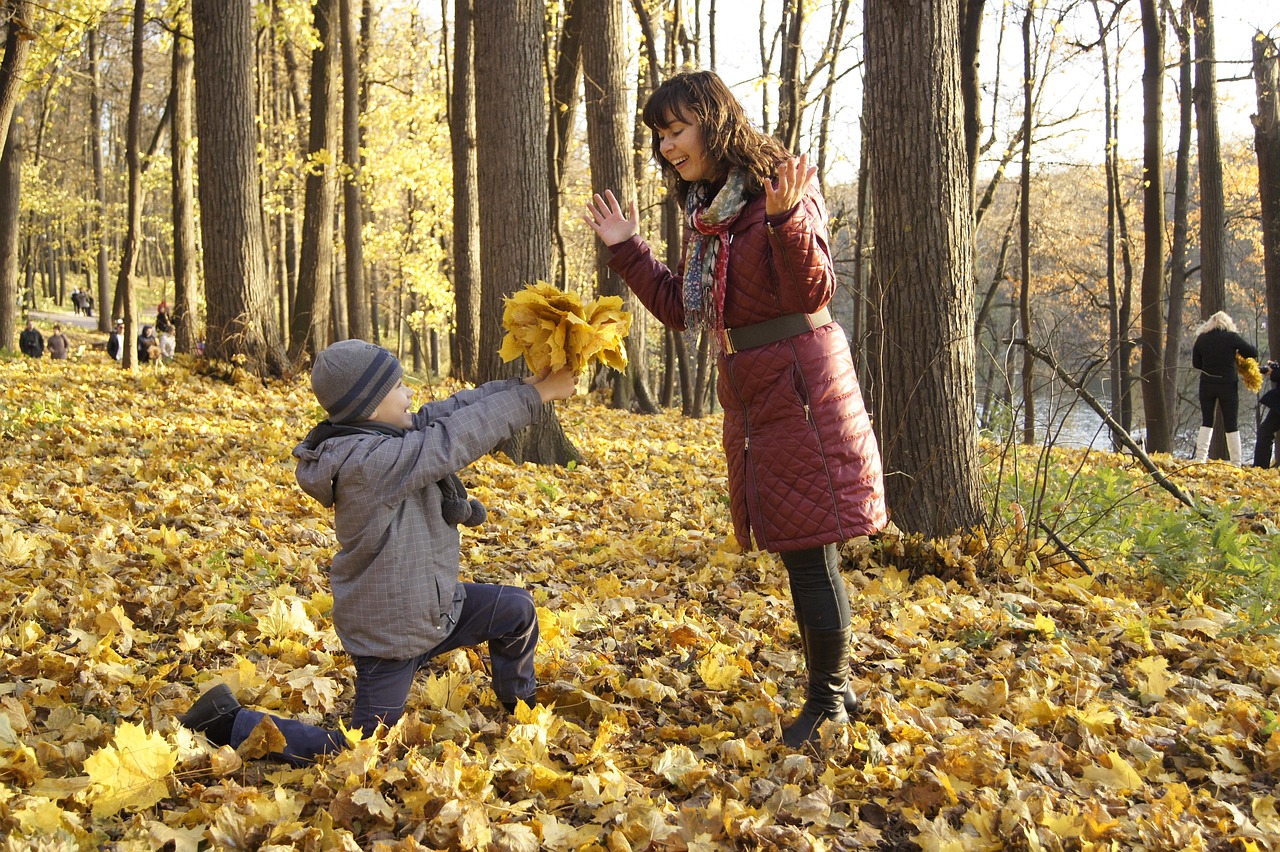
Caring for the earth requires not only our participation, but that of the generations after us. And the sooner that begins the better! So below are seventeen tips to help raise eco-conscious kids.
1. Lead by Example: Children learn more from what you do than what you say. If you trash edible leftovers, choose plastic-wrapped produce over loose, or drive to destinations a block or two away, this may become their norm. One of the best ways to help your kids become ecologically conscious and caring now and as adults is to live this way yourself.
2. Spend Time Together Outdoors: “The single most important thing you can do to make your child aware of the environment is to spend time in it with them,” says TV presenter and author Nick Baker.(1)
“Try to replicate the experiences you had as a child…. Treat it as family time, and let them be led by their curiosity. If they have a question about something that you can’t answer, look it up together.”(2)
3. Teach Respect for Nature: Our presence in nature can affect the health of the plants and animals around us. Teach your kids why staying on trails protects ecosystems, or why a closure due to migrating salamanders or nesting birds is important to respect. View natural online webcams that show the lives of different species.
4. Shop Wisely Together: Discuss how our buying choices affect the environment. Encourage your children to choose foods with less or no packaging. Consider where foods come from and the impact of shipping distances. Compare how sustainably different products are produced.
5. Put them on Your Recycling Team: Have your kids help wash, sort, and recycle household rubbish. Describe where it goes and why that’s better than the landfill.
6. Tap Their Imagination: Engage your kids’ creativity and work together to repurpose items that would otherwise be discarded. For example, might a cereal carton become a small doll house? Old work boots be reused as planters? Metal cans as pen and pencil jars?
7. Take Indoor Time for Eco Messages: Read books and watch documentaries, TV shows, and movies with ecological messages together. Ask what they think about these stories and facts, and discuss anything they become inspired to do to help protect nature.
8. Watch Your Home Energy Usage: Talk with your kids about how to save energy and resources at home. Teach them to turn lights off when leaving a room, to unplug devices when not in use, and moderate the length of showering and toothbrushing time.
9. Enlist Their Care for Plants & Animals: Whether it’s a pet, vegetable patch, or flowerpot, teaching children to help take care of a living thing builds both eco-consciousness and a sense of responsibility. You can even set up a rain barrel to collect water with which they can nourish the plants.
10. Pick Up That Trash: Make a habit of collecting and disposing of rubbish you see on outings together, or do regular litter pickup in your area with your children and their friends, using strong gloves, bins, and litter-picking sticks. You can even tally types of trash and look at how your community might reduce this.
11. Suggest Joining a Campaign: Kids’ involvement can bring more attention to environmental issues, and their views may be taken more seriously than those of adults. Kids fo Saving Earth, founded by eleven-year-old Clinton Hill, offers many ways kids can help improve Earth’s health. Many environmental organizations also have ways to involve children.
12. Go Clubbing: Your child’s school, local garden center, or environmental organization may have a gardening or environment club, or run special holiday activities where kids learn more about taking care of our planet.
13. Reduce Car Use: You may need to drive your kids to school, or have them take the bus, but if and when walking, cycling, or scooting is possible, do it as much as you can, even if ti’sjust once or twice a week. If you must drive, consider parking five minutes away so you can walk that last part together. You’ll reduce pollution, promote your child’s eco-consciousness and health, and even get to chat on the way.
14. Aim for Zero-Waste Lunching: Choose reusable bottles inste4ad of disposable juice cartons, and PBA-free plastic containers or beeswax wrapping for sandwiches and snacks. If trash remains in your child’s lunchbox, ask them to bring it home to recycle if there’s no recycling option at school.
15. Talk Trash: Often little ones are fascinated with garbage trucks, but know nothing about where it goes. Describe what happens to trash afte4ward and where, and how this impacts our planet. Teach them about recycling and the value of composting. An occasional trip to the dump can also drive home your child’s understanding of the scale of our waste challenges.
16. Seek Local Ambassadorship: Local community groups often welcome children to join in to keep the area clean, so check out opportunities to participate.
17. Create a Family Plan: Come together and discuss how your family can live more eco-consciously. Listen to your kids’ ideas and think about how you might work together on them.
(1) https://www.theschoolrun.com/how-raise-environmentally-conscious-child
(2) Ibid.
Additional Source: https://sustainableamerica.org/blog/8-tips-for-raising-eco-conscious-kids
Excerpt from the Fall 2023 issue of Health & Happiness U.P. Magazine, copyright 2023, Empowering Lightworks, LLC. All rights reserved.
 Health & Happiness U.P. Magazine