
Happy 2022!!
Health & Happiness U.P. Magazine
Your Leading U.P.-Made, Independent *Go-To* for Living a Healthier, Happier Life!

U. S. Poet Laureate Joy Harjo says, “If you do not answer the noise and urgency of your gifts, they will turn on you. Or drag you down with their immense sadness at being abandoned.”
Gifts are strange things. They come to us out of nowhere. Surprise and fill us with pleasure. There is power in unwrapping a gift. Beneath the bows and paper, in the darkness of the unopened box, anything could exist. A box of chocolates. Music box. Book. Tickets to Walt Disney World. Words.
Yes, words. Because I’m a poet, I have always believed words are gifts. Think of the word “cleave.” It can mean to “divide or split as if by a cutting blow.” But it can also mean to “adhere firmly and closely . . . unwaveringly.” In one word, there is both separation and connection, loss and love. That’s a remarkable gift.
The NEA Big Read involves organizations creating programming centered around the themes and ideas of one book. Part of that programming involves giving away copies of the chosen book to community members. A gift of words.
One of the options for the 2021-2022 NEA Big Read cycle was U. S. Poet Laureate Joy Harjo’s poetry collection “An American Sunrise.” Filled with cleaving (the removal history of Harjo’s people from their homelands) and cleaving (love poems for Harjo’s mother and husband and children), the book spoke to my artistic gifts.
So, I set about writing an NEA Big Read grant. I pulled together partnering organizations, contacted artists and writers, planned events—keynote addresses, poetry workshops, art exhibits, and a chapbook contest. I dreamed big. It was like writing a detailed, twenty-page letter to Santa Claus and dropping it in the mailbox.
The dream was simple in concept: to build bridges. I wanted to highlight the history, culture, and contributions of indigenous peoples. Through Joy Harjo’s words, I hoped to create a dialogue across the Upper Peninsula and bring people together. Using poetry as a vehicle, my NEA Big Read dream would hopefully be a catalyst for cultural understanding and change.
A noisy, urgent gift, as Joy Harjo says. And I followed Harjo’s advice: I didn’t ignore that gift.
Several months after sending off my “letter to Santa,” I received an email one morning from Arts Midwest, the organization that administers the Big Read program for the National Endowment for the Arts. That email had one word in its subject line: “Congratulations.” I sat in my office for a few moments, feeling a lot like a kid on Christmas morning, knowing that my dream had become reality.
As I sit writing this article, I’m approaching the final weeks of programming for the NEA Big Read at Peter White Public Library. Over the past month, I’ve heard the Teal Lake Singers Drum Circle perform. Listened to poets and scholars and teachers of Anishinaabemowin. Soon, I will have the opportunity to speak personally with Joy Harjo, listen to her read her poetry, ask her questions.
However, the path to my NEA Big Read dream hasn’t been without its share of struggles, personal and professional. Sickness occurred. Scheduled speakers became unavailable. Loved ones passed. Events needed to be rescheduled or completely reinvented at the last minute. Big dreams are like that. They rearrange themselves like waves rearrange a shoreline.
Paying attention to your gifts (no matter what they are) isn’t just important. It’s necessary and life-sustaining. Sharing those gifts and dreams with others can be a powerful force for good in the world at large.
One of the events of the NEA Big Read was a three-day poetry chapbook writing competition. Participants were given a list of eighty writing prompts to spark their creativity. One of the writing prompts was this:
Make a list of things you want to do today. Let your imagination run wild with the list, accomplishing impossible things.
Try it right now. Make that list. Dream big. Dream impossible. Use your gifts. Make the world a better place.
Martin Achatz is a husband/father/teacher/poet/dreamer who lives in Ishpeming. He is a two-time U.P. Poet Laureate and teaches in NMU’s English Department. He also serves as the Adult Programming Coordinator for Peter White Public Library, where he recently organized and ran the NEA Big Read.
Excerpted from the Winter 2021-22 issue of Health & Happiness U.P. Magazine. Copyright 2021, Empowering Lightworks, LLC. All rights reserved.

Wishing you and yours a most wonderful holiday season!!


Wishing you and yours as very healthy and happy Thanksgiving!

Click here for a Central or Western U.P. distribution location near you!

To help boost your immune system, eat foods high in antioxidants. Your immune system depends on the intake of micro nutrients from food which can act as antioxidants. Antioxidants can destroy free radicals, protecting the structural integrity of your cells and tissues. Eating a whole-foods, organic, nutrient-rich diet is your best defense to stay healthy and boost your immune system.
The best antioxidant food you can eat is brown rice. It’s a complex carbohydrate, giving you energy, high fiber, and lots of free radical-destroying antioxidants, such as vitamin E, B vitamins, gamma-oryzanol, alpha lipic acid, glutathione oeroxidase, superoxide dismutuse, coenzyme Q10, proanthocyanidins, lecithin, and IP6 (inositol hexaphosphate). The important thing to remember is that all of them help your body create a strong immune system. Black rice is a type of brown rice that is even higher in antioxidants because of it dark color. The pigment that creates the dark color is called anthocyanin which helps protect cells against damage-reducing inflammation, and can help reduce your risk of cardiovascular disease also.
Both broccoli and sweet potatoes are high in vitamin C, which also helps boost your immune system. The whole grain corn contains vitamin A, which helps regulate the immune system and protects against infections by keeping the tissues and skin healthy.
The strongest anti-inflammatory food you can consume is turmeric. It contains co X-2 inhibitors ,which are natural pain relievers and a natural remedy for arthritis. Turmeric enhances the digestive system, contains strong antioxidants, and also has antiseptic and anti-bacterial properties. In the salad recipe below, the garlic gives the dressing a wonderful pungent flavor that complements the bitter, spicy flavor of the turmeric. And garlic has been used in herbal medicine for thousands of years because of it strong antifungal and antibiotic properties.
3/4 cup short grain brown rice
1/4 cup black rice
2 cups water
2 scallions (thin slices)
1 cup corn
1 cup peas
2 cups broccoli (cut up)
2 cups sweet potato (peeled and cut in cubes)
Dressing:
2 garlic cloves (minced)
2 T. olive oil
2 T. tamari
2 T. brown rice vinegar
2 T. brown rice syrup
1 T. fresh grated turmeric root (or 1 tsp. dried turmeric)
1/4 tsp. sea salt
Put the brown rice, black rice, and water in a pot. Bring to a boil for a couple of minutes. Reduce heat to low, and simmer with lid on for one hour, until all water has been absorbed. Remove from heat and let sit 5 minutes. Put the rice in a large mixing bowl. Add the corn and peas. The hot rice will lightly steam them. Set aside to cool. Steam the sweet potato until fork tender, approximately 10 minutes. Steam the broccoli until fork tender, approximately 7 minutes. Put all dressing ingredients in a food processor and puree until well combined. Mix the steamed broccoli and sweet potato, scallions, and dressing all together in the mixing bowl. Serve warm, room temperature, or refrigerate and serve cold.
Chef Valerie Wilson has been teaching cooking classes since 1997. You can attend virtually including a special class through Peter White Public Library on 6/15/21. Visit http://www.macroval.com for schedule, cookbook purchases, phone consultations, or radio show, and follow her on Facebook at Macro Val Food.
Excerpted from the Fall 2021 issue of Health & Happiness U.P. Magazine. Copyright 2021, Empowering Lightworks, LLC. All rights reserved.

We all want our exercise to be effective: we want it to be good for us, to improve our health, to make us stronger, inside and out. When choosing a way to exercise, we are presented with many options that take a “no pain, no gain” approach. This philosophy asks us to override discomfort. It asks us to ignore messages from our body.
Some disciplines, like yoga and Pilates, are described as “mindful movement.” In exercise like this, we are asked instead to listen to our bodies. Listening to our bodies does not mean backing off from hard work. Instead, it means finding options within different kinds of exercise that are effective without being detrimental. When we listen to our bodies, we try something, continue if it feels like good work, and cease if it feels uncomfortable or painful. This is key to effective exercise without injury. You really can work hard without feeling pain if you listen. Your body will tell you what it needs.
But to listen to your body, you need to respectfully acknowledge exactly what is there, in that moment, from head to toe. A truly effective approach to exercise begins with accepting your body in its present form. If you’re not fully and respectfully acknowledging a part of you—it’s shape, size, strength, or ability—you can’t listen to it. You can’t hear important messages about what it needs to get stronger and healthier without getting injured.
Our culture can make it incredibly difficult to be accepting of our bodies. As an instructor, I heard a lot of reasons exercising. Often, women told me they “are sick of having this belly,” or “hate this jiggle on my hips.” They’re in my class to “fix” the parts they’re having a hard time accepting.
But if we deny the shape or size of a part of us, we deny its right to speak to us. When we combine this lack of acceptance with a “no pain, no gain” philosophy to exercise, we are much more likely to hurt our bodies than help them. If we accept our bodies for the beautiful, amazing, complex, organic machines they are, and then listen to them, they will tell us exactly how to gain without pain.
The next time you exercise, practice listening. Start by drawing all of your attention to your body. What does the top of your head feel like? Your jaw? Neck? Shoulders? Keep going until you get to your toes. You may want to do this every time you reach a certain common point in your exercise—every time you come back to Mountain Pose in a yoga class, every time you change exercises during weightlifting, etc. You can even do this during movement. Check in with yourself at regularly timed intervals during your morning walk or run.
When you get used to listening to your body during these moments, it becomes easier to listen during exercise. Pay attention to what each movement does to your muscles, joints, breath. Listen hard, respect your body, and back away from movement that causes pain. Stick with what feels like good, hard work, and nothing else. Your body will thank you.
Reprinted with permission from Health & Happiness U.P. Magazine’s Winter 2009-2010 issue.
Heidi Stevenson is a lifelong Yooper, save for two years earning a PhD in Pennsylvania. She is a former NMU professor, writing center director, group fitness and yoga instructor, and a current wrangler of house cats, autoimmune diseases, and ideas.
Excerpted from the Fall 2021 issue of Health & Happiness U.P. Magazine. Copyright 2021, Empowering Lightworks, LLC. All rights reserved.
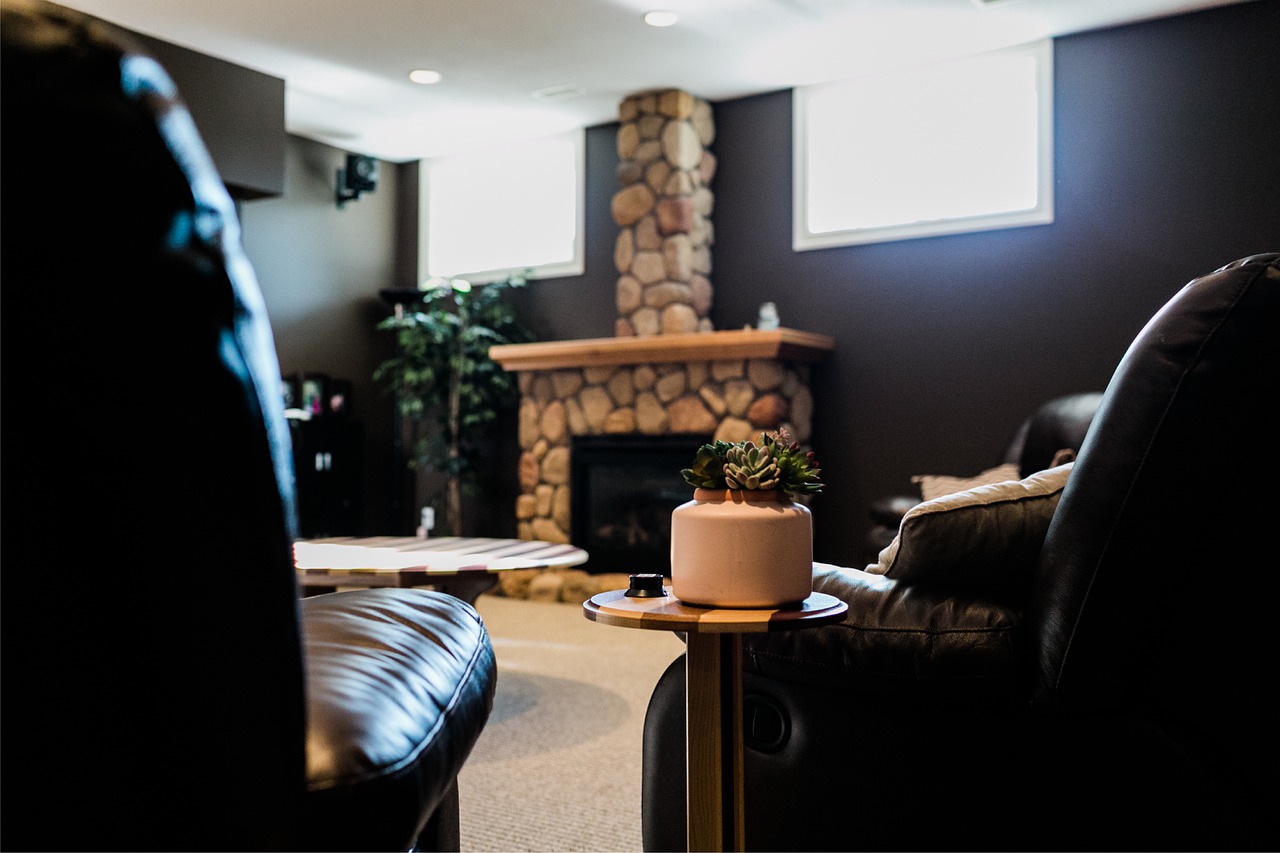
Radon is a naturally occurring radioactive gas that results from the breakdown of uranium in the ground. This odorless, tasteless gas can enter your home through cracks in the foundation, sump pumps, drain tile, floor-wall joints, exposed soil in unfinished basements, and well water. Before cooler weather brings you indoors more, you may want to test your U.P. home for unsafe levels of radon. Let’s explore why.
Radon doesn’t pose a significant risk outdoors because it quickly disperses into the atmosphere. The real threat arises when radon gets stuck inside a tightly sealed home, causing an unsafe gas accumulation. Radon is only implicated in one adverse health effect, but it’s a biggie-the EPA reports that radon gas is estimated to cause roughly 21,000 lung cancer deaths each year in the U.S. alone. How Common is Radon in the Upper Peninsula? Radon can be present in any type of shelter, home, or structure. In general, the Upper Peninsula is at medium to low risk for radon. But that doesn’t mean your home couldn’t have high radon levels. Some areas of the U.P. are at a higher risk for radon exposure than others.
1-9% of homes tested exceeded safe radon levels in Baraga, Keweenaw, Ontonagon, Luce, and Schoolcraft County.
10-24% of homes tested exceeded safe radon levels in Alger, Chippewa, Delta, Gogebic, Houghton, Marquette, Mackinac, and Menominee County.
25% or more homes tested exceeded safe radon levels in Iron and Dickinson County.
Radon is like an underwater spring – it covers a wide area but only exits the ground in a few key spots. Because of this, you can’t depend on test results from other homes in your neighborhood to determine what your home’s radon levels are.
If you are currently experiencing any of these symptoms, be sure to schedule an appointment with your health care provider right away. However, there’s usually a significant delay (often years) between exposure and signs of illness, so it’s wise to be diligent in monitoring for signs.
When it comes to testing for radon in your home, you have two options. The first is to purchase an at-home test kit. While a home radon monitoring device is not as accurate or precise as professional radon testing, it’s an excellent starting point. The second option is to hire a local home inspector to conduct a radon test. Professional testing typically involves a 48-hour sampling period during which the equipment is left in your home for monitoring.
If a radon test reveals unacceptable levels of radon in your home, standard procedure is to confirm these findings using different equipment. Radon levels can also fluctuate significantly with the seasons. For these reasons, I often encourage people to invest in home monitoring equipment first. Then, if you notice a pattern of high radon readings, you can call in a professional for confirmation.
Ultimately, the way you choose to test for radon is up to you. Whether you choose to hire a professional or use an at-home test kit, the important thing is that you’re testing one way or another.
If you find unsafe radon levels in your home, try implementing the following mitigation strategies:
If these measures don’t work, contact a professional radon mitigation company to assist you.
The bottom line is this: Radon is easy to test for and easy to prevent. If you can’t remember the last time your home was tested for radon, now is the time to make it a priority.
Rich Beasley is an InterNACHI Certified Home Inspector and owner of UP Home Inspection, LLC. He holds over a dozen specialty certifications, including Mold Inspector, Radon Tester, Water Quality Tester, Indoor Air Consultant, and many more.
Excerpted from the Fall 2021 issue of Health & Happiness U.P. Magazine. Copyright 2021, Empowering Lightworks, LLC. All rights reserved.

I have experienced some wonderful rescue animals in my home over the years, and have great memories of all of them. It seems to be my “thing,” and I wouldn’t have it any other way. They are deserving of all the love and care they can get, especially since most of them have come from an abuse and/or neglect situation. Thank goodness there are now more no-kill shelters than ever before. There are also animals that are victims of circumstances when an owner has died. These often aging animals end up with other family or friends if they’re lucky, or a shelter situation if they’re not.
So here are some points to consider.
Please make sure you and your family are absolutely ready to commit to a lifetime of love and care for the animal you adopt. This includes medical care. If you are not 100% sure you are ready to adopt, you might consider fostering first. This way you get an idea of what it will take to care for the animal, and also get some guidance from a shelter along with veterinary care while the pet is with you. You might end up as a “foster fail” because you’ve fallen in love with the pet and wish to have it in your home for the rest of its life. This happens a lot, and is not a bad thing!
Prepare your home for this new addition. Pet proofing your home is important. Keep hazardous items out of reach. Remove loose cords or cables. Safely store medicines, cleaners and chemicals out of reach. Remove poisonous plants and anything that could potentially be chewed and/or swallowed.
You are coming together typically not knowing much, if anything, about the animal’s past. If you are able to learn something, that’s a bonus! Time will be needed to get to know each other. Remember, typically the animal has come from a shelter or rescue situation, so it will likely be nervous, confused, anxious, scared, sad, bewildered, etc. Imagine how you would feel if you were in this animal’s position!
The first week is often the most challenging but also a wonderful discovery period. Your new pet needs some structure and guidance on what you expect from it, including where it will sleep, nap, eat, play, and so on. As you get through each day, you will learn more about each other. Don’t expect everything to go smoothly. It takes time to become familiar with each other and get into a routine. The animal needs time to adjust and warm up to you and your family, so give it space but also give love and attention. Pet, groom, and play with your pet. Providing a pet bed in a quiet area or crate creates a safe space where it can relax.
If you have other pets in the household, give them time to gradually get to know each other. Avoid forcing them to be together. Let this happen slowly, cautiously, and always with supervision!
Setting boundaries to stay off furniture and counters or teaching basic commands such as sit and stay are important from the start. If you have a pet with bad habits, or just have trouble with training on your own, there’s an abundance of trainers out there to help for a fee.
If you know the breed of the dog, it can be helpful to study about that breed to help you understand its character traits better.
Some frustration with the new pet is inevitable. Patience and time are needed to get through this first phase. You can do it!
Jenny is a Certified Natural Health Consultant for pets and their people, and a Healing Touch for Animals (Level 2) and NES BioEnergetics Practitioner. Consultations are done over the phone and through email. To contact, call or text (906) 235-3524 or email 1healthlink@gmail.com.
Excerpted from the Fall 2021 issue of Health & Happiness U.P. Magazine. Copyright 2021, Empowering Lightworks, LLC. All rights reserved.
 Health & Happiness U.P. Magazine