Bodies in Motion: Embodying Empowerment by Becoming More Active in Life, Crystal Cooper

reclaiming our power, physical fitness and overall well-being, U.P. holistic business, U.P. wellness publication

We are in a pivotal time for actively reclaiming our power.

At this decisive point in human history, we have the opportunity to change our direction for the benefit of all. As our current circumstances require, we (at the time of this writing) stay inside our homes and are likely pondering the future. Within this time, we may find a new, ironic sense of liberation. By embracing the need to live more self-reliantly and sustainably, we naturally become more active. By becoming more present in our bodies, rather than trapped in our minds, we can empower ourselves to relieve stress, find calm, restore vitality, and regain our sovereignty.

Though our minds may be full of uncertainty and confusion in these changing times, our bodies know very well what we genuinely need—to live in a comfortable and safe place, eat nourishing food, drink clean water, breathe fresh air, exercise regularly, and get adequate deep rest. The possibilities for revolutionizing our lives may be infinite; however, they all have something in common—action. The action required may vary from meditation on emotional health to intense physical training and more, as everyone’s story will be different. Our authority comes through deciding to make beneficial moves in our lives. By focusing on what we can take action on, energy moves and frustrations neutralize.

By merging creativity, mindfulness, and curiosity, adaptations on movement are vast.

Experimenting with different modalities, as well as developing one, are both admirable approaches for getting mobile. One ancient, well-loved physical practice is hatha yoga. This physical branch of yoga unites the mind and breath with the body through a flow of poses. Both restorative and strengthening, it can prevent injury and support longevity. There are many styles of yoga, making it accessible for all. Another traditional system of coordinated body postures is qi gong, which also focuses on the harmony of meditation, breathing, and movement. Its central tenet is the balancing of energy. It is also a basis for martial arts training. Deep healing can be found within these methods, supporting many other areas of life.

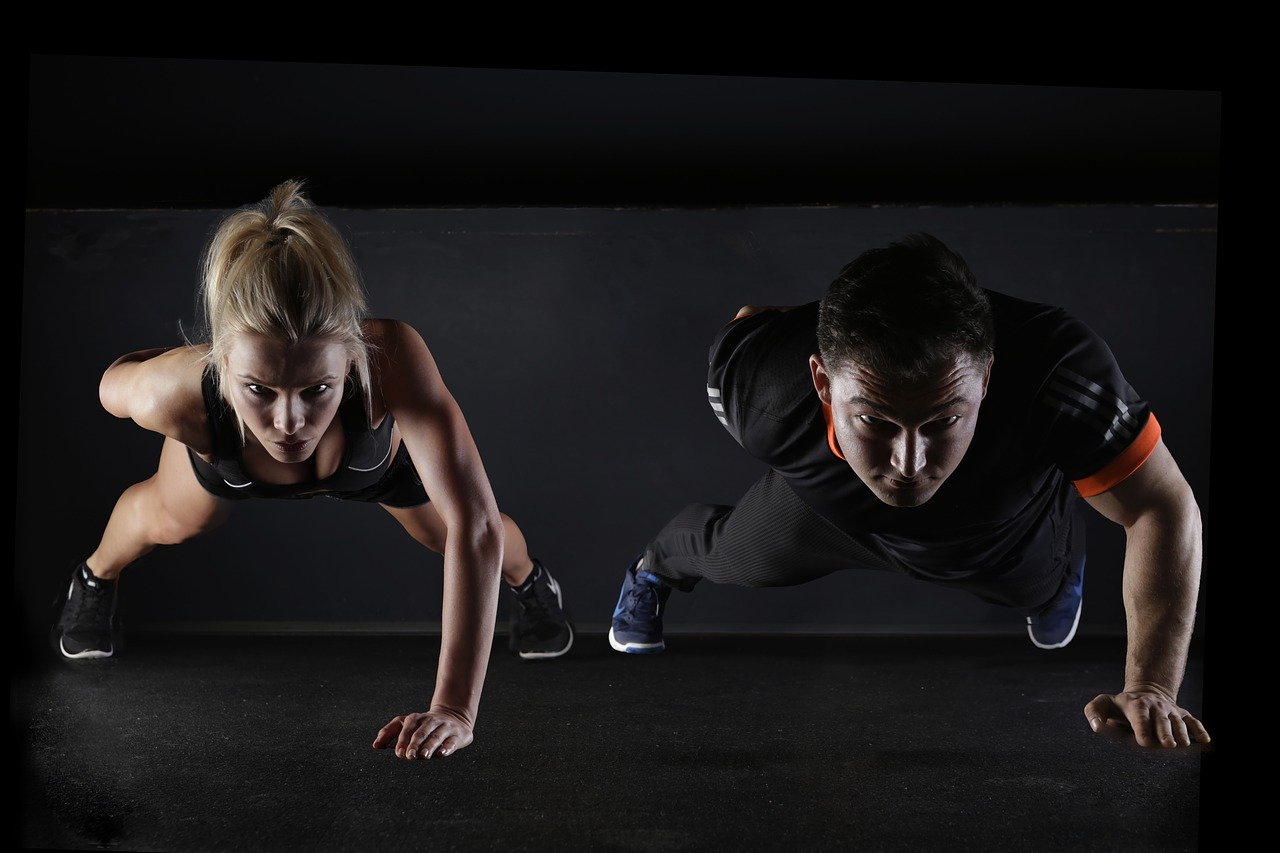
When sheltering in place, or maintaining some restrictions, the significance of moving what we can may become more apparent. Deep breathing, getting the blood flowing, and heating up the body cleanses energy and provides grounding. Fast, exciting activities such as running, bouncing on a trampoline, juggling, and dancing can shake up sluggish outlooks. Strength training, working the whole body, and building muscle can help maintain focus when reality appears chaotic. Physical restrictions can inspire us to focus on what we can do and to creatively employ those abilities. Using our bodies for enjoyment, as simply or indulgently as desired, cultivates peace and exercises our freedom.

We can continue to expand our ingenuity to other, more outward necessities of life. For example, reinventing our transportation can be as simple as walking with a backpack, or as inspired as an electric-assisted bicycle equipped with a solar charging battery and storage racks or luggage cart. By returning to more manual forms of labor, we can supersede convenience by reconnecting with quality skill-building. As we reconsider tasks-at-hand during this time, a plethora of creative problem-solving abilities may be unleashed. To regain the impetus to chop wood and carry water, symbolically or literally, is good work. In mastering one’s actions, the lines between training, work, and play may blur.

reclaiming our power, physical fitness and overall well-being, U.P. holistic business, U.P. wellness publication

Actions such as cultivating our own energy and entertainment, growing our food, and riding bicycles run counter to the practices of the ever-consuming capitalistic economy our society has relied upon, thereby becoming acts of empowerment that resist the old status quo. By focusing inward and nurturing our connection with our bodies, opportunities abound for finding the clarity we need to move forward in harmony and inner sovereignty. Mindful activity is medicinal for our well-being and can also be more sustainable for Earth. And because we are nature and are not separate from it, healing our connection with ourselves simultaneously heals a part of human relationship with Earth.

Regaining control and becoming strong in one area of life can often translate to others.

When you can hold your own on the mat, the trail, or simply within a stressful situation, confidence is built that can be utilized in trying times. By moving through life with a more mindful focus on the body, rather than the mind, toxic stress has less of a chance to build up and create long-term negative effects. This is great for the immune system, and helps foster a more positive mood. Working with this perspective one day at a time can build momentum toward a more instinctual, spirited way of existing.

Each person’s movement will look different; however, the magic is in the sum of the parts, in people coming together. The cornucopia of abilities and resources of a united community creates a powerful, ever-evolving entity. The mightiest feats we can accomplish in the world begin with the work we do individually to dream and create and act from an inspired place. In solidarity with our communities and on massive scales, this intention could help humanity move in a healthier, more harmonious, and unified direction.

Crystal Cooper has called Marquette and the northwoods home for over a decade. An NMU graduate in biology ecology, she enjoys studying plants and writing. Passionate about natural healing modalities as well as personal and global sustainability, Crystal advocates yoga and other resiliency-promoting actions within the community.

Excerpted with permission from the Summer 2020 issue of Health & Happiness U.P. Magazine. Copyright 2020, Empowering Lightworks, LLC.

Senior Viewpoint: Nutrition Essential to Fighting Infection, Dr. Conway McLean, DABFAS, FAPWHc, FAMIFAS

nutrition, infection prevention, senior health, U.P. holistic business, U.P. wellness publication

The attention devoted to sickness and health is omnipresent these days, and with good reason. The pandemic is filling the airwaves and prompting fear in the hearts of many. What we need is accurate information, smart practices. This is where the knowledge of the physician specializing in infectious disease, one who knows the immune system intimately, can be invaluable.

So what specifically is the immune system? It’s the part of the body devoted to fighting off invading micro-organisms that are a part of our world. The complexity and effectiveness of our immune system is nothing short of staggering.

What are the functions of the immune system? This system is critical for survival. Our immune system is constantly alert, monitoring for signs of an invading organism. The immune system functions to keep us free of infection, be it through the skin, a skin structure, or our intestinal lining. Cells of the immune system must be able to distinguish self from something else, i.e. “non-self.”

By now it is well-recognized the COVID-19 virus is more dangerous in the elderly.

A decline in immune function is consistently observed among older adults. Aging is also associated with increased inflammation in the absence of infection and has been found to predict infirmity. The result is seniors are more susceptible to infections and have more serious complications when they get one.

The term for this decline in immune function is immunosenescence. It reflects the deterioration of both components of the immune system—the acquired and the innate. The innate system is the ‘first responder’ to an alien invasion (of a microbe). The cells of the innate system act quickly, but are not specialized. The innate system is generally less effective than the adaptive immune response. The adaptive response is able to recognize a specific invading organism and remember it later, if exposed again.

Scientists specializing in the role of macronutrients, micronutrients, and the gut microbiome are convinced they all play a critical role in the functioning of our immune system. It turns out to be an incredibly complex system, with a multitude of factors and variables. Up until recently, we knew next to nothing about our gut bacteria and its complex interaction with our health and immunity. We do know one crucial part of gut health, not surprising, is our diet. But there are many ways to optimize the effectiveness of our immunity.

Your nutrition can affect the microbes residing in your guts, directly altering your immune response.

The  microbial community in the mammalian gut is a complex and dynamic system, crucial for the development and maturation of every facet of our immune response. The complex interaction between available nutrients, the microbiota, and the immune system seems to be the most important ‘player’ in the fight against invading pathogens.

What does it take to have a healthy immune system?

We know well many micronutrient deficiencies have been identified as contributors to declining immunity. It is believed these could provide opportunities for directed therapies for potentially restoring immune function, creating better health through improved nutrition.

nutrition, infection prevention, senior health, U.P. holistic business, U.P. wellness publication, health benefits of yogurt

Some proffered recommendations: eat yogurt for breakfast! Apparently, the probiotics strengthen the immune system, as revealed by a study on athletes and their colds and GI infections. Yogurt is also rich in vitamin D, which also boosts your immune system.

Vitamin C is well-recognized as an extremely important part of an effective immune system, and a deficit can make you more prone to getting sick. Because your body cannot store it, daily intake is essential for good health. Foods rich in vitamin C include oranges, grapefruits, strawberries, bell peppers, spinach, kale, and broccoli.

Vitamin B6 supports many of the reactions that are integral to immune function. Foods high in B6 include chicken and cold water fish (e.g. salmon and tuna), and green vegetables. Another important vitamin for fighting infection is E, which is a powerful antioxidant. Foods rich in vitamin E include nuts, seeds, and spinach.

nutrition, infection prevention, senior health, U.P. holistic business, U.P. wellness publication, benefits of tea for immune system

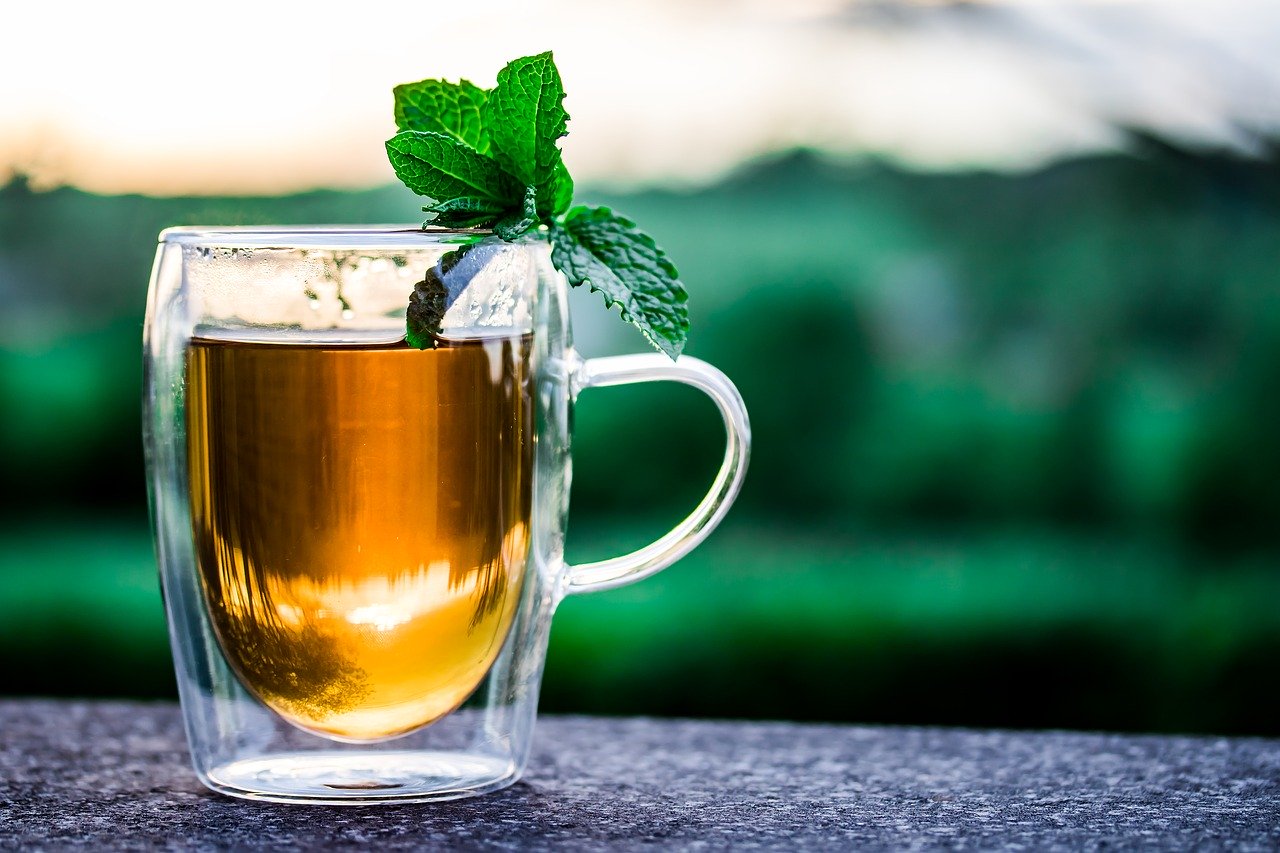
Some people think of tea as something consumed in the movies, yet studies reveal alkylamine, a naturally occurring chemical in tea, strengthens the immune system, again, helping it fight off infection more effectively. Honey has centuries of use because of its medicinal properties. Numerous reviews find honey, an antioxidant, acts as a natural immunity booster. So you might want to add it to your tea for both flavor and health benefits.

Another suggestion made by researchers is to eat more garlic, since it seems to stimulate many different cell types essential to the immune system. Ginger, another powerful antioxidant, has antiviral properties, probably a good idea these days. Consume more lemon. Lemon juice is high in vitamin C, and can be used for its antioxidant properties and to prevent the common cold.

nutrition, infection prevention, senior health, U.P. holistic business, U.P. wellness publication, health benefits of chicken soup

How about a bowl of chicken soup? Thought by some to simply be a comfort food, the dish has a mild anti-inflammatory effect. Ingredients in the classic recipe (chicken, garlic, onion, celery, etc.) have been found to slow the migration of white blood cells into the upper respiratory tract, helping to relieve the symptoms of a cold. Additionally, a compound found in chicken soup called carnosine seems to prevent colds. How about a nice bowl of curcumin? This is a component in the spice called turmeric. Studies have shown curcumin helps to regulate the immune system.

Zinc is known to be an important micronutrient for the immune system. Even a mild deficiency in zinc has been associated with widespread defects in the immune response. Look to fish, seeds, nuts, and broccoli as good food sources. Selenium is a trace element that also has critical functional, structural, and enzymatic roles. Inadequate selenium is associated with a higher risk for a variety of chronic diseases since it is critical to immune function. Foods containing higher levels of this mineral include spinach, lentils, eggs, and fish.

Some recommendations for immune health are related more to lifestyle modifications.

Make workouts a part of your weekly regimen since regular exercise increases the activity of immune cells. Exercise also seems to flush bacteria out of your lungs, reducing the likelihood of an airborne illness. Experts suggest moderate levels of intensity, performed 4 to 5 times a week for 30-40 minutes.

Staying hydrated is required for immune health. Water helps your body produce lymph, which carries white blood cells and other immune cells. Sun exposure is important (although difficult in certain climes) since it is the most efficient way to stock up on vitamin D, an immune system supercharger. Surprisingly little is needed, just 15 to 20 minutes a day, to get the recommended dosage.

Getting the flu shot can improve your immune profile, and has been approved for all adults. Smoking suppresses the immune system generally, so quitting helps lower the risk of infectious disease. Smoking also damages the lining of our “windpipes,” explaining why smokers are much more likely to catch a cold virus.

Because of their effectiveness, nutritional therapies should be getting prescribed in the typical medical practice, though this has been rarely and inconsistently recommended. This therapeutic approach should be utilized more consistently in those demonstrating poor immune function, as well as healthy populations.

Our understanding of the risk factors for immune system dysregulation is far from complete.

We can say definitively that adopting these and related strategies will optimize your chances of reducing or delaying the onset of immune-mediated acute and chronic diseases. In summary, I would say, you have a road map. Your course of action, a plan for better health, can now be laid. Perhaps it is time for positive changes in your routine, and thereby your health. Though giant steps are hard to take, small ones require only a step, and if taken in the right direction, lead to the larger changes you choose.

Dr. Conway McLean is a physician practicing foot and ankle medicine and surgery in the Upper Peninsula (Marquette and Escanaba). McLean is triple board certified in surgery, wound care, and orthotic therapy. He has lectured internationally on many topics. Dr. McLean welcomes questions at drcmclean@outlook.com.

Excerpted with permission from the Summer 2020 issue of Health & Happiness U.P. Magazine. Copyright 2020, Empowering Lightworks, LLC.

Are We in “The Sedona of the Midwest”?

Sedona of the Midwest, U.P. as midwestern metaphysical hub, U.P. holistic wellness publication

Perhaps you’ve heard talk of Marquette or the U.P. in general being referred to as “The Sedona of the Midwest.” Over the last four or so decades, Sedona, Arizona has become widely known for the healing power of energy vortexes found in nature there, drawing healers, those seeking healing, and those simply curious about it to the area. Is it just idle talk that something similar is happening here in our northern climes, or is there something more to this idea? We spoke with some U.P. residents and asked them to weigh in on the topic.

Dar Shepherd: I’ve heard that before. Sedona is Sedona, and Marquette is Marquette. Both are so strong in the beauty of the natural elements. When I was living in Sedona, I’d go in the grocery store, and come outside, and take a breath, just because of being in this bowl of the red rocks. It’s gorgeous. It’s stunning. Here, I can see the lake right out my window, and then, of course, there’s walking Presque Isle. For me, they’re equal in the energy of the beauty.

The energy is palpable in both places. The feeling I get in Sedona—it’s wonderful, big energy, and the same is true of my experience here in Marquette. The people who are drawn to that are artists, writers, and people who are drawn to nature. And it might be easier to feel that inner being in places like these.

I spent two-and-a-half years in Sedona, and the majority of the last 40 years here in the U.P. and there are definitely more yoga classes, more healers, more natural medicines, more galleries, more focus on the arts and authors now than before….” As for the vortexes, “The vortex is within you.

Mary Alice Silverthorn: I moved here about two-and-a-half years ago from Eugene, Oregon. I really didn’t know what to expect, coming from the West Coast. When I came and started investigating all the holistic offerings and spiritual offerings in the community, I was beyond surprised! This is a community that has people doing cacao ceremonies, which I had never even heard of before, 5 or 6 acupuncturists, 3 or 4 cranio-sacral therapists, channeling… Per capita, this place has more in terms of holistic, complementary care, and alternative, metaphysical groups. So, I was and am still in awe of what we have here relative to the size of the area. I would compare it to Sedona because of that holistic metaphysical interest in the area.

Some of the deciding factors for my move were this very nice, huge co-op, and picking up Health & Happiness there and seeing all that’s offered here. It’s amazing. It’s a very healing environment. Looking at Health & Happiness’s directory, seeing just the sheer amount of people doing holistic, sacred work—this might be the place with the greatest number of healers per capita. I don’t say it lightly, having lived in over a dozen different places, and traveling as well. You don’t necessarily expect holistic offerings all the time in a smaller city. We have so much here. I didn’t want to go somewhere where I didn’t have access to holistic healing, integrative healing. Even the doctors here—there are Doctors of Osteopathy working with herbs. That’s not common for a place of this size.

The other piece is the land itself.

Coming from the West Coast, where I’d see the ocean about a couple of times a month, there’s something about Lake Superior, especially the southern shore, that I think is very sacred. I think the exposed rock, the Black Rocks, perhaps the oldest exposed rocks in the world? There is something very special and grounding about them. And going and seeing them, but also just being on the shores of Lake Superior. In this area, unlike where I lived in northern Minnesota, you can go, you can swim. There are sand beaches. It’s not only beautiful and wild, it’s also accessible. It’s welcoming. Of course, you have to be respectful of Lake Superior, just as in Sedona you have to be respectful of the mountains. This wild, sacred, grounding energy—every time I leave and come back, I just give this sigh of relief. And Lake Superior is here, and Mother Earth is exposed.

I’ve not been to Sedona yet, but I’ve lived all around—Lower Michigan, South Carolina, Colorado, Oregon, California, Minnesota, and in various locations throughout those states, as well as Moscow, Russia. The people here are the most welcoming and heart-centered that I’ve ever experienced. There’s definitely major heart energy in this area.

I’m in awe of it, and I could see it being the Sedona of the Upper Midwest with the benefits of it not being commercialized, as I hear Sedona is. It’s still very pristine and sacred.

When I visit cities, I always check out the co-op, libraries, thrift stores, holistic businesses, and rock shops. I think we could even compete with some of the bigger, more well-known cities. In Eugene, I couldn’t find a reflexologist. We’ve got three or four here. We should be known not only for our nature, our trails, but also for the healing arts.

I would also say eventually, and maybe sooner than later, this will be a hub for healing where people can come from afar for a week or two for deep spiritual healing from the nature that we have.”

Cindy Engle: I think it’s the draw of the Lake, and being nestled in the kona dolomite (a pinkish local rock), and the rock cuts, and the Black Rocks—it’s all part of why it’s pinpointed here, I believe. I definitely enjoy talking with NMU students who come up here, and get attached to the lake, and can’t leave. I was thirteen when we moved up here. I got out the car, walked into the little cabin we were renting, and said, “I’m home.” I knew immediately that this was my place in the world.

I think we definitely have a huge conglomeration of talent drawn to this area, drawn to the lake…

Jake Hulce: I haven’t been to Sedona, but if you’re looking for a place with a lot of different energies to it, the U.P. is an amazing place. It’s extremely unique. We have a good diversity of minerals that’s kind of unique to the entire world. The copper in the Copper Country is specific to it—there is no other copper in the world that has the same chemical make-up. That’s why you find places like the Keweenaw vortex and stuff like that up there.

The U.P. has a lot of magic spots in the forests…. It’s a very interesting place energetically. You also have the Great Lakes. The entire Lake Superior shoreline is amazing.

The Keweenaw is one of my favorite places. With work, I was able to get to every corner of the Keweenaw. The copper gives the Keweenaw a very unique energy signature. Copper is a conductor—it holds energy, draws energy, transfers energy, moves energy. If you travel up the west side of the Keweenaw on M-26, you’ll hit a few little towns—Eagle River, Eagle Harbor. If you spend some time on that road, go to the roadside parks there, and face out over Lake Superior to the west, you have all the copper in the ground behind you, the energy of the lake in front of you. That whole west side of the Keweenaw is an incredible place.

Then there’s Kitch-iti-kipi near Manistique with underground natural springs that have formed a small lake of pure clean, clear water coming up at 500 gallons/minute. That place holds a lot of significance to it energetically.

Groundwater is purified by Mother Earth. It’s a natural life spring, life well.

Even in the Bible, the living waters are mentioned. Jesus talks about their being energetically clean because they’ve been purified by the earth. A lot of them have been untouched by man.

Menominee County has a huge vein of gold in the ground. Gogebic County has uranium, which only a few places in the world do.

There’s dense forest up here. Many animal spirits reside in these woods, in state forest and county forest land. Communing with nature out there is absolutely amazing. We have thousands and thousands of acres that nobody touches. The footprint of man in some of these places is actually extremely small. If you want to get out, commune with nature, the U.P. is the place to do it.

From a metaphysics standpoint, lots of these county and state parks are the most energetic.

They hold the most spirit to them. That’s why even those who aren’t consciously spiritually in tune are still drawn to them because their spirit knows this.

As for crystal mineralization, the Seaman Mineral Museum at Michigan Tech is open to the public five days a week. It’s all minerals from the U.P.—there’s dozens and dozens and dozens of examples of quartz and fluorite. The U.P. has an immense amount of clear quartz, and white quartz, and some low-grade amethyst.

Then there’s Lake of the Clouds toward Ontonagon. You can go up on some of the big hills we call mountains, and there’s incredible views. The Copper Country has Brockway Mountain. You can see for miles, and miles, and miles. On a clear night in the summer, the stargazing is phenomenal. You can see the whole heavens. Anyone who wants to commune with nature, commune with stars, that’s the place to be. And it’s already a park.

The rivers talk in the U.P. The water spirits up here are amazing. There are so many waterfalls and streams that are so energetically charged.

Roslyn McGrath: Having been fortunate enough to visit Sedona, Arizona, as well as Machu Picchu in Peru, and some other incredible spots in Southern France, I have to say the U.P. definitely has its own magic, with places where the movement of subtle energies is every bit as vital and wonderful in its own way. You know an energy vortex is simply a swirling movement of energy. Our bodies have them (chakras or energy centers) and earth has them, with some definitely more palpable than others. There are places like Craig Lake State Park, spots along the trail at Wetmore Landing, areas in the Keweenaw and Ottawa National Forest, and I’m sure others I haven’t visited yet, that are truly special. And if you make the effort to approach them mindfully, you might just be amazed.

I think this, and the energy of Lake Superior is an important part of it, is a big factor in why so many healers and creatives have been drawn up here, or have lived here all their lives and become sparked to express themselves this way. The amount of artists and healers here has grown substantially since I moved here in 1994. Holistic wellness fairs, such as Marquette’s 21-year-old Spring Annual Holistic Health Fair, the People’s Fair, now held north of Calumet, and newer ones, such as the Keweenaw Summer Celebration in Calumet, Escanaba’s Mind-Body-Spirit Wellness Event, Marquette’s Spirit of the Solstice, and others held at Algomah Acres in Greenland, are blossoming. Holistic complexes are beginning to sprout up, such as Be Well Marquette. And I expect this trend will only continue as part of this nationwide pattern.

Excerpted with permission from the Spring 2020 issue of Health & Happiness U.P. Magazine. Copyright 2020, Empowering Lightworks, LLC.
Working with Medicine Wheels: North (Part 3 of 4), by Jude Catallo & Scott Emerson

medicine wheel, native teachings, U.P. holistic wellness, U.P. wellness publication, U.P. wellness publication, U.P. holistic health publication, U.P. health magazine, U.P. holistic health magazine, U.P. wellness magazine, holistic health in the U.P., holistic health in MI's Upper Peninsula, wellness publication in MI's Upper Peninsula

Know this. When the ego weeps for what it has lost, the soul rejoices in freedom for what it has found.

The use of the Medicine Wheel and its four compass points in the spiritual and healing practice of the indigenous peoples of the western hemisphere of Earth stretches back a least 5,000 years, likely much longer. Each direction is associated with one of the four energetic bodies that make up the human energy field: the particle or physical world (the body), the realm of emotions and thoughts (the mind), the realm of myth (the soul), and the world of Spirit (energy). For many thousands of years, the shamans of the Americas have used each direction of the Medicine Wheel as an interdependent doorway to unique perceptual levels, or “ways of being,” in order to recover an individual’s true essence, personal power, energy, and inner wisdom for healing. Each direction of your Medicine Wheel mandala offers a unique perspective on any aspect of your life that you feel you are ready to change in order to affect personal healing—South, things with which you strongly identify, West, things from which you are mentally differentiating yourself, North, things you newly integrate into your life, and East, transcendence and full incorporation into your luminous energy field.

Movement around the directions and perspectives of your Medicine Wheels over time also possesses great power for spiritual growth. Eventually, as you spiral around and around the four directions in a series of private ceremonies, you will discover your true authentic self within the eye or center of the Medicine Wheel. Here the gifts, teachings, and power of the four archetypes converge in harmony and balance with a fifth unifying, fundamental property of the universe. This is an expansive, infinite, frequency resonance that is alive and felt through the heart, a consciousness, somewhat like unconditional love, that links everything everywhere and simultaneously stokes your own life force.

To have the most power, Medicine Wheels should be done by you privately,

electronic gadget-free,in a special natural setting, and accepting the Earth’s wild card role in the process. It is most important that your ceremony be within a sacred space.

You can create sacred space as a healing bubble around your chosen Medicine Wheel site by “calling” to the four direction master archetypes (S-Serpent, W–Jaguar, N–Hummingbird, E–Eagle, as well as down-Mother Earth, and up-Father Sky). With humility and gratitude, ask for their power and assistance in your personal healing work. Use a compass if you’re not certain of directions. The creative and intimate process of constructing your Medicine Wheel in a natural setting, using natural items that come to you at your chosen site, quiets the mind and creates a highly meditative state. In sacred space there is no time, and you can trust your instincts and synchronicity.

The realm of the soul is associated with the North direction.

Among many indigenous people of the Americas, Hummingbird is recognized as the archetype of the North. In North America, the Lakota Sioux word for the North is Waziyata, and is associated with night, winter, and old age. White is the Lakota color for the North. The language of the North is art and myth.

When we connect with the energy of Hummingbird, we experience the pure sweet essence of our soul, the place where the divine resides within us and where we also gain the awareness that we are eternal beings. The perceptual state here is that things are what they truly are. Hummingbirds possess a beautiful resilience and great endurance for long migrations between North and South America each year, yet can hover and change directions quickly. This archetype feeds on the flowers and the sweetness of life, and ignores that which is not supportive of life. Hummingbird represents the courage, determination and guidance required to embark, endure, and succeed in the voyage of our divine essence through sacred space and time. This archetype teaches us how to be in right relationship with the sweetness of ourselves, the natural world, evolution, and community as we co-create with the Great Spirit on this grand journey.

The four teachings of the North provide a portal to the way of the seer “who enters the stillness of the soul and dreams the world into being.”

They are: Beginner’s Mind, Living Consequently, Transparency, and Integrity. Become more childlike. Refuse to allow the baggage of your stories and preconceived notions to weigh you down and cloud your assessment of fresh ideas and opportunities that present themselves to you. Recognize the impact of each thought, intention, and action, and be sure they are in a supportive and healing relationship with all of life. Refuse to hide parts of yourself from others. Be who you are and say who you are. Be true to your word, and recognize its power to create reality.

For so many of us, the momentum of our life is on cruise control, leading us to a fate as opposed to our higher purpose, or our destiny. In order to change this momentum, we must get rid of some of the mass of our life (physical stuff, roles) that no longer serve us, as well as decouple ourselves from the time sickness of our culture. The tools we have to make big positive changes in our lives, to slow or halt our momentum toward fate, are de-cluttering our physical space and letting go of roles that drain our energy, and a regular meditation practice that facilitates an escape from the time sickness.

Healing work with the Medicine Wheel honoring the North and the Hummingbird archetype begins with the creation of a mandala in the sand, snow, grass, or forest floor. Find a stone to become your essence stone. Hold this stone with eyes closed and begin the 4/7/8 breath—4-count inhale, 7-count hold, 8-count exhale. Do this for at least 7 cycles as you let go of your mind and thoughts. Now continue the breathing pattern with the silent mantra on the inhale “I Am.” Hold at the top of the inhale and let yourself slip between the moments into timelessness. What do you see or feel here? Then exhale with the silent mantra “Only the Breath.” Repeat this until you begin to see and feel your authentic self and perhaps even a different higher destiny for this self, or your soul. Now blow any of these images or feelings into your essence stone and place it into the North quadrant of your Medicine Wheel. If you saw or felt nothing, blow that into your stone and place it.

Reflect on your last Medicine Wheel honoring the West.

How successful have you been at letting go of either the mental or emotional attachment of roles that remained in the West quadrant of your mandala? Are you ready to work on the distortion they may be causing to your authentic self? If so, find a stick representing the role, powerfully blow your new intention into it, and place it into the North quadrant. How ’bout those roles you placed into the North quadrant that you determined were distorting and masking your soul’s true essence that you threw into the fire last time? Are you ready to permanently free your soul from this distortion, remove this energetic imprint from your luminous energy field, and change your fate? If so, find a stick representing this role and powerfully blow your new intention into it. Place it into the East quadrant of your mandala. If no movement is possible, leave the role sticks where they were last time.

What about the teachings from the South or the West that you may be working on at the level of mental acceptance? Are you ready to begin experimenting with these in your daily life? If so, move these objects you have retained from last time into the North quadrant. Are you ready for any teachings you moved into the North last time to transcend from the level of just feeling and experiencing the way they are working into a new you that actually becomes these teachings? If so, move these teaching objects into the East part of your Medicine Wheel. Lastly, are there any of the teachings of the North that you are ready to work on and accept at the mental level? If so, find a new object representing each new teaching and place it into the West quadrant. If not, leave these for future work. Go, and return the next day.

Pick up and hold your essence stone and repeat the breath work exercise. Again, blow any images or feelings into the stone. Place it into the center of your Medicine Wheel. Gaze at your Medicine Wheel and appreciate its timeless pattern of sticks and objects without thinking about them. Appreciate how it is a reflection of your current self and how it may feel different from your authentic self. With gratitude, turn your gaze out and appreciate the natural setting you are “finding yourself” within. Savor in timelessness the experience of moving from thinking into feeling into being. Leave, and return the next day.

Destroy your Medicine Wheel and close sacred space. Take your essence stone as a sacred object to retain as a gateway to your authentic self. Collect your role sticks for the fire ceremony, and teaching objects as previously described, for your next Medicine Wheel ceremony honoring the East direction.

Jude Catallo and Scott Emerson, MD of timelesshealing.org are both graduates of The Four Winds Society: Shamanic Energy Medicine Intensive Apprenticeship 2017 – ongoing;   members of the Oklaweva Native American Church 2016 – ongoing; & Andean Cosmic Vision Apprenticeship, Don Theo Paredes 2003 – ongoing.

Reprinted with permission from the Winter 2019-2020 issue of Health & Happiness U.P. Magazine. All rights reserved.

Healthy Cooking: Whole Grain Bread Stuffing for the Holidays, by Val Wilson

healthy cooking, whole grain stuffing, U.P. wellness publication

When I was young, my family would spend most Thanksgivings at my grandparents’ farm in Carney, MI. When we were all there for the holiday, the little farm house would be packed with eight adults and seven kids. Their farm was a secluded place on 900 acres of forest land. As a kid, it seemed like a magical place. My fondest memories are of us all sitting down to a big family dinner. My grandmother, mother, and aunt would be busy all day cooking and getting ready for our dinner. It did not reflect the vegan, organic, whole-foods lifestyle I now live, but the food was made with love, and all from scratch.

One of my favorite Thanksgiving dishes was stuffing. I have created my healthier version, also made from scratch, and cooked with love. This recipe, along with many of my best holiday recipes, can be found in my new cookbook, Year Round Healthy Holiday Dishes, along with stories of my childhood memories spending holidays at my grandparents’ U.P. farm, and the foods I remember as a kid, now made with a healthier twist.

Sprouted grain bread is a heavier, nutrient-rich choice for your stuffing.

It has higher protein content, and the sprouted grain is high in fiber, and digests slower than flour. Some people with blood sugar issues find the slower process of digesting sprouted grains stabilizes their blood sugar levels. If you have digestive issues, sprouted grains may not cause the bloating that can occur from bread made with flour. If you follow a gluten-free diet, you can substitute your favorite gluten-free bread. The addition of the short grain brown rice adds a creamy texture and all its strong antioxidant health benefits.

Shiitake mushrooms add a tremendous amount of flavor to the stuffing. Cooking the dried mushrooms with the brown rice is the key to this stuffing being so delicious. When you cook shiitake mushrooms with brown rice, you create a powerful cancer-fighting combo. Polysaccharides compounds found in the rice bran in brown rice, when eaten with the enzymes in shiitake mushrooms, have shown they can destroy cancer cells.

Whole Grain Bread Stuffing 

8 dried shiitake mushrooms
1 cup short grain brown rice
2 cups water
1 onion (diced)
3 celery stalks (diced)
3 garlic cloves (minced)
2 tsp. sage
2 tsp. thyme
2 tsp. marjoram
4 T. tamari
1 T. toasted sesame oil
Approximately 3/4 loaf of sprouted whole grain bread

Soak the dried shiitake mushrooms for 15 minutes. Remove the mushrooms and cut in thin slices, removing and discarding the stems. Use 2 cups of the soaking water to cook the brown rice, adding the sliced shiitake and brown rice, then bring to a boil for 2 minutes. Reduce to the lowest possible temperature, cover, and simmer for one hour. Meanwhile, sauté the onions in a little toasted sesame oil with a dash of tamari until translucent. Remove from pan and put in a large mixing bowl. Using the same sauté pan, sauté the celery and garlic for a couple of minutes and add them to the mixing bowl. Put some water in a shallow bowl. Soak the bread slices in the water for a minute, break them up with your hands, and add to the mixing bowl. When brown rice is done, add to the bowl. Add the sage, thyme, marjoram, tamari, and 1 T. toasted sesame oil, and mix all together. Put in a casserole dish, bake at 350 degrees for 20 minutes, and serve warm.

Article adapted from Year Round Healthy Holiday Cooking, copyright 2019, Valerie Wilson.

Chef Valerie Wilson, a.k.a, Macro Val, has been teaching cooking classes since 1997. Visit her website to purchase her new cookbook, Year Round Healthy Holiday Cooking, set up a phone consultation, or listen to her radio show, http://www.macrval.com. Facebook, Macro Val Food.

Reprinted with permission from the Winter 2019-2020 issue of Health & Happiness U.P. Magazine. All rights reserved.

Community Improvement: YOOPtopia in Action, by Roslyn Elena McGrath

U.P. holistic businesses, U.P. wellness publication, U.P. holistic health publication, U.P. health magazine, U.P. holistic health magazine, U.P. wellness magazine, holistic health in the U.P., holistic health in MI's Upper Peninsula, wellness publication in MI's Upper Peninsula

What do you think makes the U.P. a great place to live?

And what do you think would help make it, and its ability to impact the world in a positive way even better?

In addition to all of the U.P.’s natural charms, what’s struck me most during my twenty-five years of U.P. living, (with thirteen of them spent connecting with many in the process of publishing Health & Happiness U.P. Magazine and six on previous publications), is how many people, businesses and organizations strive to act on their particular vision of how this beautiful area and world can become a better place—what I call a “Yooptopia.”

The huge growth I’ve witnessed in purpose-driven businesses, holistic wellness, and non-profit organizations has inspired me to highlight this by founding YOOPtopia in Action. Thus far, this has taken shape in an online home showcasing good-for-you-and-the-planet U.P. businesses, organizations, and events for both residents and visitors, plus a seasonal meet-up for members.

At www.Yooptopian.com, you’ll find a guide to good-for-you-and-the-planet businesses, organizations, and activities in our beautiful Upper Peninsula. Eco-friendly, holistic, altruistic, and fun events, products, services, and volunteer opportunities, plus selected articles from Health & Happiness U.P. Magazine, and personal and business membership opportunities await you there, and in highlights at Facebook.com/Yooptopian. I also hope you’ll share with us your own positive visions, accounts, and responses to Yooptopian projects in action found there.

While no person, business, or organization is perfect, in their individual ways, YOOPtopia in Action members are taking steps to help improve our world. By frequenting these businesses, supporting these organizations, and following and sharing YOOPtopia in Action’s site and Facebook page, you can amplify their impact while making healthy choices for yourself, your family, your community and planet, which ultimately is what Health & Happiness is all about.

As an additional part of Health & Happiness’s community support, in a few short months, we’ll be making our annual donation to a local U.P. children’s organization, plus sharing a feature article on it in our next issue. At www.Yooptopian.com, you can tell us which organization you think we should choose and why. And be sure to subscribe to the site for upcoming opportunities to vote for your choice!

Together, we make things better!

Roslyn Elena McGrath of Empowering Lightworks LLC offers real world options for helping to collaboratively create a more uplifting world through her personal growth and inspiration books, workshops, private sessions, products, YOOPtopia in Action, and this magazine. Visit http://www.yooptopian.com, healthandhappinessupmag.com, and http://www.EmpoweringLightworks.com for more info.

Reprinted with permission from the Fall 2019 issue of Health & Happiness U.P. Magazine, copyright 2019. All rights reserved.

Fall Prevention through the “Matter of Balance” Program, UPCAP (Upper Peninsula Commission on Area Progress)

fall prevention for seniors, senior balance, U.P. holistic magazine, U.P. wellness publication

Falls are the number one cause of injury, hospital visits due to trauma, and death from an injury among people age 65 and older.  There are many factors that can increase the risk of falling such as past falls, trip hazards, balance problems, improper footwear, poor vision, medications, rushing, memory problems, and so much more. Falls among older adults is a serious issue, but there are many ways to reduce the risk of falling. UPCAP, the U.P.’s Area Agency on Aging, recommends anyone with a fear of falling or who has a history of falling attend a “Matter of Balance” class.

This nationally recognized, evidence-based program was developed at Boston University. The classes are designed to benefit older adults who have sustained a fall in the past, or those who have a fear of falling. People who develop a fear of falling often limit their daily activities which can result in physical weakness, making the risk of falling even greater.

A “Matter of Balance” has been shown to reduce the fear of falling and increase activity levels among older adults.

It includes eight 2-hour sessions (either once a week for eight weeks, or twice a week for 4 weeks) for a small group of 8-12 participants led by two trained coaches. After attending these classes, participants gain confidence by learning to view falls as controllable.

They also set goals to increase physical activity, giving them increased strength and balance. Participants also learn to make changes at home to reduce fall risk. This may be something as simple as the placement of a rug or a cord.

UPCAP and many community partners offer Matter of Balance classes throughout the U.P. You can visit http://www.upcap.org and click on the Events link to see if an upcoming workshop is in your area. If you don’t see one, please dial 2-1-1 to and ask to be put on the waiting list for the “Matter of Balance” workshops.

Once you are on the waiting list, you will be contacted when a workshop is scheduled in your area. If your group or organization is interested in hosting a “Matter of Balance” class, please contact Tonya LaFave at UPCAP at 906-786-4701.

Green Living: Our Debt to Trees, Steve Waller

green living, importance of trees, U.P. holistic magazine, U.P. wellness publication

Summer rises slowly from the northern forest floor. Buds burst into bouquets, injecting their sweet smell into our sterile yards and homes. Last year’s leaves slowly decompose and feed the fruits, nuts, and spices that we harvest and stock on store shelves. We feed our families tree parts.

Pancakes are covered in tree sugar. Dates, figs, olives, palm oil, cinnamon, allspice, pimento, nutmeg, and cloves all come from trees. Cocoa trees are used to make cocoa and chocolate. The berries of coffee trees yield our blessed coffee beans. Our homes are made of wood—walls, cabinets, flooring. Wood warmed our ancestors for thousands of years. Burning coals generated enough heat to extract precious metals from rock. The paper this article is printed on was a tree.

Tree seeds, apple pips, and plum stones have delicious edible tissue.

Animals including mammals (us) and birds eat the fruits and discard the seeds. Pine cones are hoarded by red squirrels. Bears help disperse seed by raiding squirrel caches. Trees feed an entire army of insects who spend their summer gnawing away at the leaves and stems.

Most showy flowering trees are insect-pollinated. Wind-pollinated trees, like evergreens, take advantage of increased wind speeds high above the ground. That is why so many pine cones are near the tree tops.

green living, importance of trees, U.P. holistic magazine, U.P. wellness publication

Many trees are interconnected through their root system, forming a colony. Interconnections are made by a kind of natural grafting or welding of vegetal tissues. The networking was discovered by injecting chemicals, sometimes radioactive, into a tree, and then checking for its presence in neighboring trees. They are networked. They share resources and communicate with each other. Read The Hidden Life of Trees (Peter Wohlleben) for amazing details.

We plant trees for beauty and shade from the hot sun. Trees form wind breaks, hold moisture and soil after heavy rains. They cool the air like air conditioners, and are homes to birds and mammals. New subdivisions look bare and sterile until young trees invade the neighborhood.

green living, importance of trees, U.P. holistic magazine, U.P. wellness publication

In the cold winters of the north, trees must grow rapidly in the short summer season when the temperature rises and the days are long. Light is limited under their dense cover and there may be little plant life on the forest floor, although fungi may abound.

The tiniest tree is a dwarf willow (Salix herbacea) found in arctic regions, maxing out at only three inches tall. A coast redwood (Sequoia sempervirens), named Hyperion after a person in Greek mythology, is no less than 380 feet tall.

I was recently on a road trip, cruising through the dry treeless southwestern states. The lack of trees amplified the heat and wind, keeping the land dry and barren. Animals, even birds, were rare. I felt relieved and most at home when I re-entered the land of trees, where the streams could flow, plants grow, and the wind is broken.

There are an estimated 3.04 trillion trees—

half in the tropics, a quarter in the temperate zones and the rest in the northern evergreen forests. About 15 billion trees are cut down annually, and about 5 billion are planted. In the 12,000 years since the start of human agriculture, the number of trees worldwide has decreased by 46%.

green living, importance of trees, U.P. holistic magazine, U.P. wellness publication

Many butterflies, moths and all other critters that feed mostly on trees are actually made of trees! We are what we eat. We eat trees. We too are rearranged tree stuff!

We should love our trees. We depend on them. Our lives would be miserable without them. We need to understand and support trees better. We owe them appreciation and respect.

Steve Waller’s family lives in a wind- and solar-powered home. He has been involved with conservation and energy issues since the 1970s and frequently teaches about energy. He and a partner own a U.P. wind/solar business called Lean Clean Energy. He can be reached at Steve@UPWallers.net.

Reprinted with permission from the Summer 2019 issue of Health & Happiness U.P. Magazine, copyright 2019. All rights reserved.

Spotlight On… Dr. Sarah Derenzo of Vitality Chiropractic & Wellness

vitality chirop image

Tell us about Vitality Chiropractic & Wellness.

It’s a wellness center incorporating everything from chiropractic and nutrition to massage therapy, cranio-sacral and muscle-based therapies. People can choose to take it all in or just come in for chiropractic care, depending upon their health goals.

My main focus is chiropractic care, which is based on the body’s innate intelligence. Everyone is born with the ability to heal their body themselves. When you have a paper cut and mom kisses it and puts a Band-Aid on and it heals, it’s not the Band-Aid and the kiss that healed it, it’s your own body. That healing is organized by the nervous system, the communication from brain to body through our nerves. Chiropractic is all about removing interference from the system so the body can heal to its best potential. Then we support that with whatever services might be needed, whether that’s nutrition, so your body has the building blocks to heal itself more thoroughly, or fascia care because you have scar tissue that’s inhibiting the way you’re moving. We’re looking at the whole body and getting it to a place where it can create its best healing.

I have a wide variety of training, from trigger point type work to fascia release, either hands-on or with a metal tool. I’m also trained in using kinesio-tape. I work with a very light, gentle touch. My care is not the same as most traditional chiropractors. There’s no force—no rapid twisting, no ‘snap-crackle-pop.” I utilize all of these tools to release the body—the fascia, the muscles, the bones in misalignment, and the body as a whole, which can leave people a little bit more sore because they’re going through all these layers, but they tend to get better results and hold on to care much longer.

What prompted you to go into this field?
I actually didn’t know what chiropractic was. My first degree was in Medical Office Specialty- which is billing, coding, medical transcription. My husband and I had relocated to Wisconsin for his job, and I found a position with a very large chiropractic office. I slowly began to fall in love with chiropractic as I watched patients heal without surgery, without medication, by their own bodies’ abilities. Gradually, I became more hands-on with them, doing therapies and histories and taking blood pressures as a chiropractic assistant, then as an x-ray technician.

I was probably about twenty-three when I herniated a disc in my lower back by very stubbornly moving furniture all on my own. Instead of going to the emergency room and getting pain killers, I chose to go to the chiropractors. They helped me heal completely without taking anything more than ibuprofen and it was amazing! After seeing how they could help me heal from something so severe, I knew this was something I needed to do.

I went to Palmer College of Chiropractic, which teaches one of the largest varieties of techniques available. You learn seven different ways of moving any one bone, plus they offer thirty different electives. So I have a base of a dozen different techniques I draw from, such as Gonstead, Diversified, and Thompson. I don’t practice from any single technique; my chiropractic draws from all of them as well as my soft tissue techniques and energy healing–LaHo-Chi, Reiki, Angel Light. My method is very different from person to person, based on what’s needed and what each body best responds to.

What have you learned from having this practice?
I’ve learned how incredibly powerful our healing capabilities are. When I started my practice in July 2016, I was using force chiropractic techniques. The more I introduced light touch, muscle, fascia, and cranial work, the faster patients’ pain went away, the longer the pain went away, and the more they were getting results like better energy, easier movement, and increased stamina in their workouts. The more I relied on their bodies to do the work and really communicated with their bodies versus forcing the body to move and hoping it accepts that force, the more I saw great results. I’ve moved to completely non-force tonal techniques, working with the tone of the nervous system, and my patients love it. A lot of my patients are scared of the “snap-crackle-pop.” My practice offers a safe space where they don’t feel intimidated or worried.

What do you enjoy most about your work?
I love being hands-on. Fifteen minutes is usually standard for a chiropractic appointment. Mine are a half-hour because we’re working head to toe. That gives us time to talk. Some say nothing; they just completely get in the zone, sometimes even snoring. Other times, we talk about anything and everything. That might include what’s going on in their lives and with their health. That might mean talking nutritional strategies. That’s what I love the most: when we can take the time one-on-one to dive deep into their health and healing, and discover what else we can do to support their health nutritionally and emotionally, so it’s not only about coming in and getting adjusted.

What are your biggest challenges with your work?
Leaving my work in the office. Being in a small community, I see my patients everywhere. If I see a patient who’s hurting and there are no openings, it’s hard not go in on off hours to help her, and sometimes I have. But I realize my family and my husband need time, and I need time to be the best caregiver I can be.

What are the latest developments in your practice?
The care I give is always evolving. The more I learn, the more I can bring to the table for my patients. Recently, I traveled to Minneapolis for training in network spinal analysis. I’ve been incorporating these new techniques and seeing some great results.

We’re looking at how to offer some deeper-dive sessions, especially for my auto-immune and inflamed patients. They can get in a cycle where they feel better after some care and then inflammation creeps back up. We’re looking at ways to break those sorts of cycles, which might mean more intensive care kinds of sessions and incorporating more things into their care.

What are your hopes and plans for the future?
We’re thinking in the next year or two we’ll expand our team. Our schedule has been beautifully full, so I have started putting feelers out for a second chiropractor and maybe a second massage therapist, so we can serve more people and make it a little easier for them to be scheduled at times convenient for them.

Next year, I’m taking leadership training in California and training in Colorado next fall where I’ll immerse myself in all the different non-force, tonal chiropractic techniques available.

What else do you think people should know?
Chiropractic is really for everyone–the brand-new baby, pregnant mama, children, adults, elderly, athletes. Everyone can benefit from it. The birthing process can be traumatic to the infant’s spine and back, so getting those into alignment early on allows that baby to be its healthiest and heal to its fullest. That can affect things like lodging with breastfeeding, colic, and more. Chiropractic releases your healing ability, so it’s really for everyone.

Excerpted with permission from Health & Happiness U.P. Magazine, Winter 2018-19 Issue, copyright 2018. All rights reserved.

Healthy Cooking: Apples & Sweet Potato—A Sweet Deal, Val Wilson

Want to do your heart a favor? Try eating more apples and sweet potatoes. The natural sweet taste of the sweet potato mixes very well with apples to create a delicious dessert. Both are a great source of potassium to help your heart stay healthy. Potassium can help lower blood pressure, reduce stresses on the heart, and aid regulation of your heart rhythm and muscle contractions. Manganese is another mineral shared by both. It helps produce collagen to promote healthy skin and bones. Plus, both apples and sweet potatoes are high in Vitamin C, E, and B. 

Apple Sweet Potato Pie 

Filling
4 cups apples (peeled and cut up)
2 cups sweet potato (peeled and cut up)
1/2 cup brown rice syrup
1/4 cup maple syrup
2 tsp. cinnamon
1/4 tsp. cloves
1 pinch sea salt
1/3 cup water
1/4 cup arrowroot

Crust
1/2 cup olive oil
1 pinch sea salt
2 T. brown rice syrup
1/2 cup water
3 cups oat flour 

To make the crust, whisk together the olive oil, sea salt, brown rice syrup, and water. Stir in the oat flour until you have firm dough that will hold together. Divide dough in half and form two round discs. Wrap in plastic wrap and refrigerate for a couple of hours, until cold. Roll out one disc of dough at a time. Place the dough in-between two pieces of plastic wrap, and roll with a rolling pin. Put in an oiled pie dish.

To make filling, put all filling ingredients in a sauce pan. On low heat, slowly heat the filling, stirring a couple of times to mix all the ingredients together. The filling will thicken as it heats on the stove. Once the liquid has thickened, pour into pie crust. Roll out the other crust dough, and place over the top. Pinch the sides of the crust together, and poke a couple of holes in the top crust. Bake at 350 degrees for one hour. Let cool before cutting. 

Chef Valerie Wilson, a.k.a, Macro Val, has been teaching cooking classes since 1997. Visit her website to purchase her new cookbook, Vegan Cooking with Kids, set up a phone consultation, or listen to her radio show, http://www.macroval.com. Facebook, Macro Val Food.

Excerpted with permission from Health & Happiness U.P. Magazine, Winter 2018-19 Issue, copyright 2018. All rights reserved.